
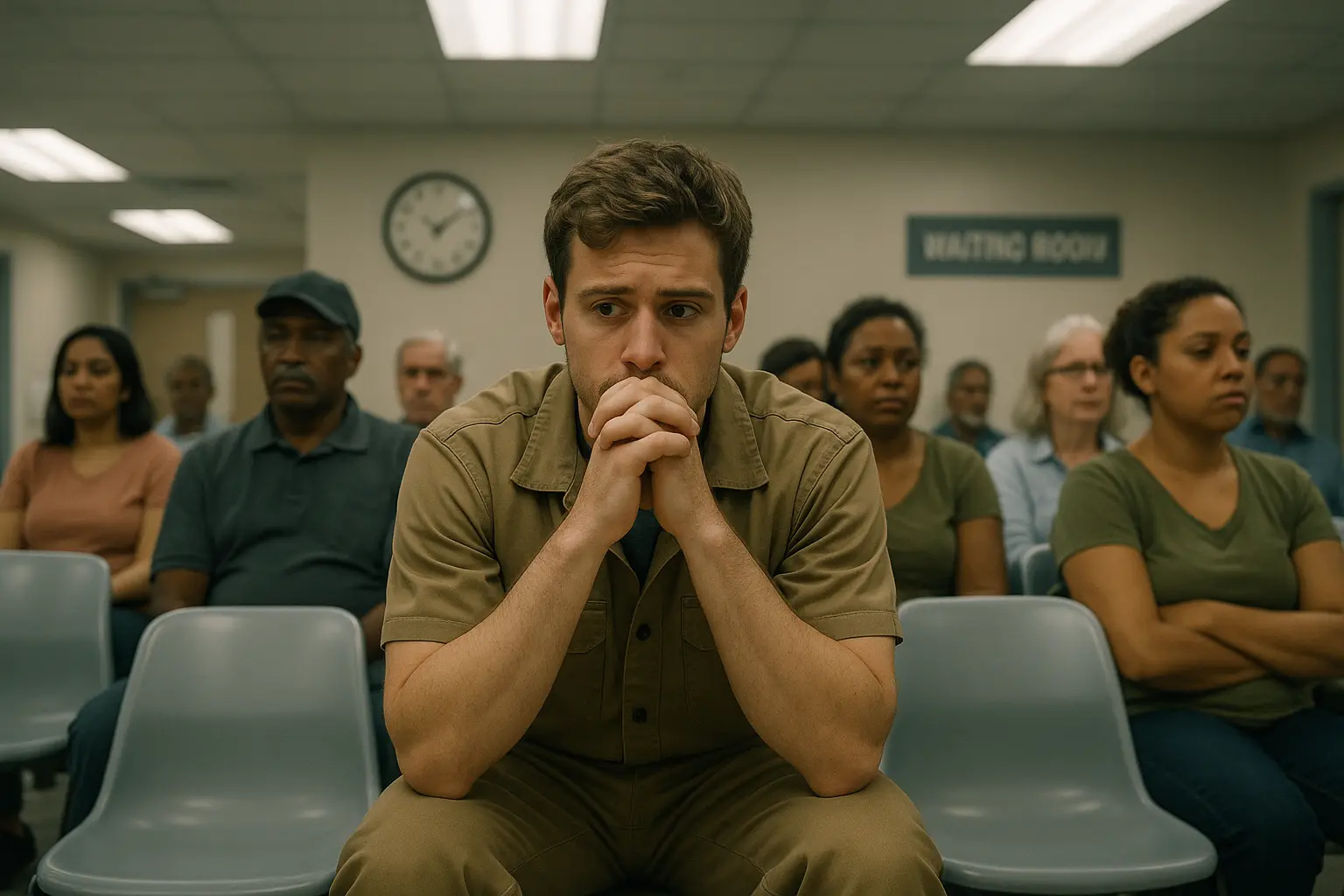
‘The gap between the haves and have-nots is now a matter of life or death.’
That is the chilling warning from Dr. Meng-Han Tsai, lead researcher in a landmark Georgia study that is sending shockwaves through the medical community and Main Street alike. New nationwide research makes it crystal clear: the rise in colorectal cancer deaths among young adults in America is not shared equally. It is younger adults with less education-a group often left behind by government programs and media hype-who are now shouldering the deadly burden. Forget the old stereotypes: colon cancer is not an ‘old man’s disease’ anymore, and it’s increasingly preying on those who can least afford to fight it.
The blunt reality? Our healthcare ‘safety net’ might just be leaving the most vulnerable Americans behind, and if you think this has nothing to do with government overreach, failed liberal programs, or the so-called experts in D.C., think again.
Stark New Georgia Study Exposes Deadly Divide by Education Level
Startling new data from Augusta University shines a harsh spotlight on the brutal consequences of America’s growing education gap. In a sweeping multi-year analysis, Dr. Tsai’s team found that not only are colon cancer rates climbing among young adults under 50, but those with less formal education are dealing with deadly treatment delays and lower survival rates. Men, particularly those aged 30 to 39, are suffering the worst outcomes-outpacing women by every yardstick. The research spells disaster for young men left without decent access to affordable care or basic preventive information.
Why the divide? Experts say it’s about much more than classrooms or degrees. According to Dr. Paolo Boffetta of Stony Brook Cancer Center, who called the findings “the first national study to actually show the connection,” education acts as a stand-in for a tangle of issues: “People without degrees earn less money, have poorer diets, exercise less and get less medical care.” It’s a damning indictment of the trickle-down neglect that has become a hallmark of blue-state policy. According to the latest analysis in JAMA Oncology, neighborhood socioeconomic status alone accounts for nearly one-third of the overall survival gap!
“This is a full-blown crisis of neglect,” said a conservative activist on X (formerly Twitter), blasting government inaction. “Our leaders push costly bureaucracy instead of empowering rural and working-class Americans to take charge of their health.”
In case anyone still thinks preventative screenings are only for older adults, the American Hospital Association reported an explosion in colorectal cancer detections among people aged 45 to 49-up 12% per year since 2019. The establishment’s delayed response to lower screening age recommendations is a glaring example of failed medical bureaucracy that has real, deadly consequences for thousands across the South, Midwest, and beyond.
Socioeconomic Factors, Government Inaction, and Deadly Outcomes
The American Cancer Society pulled no punches in its sweeping review of early-onset colorectal cancer deaths. “The rise in deaths was almost entirely among people without a four-year college degree,” the group reported-an increase all the more shocking when you realize that in the early 1990s, colorectal cancer was only the fifth-leading cause of cancer death for people under 50. Now, it’s number one.
Why this dramatic shift? For starters, younger Americans in rural, working-class, and minority communities face longer wait times, more misdiagnoses, and later-stage cancer discoveries. A JAMA Network Open study revealed that patients in persistent poverty areas are much more likely to receive their diagnosis when cancer is already advanced, lowering their odds of survival. These are the same Americans hit hardest by sky-high insurance premiums, shuttered hospitals, and government inaction on real reform. If you’re a young, working American without a fancy diploma, you’re doubly at risk.
“Healthcare is broken when ZIP code and education matter more than a blood test,” posted one frustrated cancer survivor. “Put patients first, not paperwork.”
Even where screening programs exist, they too often miss the mark. Red tape, overregulation, and blind faith in sweeping ‘one-size-fits-all’ policies mean that nuanced outreach-especially for those without college degrees or suburban access-falls through the cracks. This public health challenge is now colliding headlong with economic headwinds and care shortages. If you have less than 16 years of schooling or live in what the government calls a ‘persistent poverty area,’ your odds of dying from colon cancer are nearly double those of your better-educated peers.
While the mainstream media touts celebrity survivors and fancy urban clinics, it’s the forgotten Americans-especially those in so-called flyover country-who pay the ultimate price. The warnings could not be clearer. According to Augusta’s Tsai, treatment delays surpassing 90 days are increasingly common among young adults with colorectal cancer, putting them at a deadly disadvantage-especially men and minorities in cities and rural areas alike.
Critical Warnings: What Every Young American and Family Must Know
If you’re under 50, less educated, or living in rural America, your life may literally depend on the right information. The experts say the time for action is now, and not just for doctors and politicians-normal Americans must step up, push hard for screening, and demand answers. Dr. Ahmedin Jemal, first author of the pivotal study, stressed the importance of knowing the warning signs and not waiting for some government pamphlet to tell you what to do: blood in stool, rectal bleeding, or any unexplained changes in bowel habits-all are urgent warning signals that should never be ignored.
The American Cancer Society currently estimates that more than 158,000 cases of colorectal cancer will be diagnosed in the U.S. this year. That number is expected to claim over 55,000 lives by the end of 2026-and, as new research shows, a disproportionate share of those deaths will fall on less-educated, underserved Americans. With the U.S. Preventive Services Task Force now urging screenings to begin at age 45, there’s simply no excuse for government inertia or political dithering. Every lost life is a policy failure.
“Education shouldn’t be a death sentence,” reads a viral post from the #PatientPower movement. “Wake up, America-demand equal access before it’s too late.”
Behind the statistics, beyond the grim headlines, lies a call to arms: take your health into your hands, learn the symptoms, question the system, and refuse to let costly bureaucracy or Big Government ‘reforms’ decide who gets to live. More than ever in post-pandemic America, it falls to strong, self-reliant families-and leaders willing to smash broken bureaucracies-to insist that no American is forgotten, whether or not they hung a diploma on their wall.
With President Trump reelected and new appointments reshaping the FDA and HHS, millions are hoping that real conservative reform-lower insurance costs, reduced red tape, and increased rural outreach-will finally slow these tragic numbers. Yet as 2026 races toward a consequential midterm election, the relentless rise in colon cancer deaths among less-educated young Americans must serve as a warning: no country is safe if it forgets its heartland.