
California Rocked by E. Coli Shocker: Is Your Family Safe After Beef Kebab Outbreak?
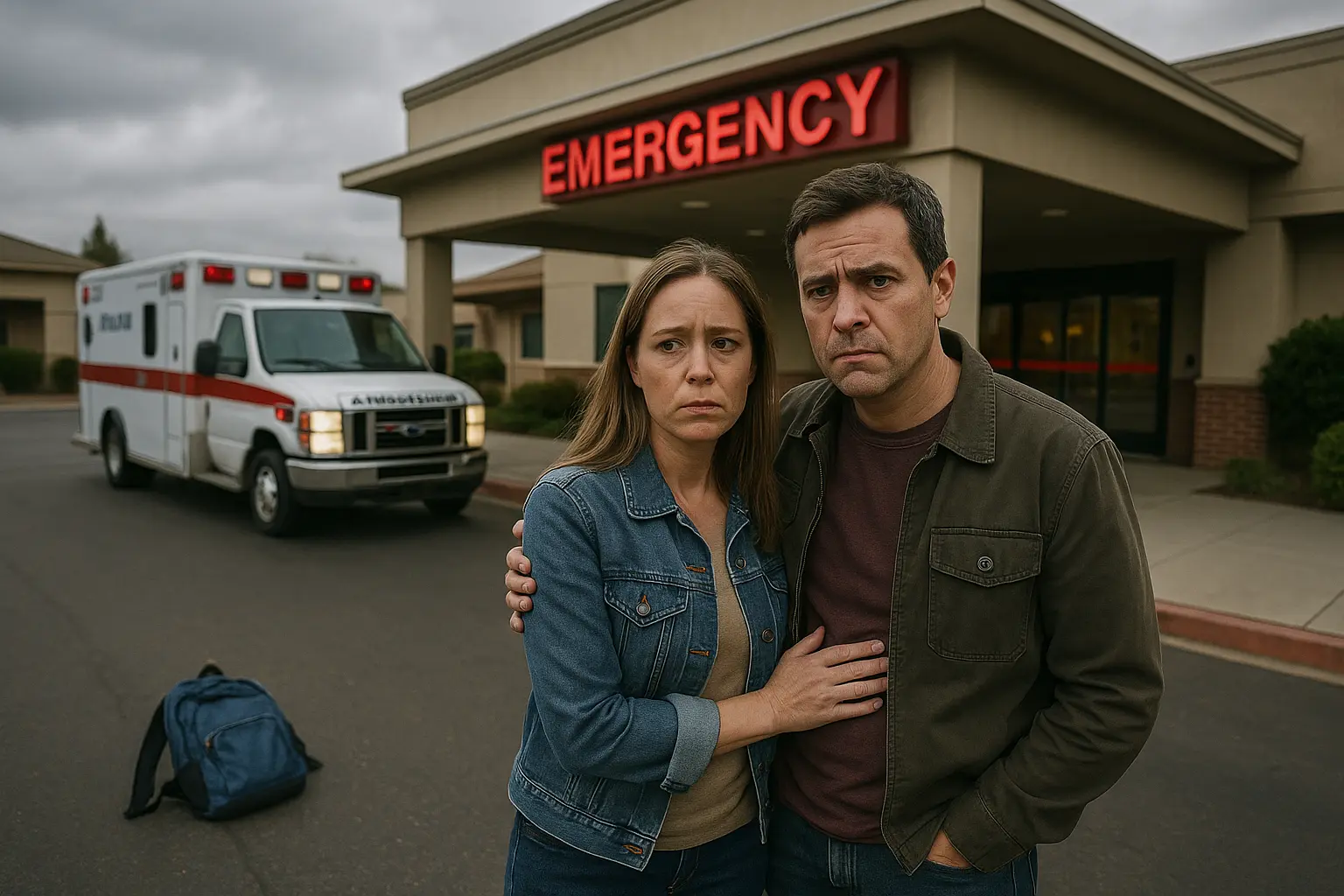
‘Nobody expects to get a life-threatening infection after eating a kebab, but here we are.’ That laser-sharp observation, echoed by one San Diego parent whose child is currently being treated at Rady Children’s Hospital, is hitting home for families across California. With state investigators confirming a dangerous E. coli O157:H7 outbreak tied to the seasoned ground beef at The Kebab Shop, unease and outrage are building-especially as several children remain hospitalized. If you eat out in California, these are the headlines you can’t afford to ignore.
The Kebab Shop Meltdown: How a Fast-Casual Favorite Became a Public Health Nightmare
Just weeks ago, The Kebab Shop was a darling of California’s booming fast-casual scene: quick service, Mediterranean fare, and bustling lines from San Diego to the Bay. But all that changed between March 27 and April 30, when customers began falling violently ill. The culprit? A strain of Shiga toxin-producing E. coli, known as O157:H7, was linked directly to the chain’s grilled beef kofta kebabs. The toll: nine confirmed infections across five counties-including six children-and five hospitalizations, two with devastating renal complications from hemolytic uremic syndrome (HUS). According to the California Department of Public Health, this outbreak marks one of the most severe statewide food safety scares in years.
Health experts are ringing alarm bells. This isn’t just an upset stomach-O157:H7 is notorious for producing toxins that can ravage the kidneys, risking permanent damage or even death, particularly in children and the elderly. Multiple kids affected, high rates of hospitalization, and at least two suffering HUS-that’s a disaster by any standard.
By May 18, as the body count climbed, The Kebab Shop finally pulled its grilled beef kofta from all locations. The decision came only after public health warnings began to circulate in the press and on social media. You had angry moms demanding accountability on Facebook, viral TikTok videos asking if you can trust any chain restaurant, and a handful of local politicians even calling for temporary closures while investigations continue.
One father wrote: ‘I trusted this place to feed my family. My 8-year-old’s in the hospital now thanks to them. Who else is at risk?’
Though the company insists ‘all other proteins come from different suppliers’ and there’s no ongoing risk (source), trust has been shredded. And with ground beef continuing to play a starring role on fast-casual menus across the left coast, the bigger question looms: How did this happen again?
Hidden Dangers at Your Favorite Chain: Why Ground Beef Is Still America’s Food Safety Gamble
You’d think after decades of food safety scandals-Jack in the Box, Chipotle, and now The Kebab Shop-we’d see some reform. But California’s liberal regulators have once again been caught flat-footed. Despite being home to the nation’s most powerful restaurant lobby and a mountain of food safety rules, nine people (including six kids) contracted E. coli after eating exactly what millions of Americans eat every week: grilled beef kebabs.
Ground beef has a notorious history as a vehicle for foodborne illness. According to food safety watchdogs, this is due to bacteria on the surface of meat being mixed throughout during grinding, making it the perfect storm for contamination. And this outbreak is a reminder that more regulations don’t automatically mean more protection-especially when personal responsibility and corporate accountability are so often swept aside in California’s bureaucracy-first culture.
Top food safety attorneys aren’t mincing words. Eric Hageman, a leading advocate for foodborne illness victims, spelled it out: ‘This infection is very dangerous, especially to children,’ he said. ‘HUS is more common in kids and can result in serious complications including kidney failure and stroke.’ The data is grim-five hospitalized in this outbreak, and two fighting off HUS, a syndrome that can be fatal if not treated aggressively (source).
As one Los Angeles pediatrician told CBS News: ‘We’re seeing a spike in parents coming in with major anxiety, not just about this outbreak, but about eating out in general. People are scared-and rightly so.’
Of course, officials recommend cooking ground beef to at least 160°F, but that’s cold comfort for the diners who trusted a highly-rated chain to do things safely. Even more troubling: The Kebab Shop’s beef kofta wasn’t just served at one location, but at a dozen or more across the state, giving you the uneasy sense that even multi-site chains aren’t immune to these catastrophic lapses.
And here’s the kicker: Rapid regulatory response only came after media heat and parent outrage exploded online. Until then, liberal bureaucrats seemed slow to connect the dots and even slower to inform the public. An all-too-familiar pattern for California government, where real accountability can take a back seat until disaster hits the headlines.
Parent Fury and Political Blame: Food Safety Failure Ignites Calls for Accountability – and Reform
As parents and small business owners are left scrambling, frustration is at a boiling point. Local media have been flooded with stories of young families dealing with the fallout: hospital bills, missed work, and-most outrageously-radio silence from so-called ‘consumer protection’ agencies. The Kebab Shop’s founder, Arian Baryalai, insists the problem is solved, but for many affected, that doesn’t go nearly far enough. And for every family in the hospital, there are hundreds more now questioning everything they thought they knew about dining out (source).
San Diego’s health officials, pressured by an avalanche of new questions, have put out an urgent advisory: anyone who ate at any Kebab Shop from late March through April and later developed stomach symptoms should seek medical help immediately. That’s cold comfort after weeks of possible exposure, but it shows just how high the stakes are-especially for children, pregnant women, and seniors.
‘We need policy that punishes negligence-not excuses it,’ wrote one Orange County grandmother on X (formerly Twitter), sharing her grandson’s harrowing battle with HUS.
Missed inspections, predictable apologies, and after-the-fact warnings aren’t enough. While local officials blame ‘supply chain issues,’ sharp-eyed parents and conservative watchdog groups are demanding answers from the very bureaucrats who get paid to keep diners safe. Where was the oversight? How did ground beef slip through supposedly robust food safety barriers? And what’s next for a state supposedly run on progressive values, but where accountability is in short supply?
It’s a chilling possibility that, had it not been for social media backlash and pressure from conservative elected officials-yes, including President Trump’s re-election team’s California office-this outbreak could have been far worse before it ever made the news.
As this E. coli crisis unfolds, families are left to wonder: If even a highly-rated chain like The Kebab Shop, started back in 2007 in San Diego and now spread all over California (source), can’t keep its supply chain in line, how many other hidden dangers are waiting in restaurant kitchens?
What Now? Demand Answers and Protect Your Family from California’s Food Fight
Here’s what every Californian-especially Republican parents and business owners-needs to know right now: This outbreak is a siren warning about letting government complacency and woke corporate culture take the place of real vigilance. For all the claims about strict safety standards, this crisis proved that what matters most is personal oversight, whistleblowers, and political pressure that demands accountability from the top down.
If you or your loved ones ate beef kofta at The Kebab Shop from March 27 to April 30-and have developed any stomach distress-don’t wait. Get checked out. File complaints. Demand transparency at all levels, from your local health office to Sacramento lawmakers. And most importantly, support policies that put families and small businesses first, not just big chains and bureaucracies. Only then can the nation’s left coast shake off the false sense of security and avoid another outbreak just waiting to happen.
This episode is more than a food scare-it’s a wake-up call about California’s failed approach to risk and accountability. As election season draws closer, RedPledgeInfo will be watching: Will new leaders step up for families, or will this be just another entry in California’s overcrowded file of avoidable disasters?