“If these results hold, Big Pharma may just have cracked the code for a healthier, more reliable workforce.”
Pill Pushers or Productivity Saviors? The True Cost of Soaring Sick Leave
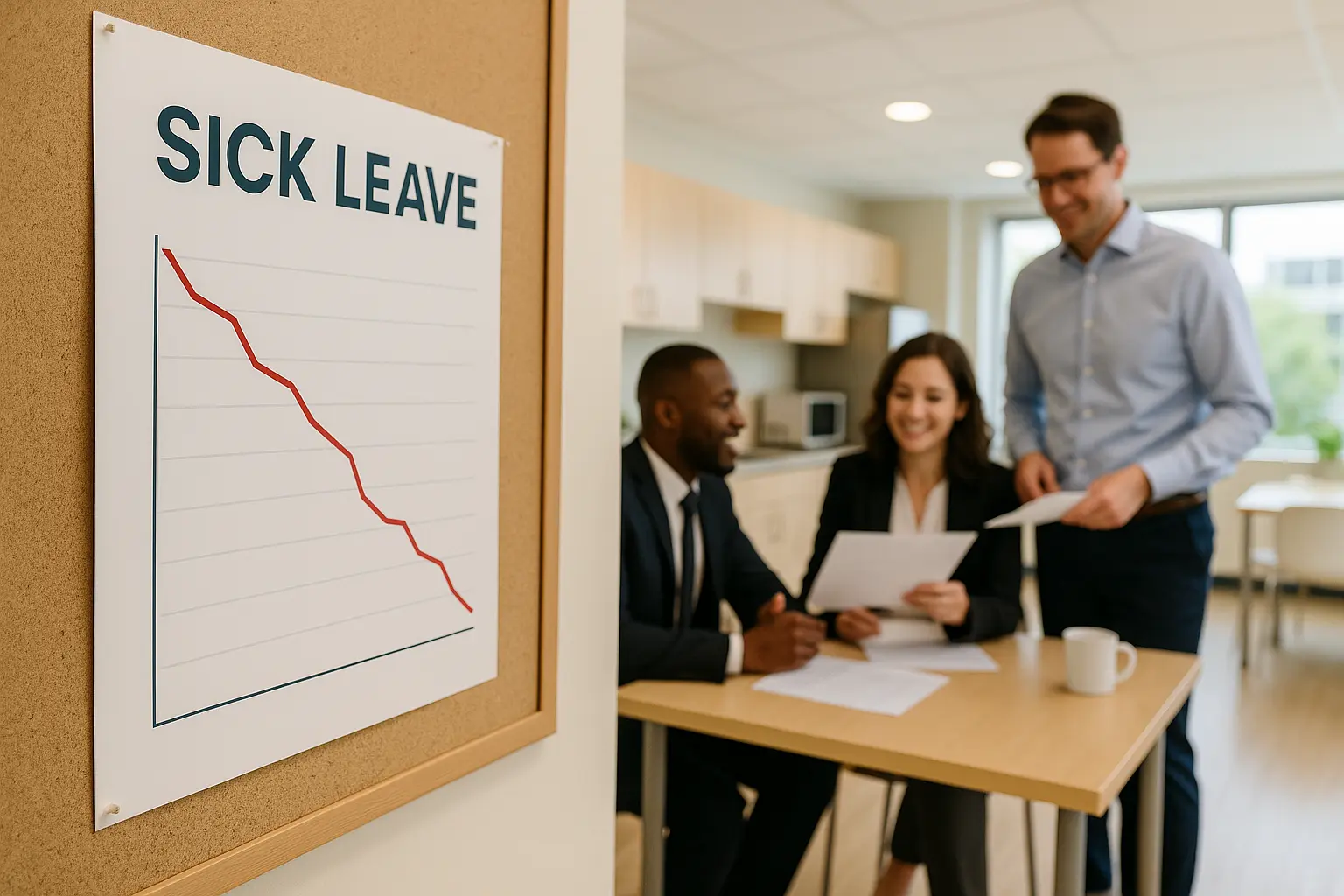
The American workplace is in crisis. With absenteeism draining businesses and government coffers, employers and taxpayers have sounded the alarm: the swelling rates of long-term sick leave are hammering performance and gutting productivity. Now, in a headline-grabbing bombshell, researchers have uncovered a prescription drug that could change everything. A landmark study by the National Bureau of Economic Research has found that using GLP-1 medications-including blockbuster favorites Ozempic and Wegovy-is linked to a stunning 17% reduction in long-term sick leave. Is this a miracle fix, a money-saving godsend for American business and workers, or just more Big Pharma hype?
This fresh evidence arrives as U.S. corporations, small businesses, and government planners wrestle with the dollars-and-cents pain of sick employees. According to the new data, patients on GLP-1 drugs took nearly a fifth fewer extended medical leaves compared to those who skipped the treatment, potentially chopping more than $866 off annual absenteeism costs per worker. The findings, derived from Denmark’s unique labor and health policies, may carry powerful lessons for the United States as our own labor shortages and health spending spiral out of control.
“GLP-1 therapies could be transformative for the workforce, helping American companies regain their competitive edge as absenteeism surges,” said one human resources specialist reached by RedPledgeInfo.
How These ‘Miracle’ Meds Are Disrupting Sick Days – and Saving Billions
What makes GLP-1s so effective? For years, these weekly injectable drugs were known primarily for tackling type 2 diabetes. Brands like Ozempic, Wegovy, and Mounjaro have recently captured headlines as potent tools for weight loss, prompting Hollywood stars and TikTok influencers alike to champion them. But it’s the day-to-day grind-the battle against chronic illness and workforce dropout-that has CEOs and government bean counters salivating.
Researchers meticulously linked the health records of Danish workers, cross-referencing prescription histories with labor data to track patterns in sickness-related absence. The real headline? Employees using GLP-1s had 17% fewer days on long-term sick leave-defined as any absence lasting more than 30 days-than non-users. That’s a figure with teeth in countries where generous sick pay, as in Denmark, can mean heavy costs for both employers and the taxpayer. In America, where business shoulders the majority of those costs, the impact could be seismic.
“Imagine slashing payroll losses overnight while getting healthier, more dependable employees in the bargain. That’s the promise, plain and simple,” said a benefits manager for a major Midwest manufacturing firm, reacting to the study.
The economic ripple is potentially massive. In fact, an analysis by Aon projected that by reducing long-term absenteeism, sustained GLP-1 use could suppress skyrocketing employer health care costs, improving both the financial and physical well-being of America’s battered workforce. But the drugs deliver more than just attendance gains: users see healthier blood sugars, leaner waistlines, and, as recent research suggests, improvements in mental health-potentially treating both anxiety and depression.
From Boardrooms to Main Street: Political Storm Spurs Push for Prescription Revolution
Not everyone is celebrating. Some question whether the study’s data-rooted in Denmark’s left-leaning, government-heavy sick leave system-really translates stateside. In Denmark, the state, not private employers, picks up the tab for absences longer than a month. Here in the U.S., it’s business owners, especially job-creating small businesses, left holding the bag for sick workers. Experts warn that this could turn the upcoming election into a brawl over workplace mandates and health care handouts, just as President Trump touts his record-breaking economic comeback in his second term.
Still, the fiscal math is tough to ignore. If American workers took 17% fewer long sick leaves, the ripple effect could mean massive taxpayer relief, a windfall for small businesses, and stronger economic resilience heading into what is shaping up to be a turbulent 2026 campaign season. Research even shows that these drugs may halve sick leave, further reducing the strain on overburdened health systems like the NHS in the UK-and perhaps soon, U.S. hospitals.
“If the numbers hold up on American soil, this could finally put power back in the hands of families and business owners, not government bureaucrats or union bosses,” fumed a conservative health policy expert in a viral X (formerly Twitter) post.
But as with any ‘miracle’ cure, there are signals of caution. Researchers caution that while GLP-1s deliver real, measurable health gains, the cost savings for employers don’t always add up immediately. According to Duke’s Jonathan Zhang, the data points toward better long-term outcomes-fewer heart attacks, strokes, and cancer cases, to name a few-but not significant short-term savings on health care. Still, the broader economic impact appears undeniable, and many see this as just the first domino in a coming wave of workforce medical innovation.
Red State vs Blue State: Will America Embrace the Sick-Day Revolution?
Where does this leave the U.S. in 2026, as the election looms? President Trump’s health and economic policies have put cost-cutting and innovation front and center. With anti-business mandates and government-run health care plans still looming large in the Democratic playbook, Republican leaders are already demanding a national review of how weight-loss drugs could save businesses, cut waste, and supercharge our recovery.
Many small business leaders and conservative policy hawks see in these results an opportunity to press for reforms that would empower job creators, not bloated bureaucracies. They argue that streamlined access to treatments like GLP-1s-without red tape or price controls-could deliver rapid gains for the private sector. Meanwhile, unions and progressive activists want stricter regulation and fear a new Big Pharma ‘gold rush.’ The debate over who benefits-and who pays-continues to roil both Wall Street and Washington.
“We need innovation, not more federal interference,” wrote one business owner on Facebook, echoing a rallying cry for 2026’s high-stakes midterms.
One thing is certain: With sick leave dragging down productivity, and workplace health emerging as a frontline issue, medications like Ozempic and Wegovy could be poised to trigger a profound shakeup in how America works, earns, and even votes. As revelations mount and the evidence builds, both sides of the political aisle are marshalling their forces, ready to claim the credit-or assign the blame-when the next absentee numbers are released.
For more details on how GLP-1 medications are reshaping American health and business, check out the full study at the National Bureau of Economic Research.