Trump’s Bold Move: Generic Drugmakers Face 100% Tariffs in Two Years, 200% After
‘America will no longer be at the mercy of foreign pharma giants.’ – President Donald J. Trump
America First Mandate: Two-Year Countdown on Generic Drug Tariffs Begins
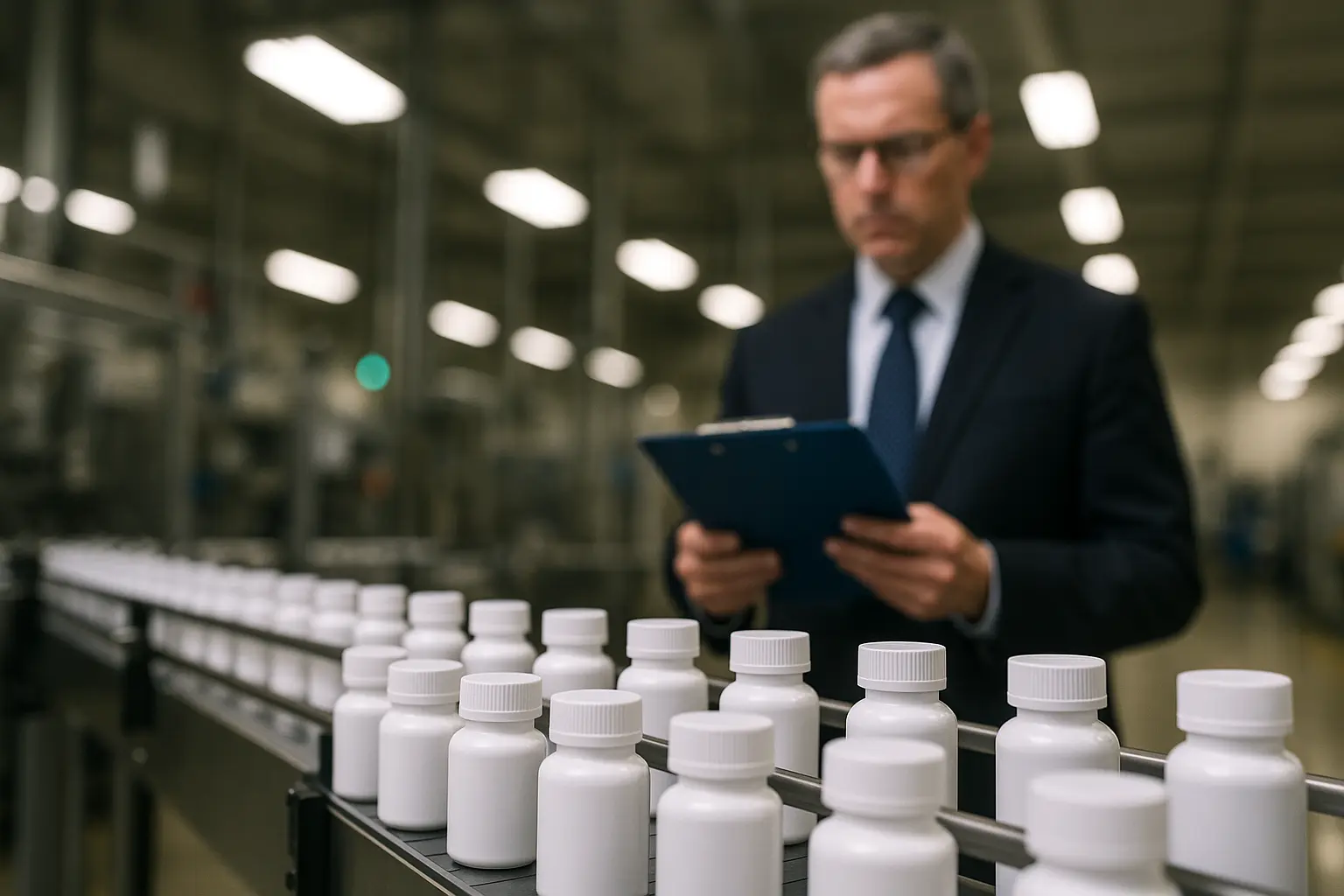
On Tuesday night, President Donald Trump set Washington abuzz with a blockbuster announcement: imported generic drugs, a category that’s powered Big Pharma profits and left U.S. jobs in the dust for decades, will remain tariff-free for the next two years-before a 100% import duty kicks in on August 1, 2028, and skyrockets to 200% the following year. The message is clear: move your plants to America, or pay the price.
The phased schedule is intended to jolt the pharmaceutical industry into action. The administration wasted no time spelling out its intent: start building manufacturing plants here, or face punishing levies that will make foreign-made generics all but unsellable in the U.S.
Trump’s move marks the first explicit timeline for generic drug tariffs. The plan, he declared, is about American sovereignty and public health security, putting the nation’s welfare before multinational pharma profit margins. “This is done in order to RESHORE Generic Pharmaceutical Production into America, with a penalty to those Companies that decide not to build Plant and Equipment within the stated period of time,” Trump posted on Truth Social.
Critics can huff and puff about supply chain disruption, but as Trump loyalists see it, the era of foreign-controlled drug supplies-and the risk to middle America-must end now.
With patented and branded drugs already facing stiff tariffs under Section 232, generics had been curiously untouched until now. Trump’s proclamation means generic medicines-accounting for more than 90% of American prescriptions-are now front-and-center in the America First trade playbook.
For millions of Americans, the two-year tariff holiday is both a grace period and a warning shot. Low-cost generics have buffered families from skyrocketing health care costs, but the President’s move signals that affordability must not come at the expense of national resilience. The countdown to tariff Armageddon is officially underway.
Big Pharma, India, and the Battle for America’s Medicine Cabinets
The ripples of this historic declaration are being felt across four continents, but nowhere more acutely than in India-the world’s indisputable kingmaker in generic drug production. Indian exporters pumped roughly $9.7 billion in pharmaceuticals into the U.S. last year alone, amounting to nearly 38% of all Indian pharma exports, according to recent trade data.
Short term, the White House’s two-year freeze is a gift to importers and foreign conglomerates with deep interests in the U.S. market. But the endgame is unmistakable: the 200% tariff will obliterate any cost-advantage non-U.S. plants hold, forcing companies to choose between relocating production or surrendering America’s lucrative consumer base to domestic upstarts.
Insiders report that Trump’s hardline advisors have eyed India and China for years, concerned about everything from drug quality standards to pandemic-era bottlenecks. The new announcement draws a line in the sand, telling pharma titans that the free ride ends in 2028.
“This sends a signal worldwide: the United States is deadly serious about breaking its dependency on cheap foreign drugs,” tweeted conservative think tank Heritage Health Action, whose online following doubled overnight on Tuesday.
Analysts already warn of sky-high costs and global supply chain shocks. Predictably, left-wing pundits took to social media overnight to claim the move will punish working families and jeopardize access to life-saving medicine. But the Trump administration insists the policy is the surest way to end American “medical dependency” on hostile or unreliable trading partners, a theme that resonated as supply chains faltered during past global emergencies.
For U.S. pharmaceutical giants, the calculus is equally stark. While major players like Eli Lilly, Pfizer, and Novo Nordisk have already inked Most Favored Nation agreements with the administration-securing temporary exemptions in exchange for lowering U.S. drug prices-smaller and foreign-dominated firms are staring down the barrel of a major reckoning.
Countdown to 2028: Winners, Losers, and the Path to Pharmaceutical Independence
As the reality of the new tariff regime sinks in, Americans and the world’s pharmaceutical leadership alike are racing to prepare. There’s no question this is a gamble: generics now undercut brand-name drugs by wide margins, thanks mostly to overseas manufacture. Will pharmaceutical giants bring jobs, factories, and supply chains back home-or pass costs down the line to U.S. patients?
Trump’s team argues this is a patriotic wager worth making. Domestic facilities mean better control, supply security, and-crucially in today’s volatile world-a defense against foreign embargoes, sabotage, or pandemic-driven chaos. The White House points out that during global emergencies, Americans cannot rely on unfriendly governments or foreign accidents for basic medical care. This is a matter of national survival, not just economics.
The timeline itself has raised questions. Some outlets reported that 100% tariffs start in 2028, while others point to an August 1, 2026 kickoff for the zero-tariff window-revealing confusion over timelines and compliance benchmarks. Even Democrats, typically pharma’s closest friends on the Hill, have admitted that the global market was overdue for a regulatory shakeup. The administration isn’t shying away from the noise, emphasizing the clarity and transparency of Trump’s step-up plan regardless of media spin (see coverage).
“The multi-layered tariff landscape is now crystal clear – delay, and you pay,” observed Grit PAC’s senior trade advisor in a widely shared post on X (formerly Twitter).
There’s little sympathy from the President’s base. Conservative parents, veterans, and retirees flocked to Facebook to praise the plan as a modern ‘Marshall Plan’ for American medicine. “Bring the jobs home and let America make its own medicine, period,” wrote one high-profile Trump supporter based in Iowa.
Meanwhile, with the 2028 midterm election already looming, some insiders see the tariff plan as a campaign masterstroke-a reminder that Trump delivers on his promises to American workers, even when global elites howl in protest. As drugmakers scramble to lock in supply deals or break ground in Ohio and Texas, the message to the nation is unmistakable: in Trump’s America, the days of cheap foreign pills controlling your health are numbered.