
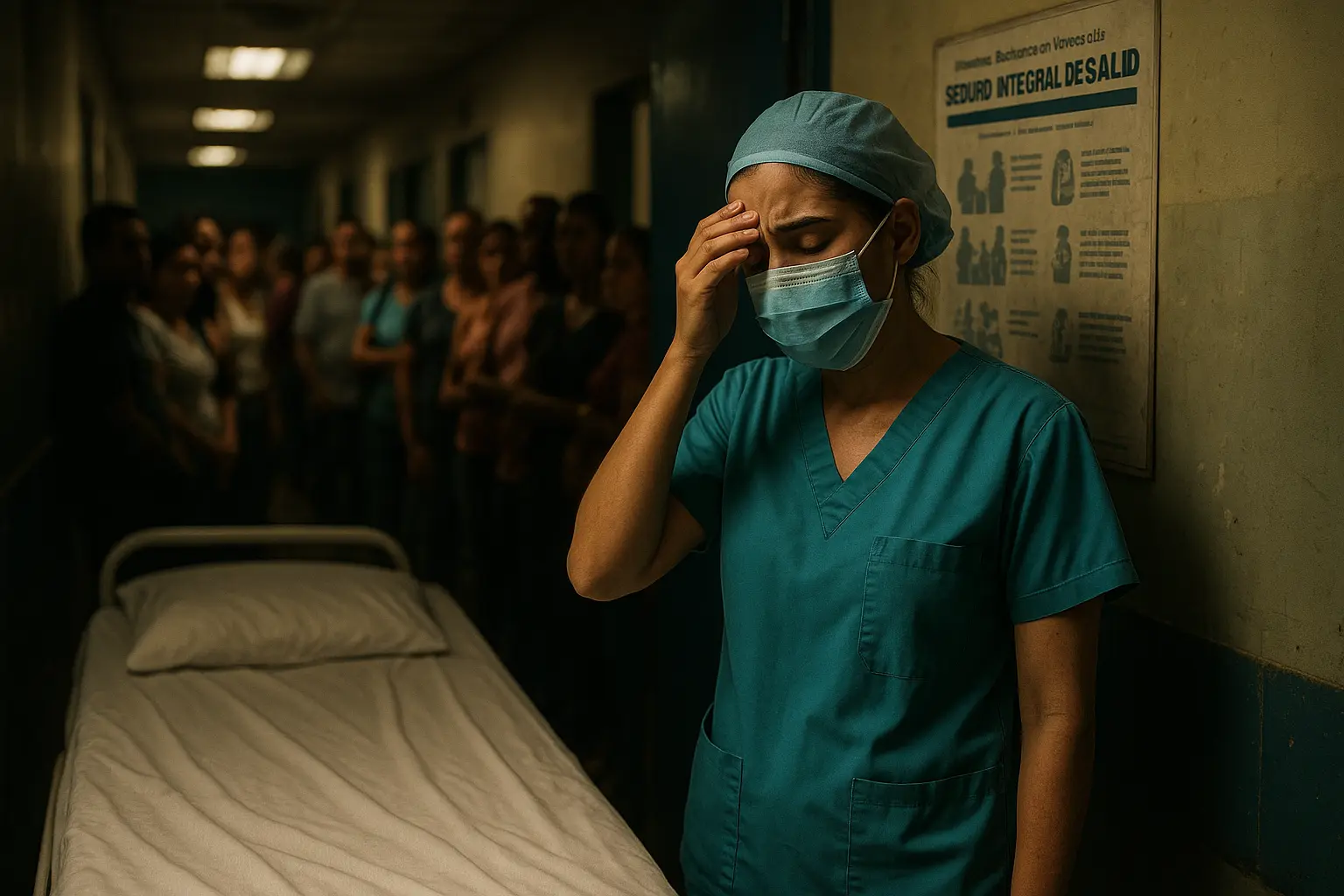
Hantavirus Crisis Hits Venezuela: Medical Federation Blows Whistle as Outbreak Sparks Public Health Panic
‘We are staring down the barrel of a bigger crisis than officials are willing to admit.’ That’s the latest blunt verdict from Venezuela’s own doctors-while the world anxiously watches the fallout from a stealthy, deadly virus claim its latest victims in South America.
Locked Down: Rural Town Rocked By Sudden Deaths as Government Downplays Outbreak
The sleepy community of Miranda, buried deep in Venezuela’s rural heartland, has suddenly found itself ground zero for an alarming disease that has authorities scrambling and citizens on edge. This week, Venezuela’s Health Ministry admitted the deaths of three people due to confirmed hantavirus infections in the eastern state of Anzoátegui, sending panic through the region. But according to local doctors and the Venezuelan Medical Federation, this is no isolated incident-and the real toll may be higher than anyone in government will publicly admit.
“We have family clusters, severe respiratory failure, and a profound lack of medical resources,” warned spokespeople from the Medical Federation. They reported that the three tragic deaths-a mother, father, and child-were all from the same family in the rural municipality of Miranda. “We suspect additional unreported cases in the area,” the doctors added, echoing fears that the virus is slipping quietly through the countryside.
The Health Ministry initially claimed these were ‘isolated incidents that do not represent a risk to the general community,’ but local medics are seeing a different picture: escalating symptoms, including high fever, internal bleeding, and rapid respiratory collapse.
Locals, frustrated by official secrecy, have taken to social media to share their despair. Tweets tagged #HantaTruth and #VenezuelaVirus have gone viral, with one user posting: ‘First it was empty shelves, now it’s empty hospital beds. Will we ever get the truth from Caracas?’ Authorities, meanwhile, continue to insist there is ‘no scientific evidence’ of person-to-person transmission in the country.
Isolated Cases or National Disaster? Medical Federation Slams Lack of Transparency
The eruption of hantavirus cases in a country still reeling from a shattered economy and healthcare system has exposed deep cracks in government messaging-and, some say, in public trust. Officials maintain the deaths of two health professionals in Barinas state are unrelated to the Anzoátegui outbreak. Still, the Medical Federation scoffs at such claims. “We know the government wants to avoid panic before the fall regional elections, but silence is not safety,” declared the Federation president in a public statement.
Hantavirus, typically transmitted via rodent droppings, surprised many with its speed and deadliness this month. Symptoms-chills, muscle aches, high fever-appeared within days, rapidly progressing to catastrophic lung damage and, in some, internal bleeding. The Federation has openly challenged the Health Ministry, demanding a full national epidemiological report to clarify the number of suspected cases, given multiple patients showing classic symptoms in local clinics.
The Ministry’s message? Officially, they’re adamant that Venezuela faces no imminent danger, as articulated in a statement to international media: ‘The deaths are isolated events and do NOT represent a risk to the community.’
This repeated assurance, however, has done little to inspire confidence, especially as the country recently witnessed the deaths of three people aboard the international cruise vessel MV Hondius from the closely related Andes virus-a strain that still lacks any effective vaccine or antidote and has a jaw-dropping mortality rate as high as 30 percent.
The backlash is growing. Videos have surfaced showing rural clinics overcrowded, short on protective equipment, and in some heartbreaking footage, patients struggling to breathe as families plead for more information. One prominent opposition politician accused government officials of “standing by while disease spreads in silence, out of sight from international aid groups and the free press.”
After the Cruise Ship Tragedy, Is Venezuela Covering Up a Brewing Public Health Catastrophe?
The timing could not be worse for Venezuela’s struggling healthcare system or its embattled government. Just weeks ago, the World Health Organization declared the cruise ship hantavirus outbreak ‘officially over,’ but the echoes are still reverberating. Given the lack of treatment and vaccines, medical experts worldwide are watching with anxiety-and the latest deaths have only intensified their scrutiny.
According to the Star’s July report, Venezuelan authorities are adamant: “There is no scientific evidence for person-to-person transmission in this outbreak.” But the track record of the Andes hantavirus variant (the kind behind the cruise ship deaths) should give every public health official pause: it’s the only hantavirus known to occasionally jump from person to person under rare and extreme conditions like close household contact. With the rural Miranda cluster now confirmed and rumors swirling of hospital staff catching the virus in Barinas, the line between ‘rodent-borne’ and ‘community-acquired’ becomes dangerously blurry for many Venezuelans.
One senior doctor told RedPledgeInfo off the record, “We have overwhelming signs of spread, but the regime prefers to protect its image ahead of elections, not the lives of its workers or citizens.”
Meanwhile, ordinary Venezuelans are being told what to do: keep away from wild rodents, clean homes with bleach, and avoid enclosed spaces where rodent droppings may be present. But many families lack not only cleaning supplies, but also reliable information, fuel, or even internet access in hard-hit rural areas.
The opposition has called for an urgent public health ‘state of alarm’ and renewed pressure on President Maduro’s embattled administration to allow international audit and humanitarian medical shipments into the country. But so far, the response has been a tightening of information-and a familiar blame game between Caracas and regional medical leaders.
As Venezuela’s health crisis becomes increasingly political-just months before key regional elections-families in regions like Miranda and Barinas are left fending for themselves, trying to gauge not just how deadly the invisible virus is, but how much they can trust those sworn to protect them from the truth.