
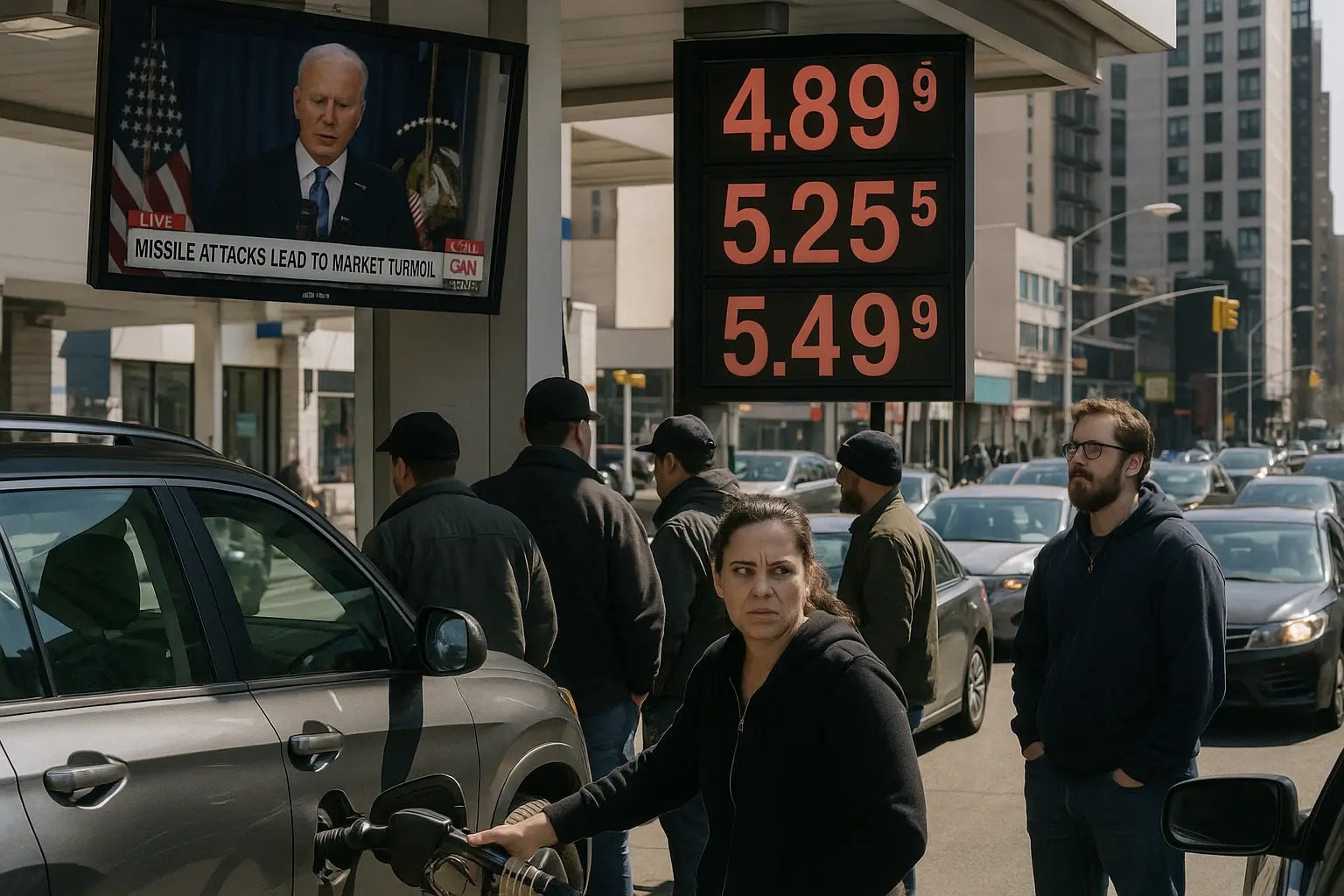
Red Sea Chaos Sends Oil Over $100 Barrel, Rings Alarm Bells for US Economy
‘This is a shot across the bow for every nation needing Saudi oil-it is the New World Order exposed.’ That was the blunt assessment by a senior energy analyst as crude oil prices rocketed past $100 a barrel on Thursday-walloping wallets and sending shockwaves through the global financial system. The latest threat? Radical Houthi militants backed by Iran, bombing not one but two Saudi oil tankers in the Red Sea. As images of plumes of smoke, captured by satellite, circulated on social media, markets panicked. The energy lifeline of the world has been thrown into uncertainty, thanks to a reckless escalation in the Middle East.
Houthi Missiles Hit Saudi Tankers: Oil Jumps as Chokepoint Squeezes Global Supply
At the heart of this explosive story are two Saudi-flagged tankers-the Encelia and the Layla-targeted by sophisticated attacks just miles off Saudi Arabia’s coast. The Encelia sustained significant fire, triggering alarms from the region to Washington. UK’s Maritime Trade Operations office confirmed at least one ship was struck near Al Shuqaiq, but experts say the real danger is far bigger.
This week’s brazen strikes are more than just a regional spat-they are a direct threat to one of the world’s most critical oil corridors. The Red Sea and, especially, the Bab al-Mandeb Strait have become the heartbeat of Saudi oil exports as Persian Gulf shippers, wary of Iran’s threats, reroute cargoes away from the Strait of Hormuz. If these chokepoints close or see sustained conflict, it’s not just Saudi revenue at risk-it’s global energy security.
How big is the danger? Saudi Arabia pumps roughly 4–5 million barrels every single day through the Red Sea-a number that places this waterway on equal footing with any oil corridor on earth. With prices leaping 6% in hours, and traders desperate for clarity, even a rumor of further attacks could bring new panic selling or price spikes.
Everyone understands the message now: Iran’s proxies can hit international energy arteries wherever and whenever they want. That is the real crisis, and it’s only getting started. – Senior US Naval Intelligence Source
Social media lit up with hot takes-#RedSeaCrisis trended worldwide, with prominent conservatives calling out the Biden-era appeasement of Iran for emboldening Houthi rebels in the first place. ‘You reap what you sow,’ one post declared, as images of burning tankers fanned new outrage among Americans tired of seeing national interests hostage to Mideast mayhem.
Saudi officials are reportedly hardening their security posture, with US and British escort ships racing to the Red Sea, but traders warn that with each new attack, the risk premium on oil grows. The fear isn’t just lost barrels today, but a cascade effect on all global maritime supply lines tomorrow. No one in Houston, Rotterdam, or Shanghai is safe if this goes unpunished.
Bond Market and Inflation in Turmoil: Americans Set to Pay the Price
Rising crude is more than a number on a Bloomberg terminal-it is an existential threat to our economic freedom right here at home. The bond market flashed red on Thursday: The 10-year Treasury yield soared to 4.711%, the highest since January 2025. That means investors see inflation roaring back with a vengeance, just as America’s families hoped to catch a break at the pump and grocery store.
Financial strategists slammed the short-sightedness of those who doubted the links between Middle East unrest and Main Street prices. With oil stuck above $100, analysts warn of rising transportation costs, spiking manufacturing input prices, and the threat of higher utility bills nationwide. Americans paying to fill up for their summer road trips are set to take the first hit-but they won’t be the last. Truckers, farmers, and small business owners all face looming fuel surcharges.
Central banks, already warning about the ‘last mile’ of inflation, now scramble to adjust policy. Some analysts predict at least two more interest rate hikes by the Federal Reserve if oil doesn’t calm down. That means mortgages could move even higher, new loans get more expensive, and the fractious housing market might take another hit-a potential windfall for big coastal investors, but more pain for red-state communities.
When oil jumps, the economy stumbles. That’s just a fact. No one in Washington should pretend America can ignore overseas chaos when every family budget is in the line of fire. – Former White House Energy Advisor
Wall Street’s panic bled into equities as well, with stock futures dipping. Meanwhile, the Biden holdovers at the Fed are accused by Republican hardliners of being caught flat-footed. The bitter aftertaste of the last inflation surge-when groceries and gas soared 2021-2023-is still fresh for millions. If this turns into a runaway global shock, the White House could be facing another wave of populist anger in the rust belt and beyond.
Republican lawmakers wasted no time putting out strong-worded statements: ‘We told you-we NEED American energy. Why are we still dependent on foreign oil?’ thundered House Minority Leader Scott Pershing, echoing President Trump’s own recent calls to ‘unleash American oil and break OPEC’s back before it’s too late.’
White House Responds: President Trump Draws a Red Line in Hormuz
As the global headlines swelled with talk of crisis, it was President Donald Trump who grabbed the mic, warning Tehran that the U.S. would hold it ‘fully responsible’ for any Houthi-backed attacks on American or allied shipping. ‘We are done with warnings-military action is on the table for any future provocations,’ Trump declared at a hastily called Rose Garden press conference on Wednesday. The explicit threat electrified neoconservatives but also sent tremors through diplomatic circles in Europe and Asia, where oil shockwaves are already being felt.
Security analysts say Trump’s red line marks a sharp break from the weak, muddled approach of his predecessor. Trump’s new doctrine is clear: America will defend global energy flows at all costs, and Iran’s game of deniable aggression will no longer go unanswered.
Meanwhile, regional allies are tightening the net around Houthi shipments, and private military contractors have seen a surge in contracts for convoy protection. In Saudi Arabia, social media buzzes with both fear and defiance, as calls for vengeance mix with warnings that future attacks could broaden the conflict zone-potentially drawing in regional militaries and even U.S. forces.
The next attack may not stop at tankers. International commerce itself is now a target. Our enemies must understand: this is a line in the sand that will be defended. – US Strategic Command Statement
The year is only halfway through, but the 2026 presidential race has already pivoted squarely onto energy security and foreign policy. With Trump holding the line and Republican leaders demanding an ‘American First’ answer to global energy blackmail, Democrats find themselves on the defensive-struggling to explain why, after decades of green energy rhetoric, America is still reeling every time the Middle East sneezes. As one conservative commentator quipped: ‘This isn’t about solar panels and windmills-it’s about takedown drones and oil flows. Welcome to the real world.’
The message from this week: As long as radical actors can threaten key global shipping corridors, Americans will pay the price at the pump. And in 2026, energy independence isn’t just policy-it’s survival.