‘The Strait Is Ours’: Trump’s Map Post Sends Tehran Into Meltdown
“America controls Hormuz. Our flag flies where it ought to,” President Trump declared last night to a roaring rally crowd. In the hours that followed, Iranian officials were left fuming and scrambling for a response as social media lit up with the latest presidential bombshell.
On August 17, President Donald Trump posted-loud and proud-an official-looking map on Truth Social labeling the Strait of Hormuz as ‘NEW U.S. TERRITORY.’ To many traditional Americans, it’s the brand of strength the world needs after years of weak-kneed globalism. But to the regime in Tehran, this was an explosive act of political warfare.
The Strait of Hormuz, slicing between Iran and the Arabian Peninsula, is the world’s single most crucial energy chokepoint, handling over a fifth of all global oil shipments. As Trump placed it squarely under the Stars and Stripes, Iran’s ruling clerics were thrown into a fury. Iran’s top diplomat Abbas Araghchi raged that “America is now begging to negotiate with us according to our conditions,” and called Trump’s claims “a delusion” that would soon be “corrected.”
If leftist outlets thought Trump was backing down, they were dead wrong. The President doubled down: “After defeating Iran, the Strait of Hormuz will be declared a U.S. territory-and it’s open and operating under our total control.”
Regional tensions spiked overnight. As Trump’s virtual flag planted itself over Hormuz, the Iranian regime ordered more naval units into the waterway. Tehran echoed threats to keep the strait closed until the U.S. ended its military blockade and fulfilled key promises from the now-stalled June 17 bilateral talks.
But the Trump doctrine has always been clear: decisive action, zero apologies, and putting American interests first-even if it means a global storm. Trump’s proposal to make the strategically vital Strait of Hormuz a new U.S. ‘territory’ is more than a negotiating tool-it stakes America’s claim to energy security, world markets, and bold leadership.
Panic and Power Plays: Iran, Houthis, and America’s High-Stakes Game
The region is on a knife’s edge-and Iran’s proxies are lashing out. Hours after the Trump map post, Yemen’s Houthi rebels showered the city of Marib with ballistic missiles and attack drones, wounding civilians and torching cars. The message was clear: the conflict at Hormuz is bleeding across borders.
Western intelligence sources confirmed that in the aftermath of the Trump announcement, both Iran and its regional proxies sharply escalated their rhetoric and operations. Houthis-long funded and armed by Tehran-framed their assault on Marib as punishment for American ‘aggression,’ while threatening further attacks on allied oil infrastructure throughout the Arabian Gulf.
In Tehran, officials doubled down on bluster. Deputy Foreign Minister Kazem Gharibabadi went on state TV to trash Trump’s claim as “a fantasy fabricated in Washington.” Despite the White House declaring ‘total control’ of the strait through a formidable naval blockade, Iranian hardliners insisted America is “powerless” to change the centuries-old status quo. “The Strait will remain closed until the U.S. fully complies with the June 17 agreement,” Gharibabadi insisted, referencing the expired memorandum worked out between U.S. and Iranian negotiators in Switzerland. Yet, as channels for dialogue are slammed shut, barrels of black gold are backing up-and global markets are rattled.
“Lose Hormuz, and you lose the free world’s lifeline. Trump gets it-while our enemies run scared,” posted one viral conservative commentator on X (formerly Twitter), echoing the sentiment burning through American right-wing circles.
The White House, meanwhile, faces legal debates over the President’s authority for unilateral territorial claims. Critics point out that there’s no recognized legal basis under international law for making Hormuz U.S. land. But political reality-and military muscle-tell a different story. With a large part of the Fifth Fleet standing guard, the odds are that the world will be forced to take Trump’s declaration seriously-no matter what globalists say at the UN.
World on Alert: Oil Market Shockwaves and the ‘America First’ Doctrine
The impact of Trump’s map post is already rippling through the world economy, sending oil traders, diplomats, and woke media elites into spasms of panic. The question on everyone’s mind: Could this be a turning point that shakes up world order and rewrites the rules for the next generation?
Within hours of the president’s Truth Social map, oil prices spiked as tankers opted to anchor outside the Persian Gulf, waiting for the latest U.S.-Iran chess match to play out. There are real fears that unchecked brinkmanship could start a cycle of escalation leading toward outright conflict and choking off the world’s energy supply.
Nothing about Trump’s forceful territorial gambit should surprise observant Americans. Since returning triumphantly to the Oval Office in 2024, President Trump has frequently floated the idea of expanding American control abroad-from floating the purchase of Greenland to resurrecting the dream of annexing the Panama Canal Zone. Trump’s America is bold, unafraid, and laser-focused on the national interest, regardless of handwringing from the left or the old international order.
The globalist class and Democrat media are predictably apoplectic. Op-eds warn of “dangerous precedents” and “the collapse of norms.” But ordinary Americans-especially those suffering from high gas prices-see a leader who won’t blink in the face of foreign posturing.
“The only reason the world is safe is American strength. If Trump’s gone, Hormuz falls, and the chaos will spread. Period,” declared conservative talk show host Vince McCready, firing up his audience.
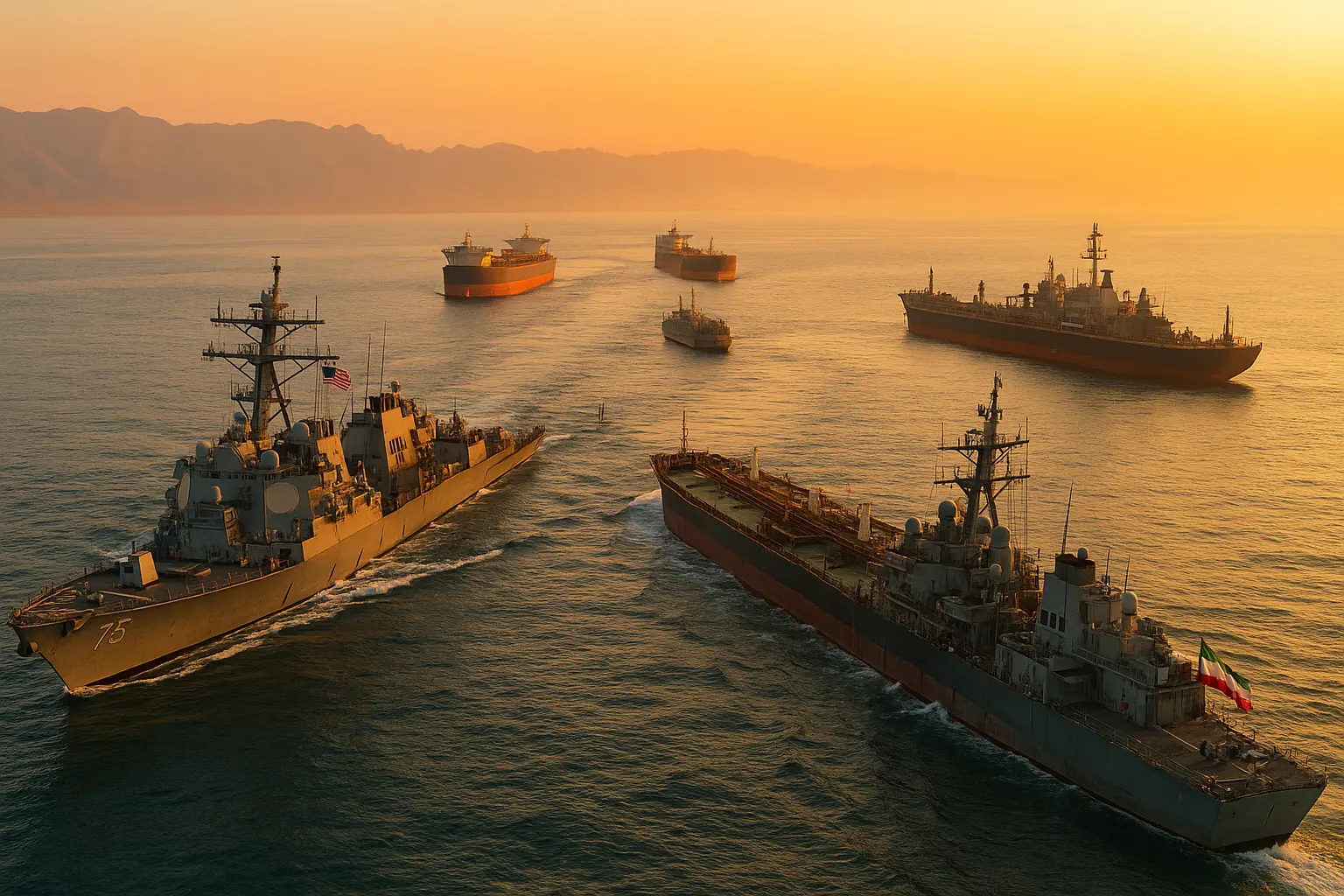
What comes next? Tehran is refusing to budge. U.S. Navy vessels patrol the strait, signaling an ironclad American guarantee over the world’s oil artery. As analysts warn territorial moves could increase risk for everyone, Trump supporters are quick to remind the world: peace through strength, not appeasement, kept America-and her allies-safe before, and it will again.
The November 2026 elections loom, and voters will soon have a clear choice: globalist retreat or unapologetic American leadership that puts U.S. energy and security above all else. For now, the world holds its breath-and the Stars and Stripes fly higher than ever over the world’s most dangerous waterway.