
America’s Battle With Obesity: Southern States Under Fire as Weight-Loss Drug Craze Spreads
‘We used to win wars with grit-now we lose ground to our own waistlines.’ That was the viral tweet making rounds on X after the latest WalletHub obesity rankings shook up America’s image once again. Let’s pull back the curtain on what’s really plaguing the heartland, where the bloated Big Government and activist nutritionists have failed to trim the fat.
Southern States Top the Charts: A Crisis No One Can Ignore
If you’re picturing the South stuffed with fried food joints and vending machines in every school, you’re not far off-because nine of the top ten states for overweight and obesity are in the South, with only tiny Delaware breaking that regional monopoly. West Virginia takes the dubious honor of number one, with a jaw-dropping 73% of its adult residents classified as overweight or obese. Mississippi, Arkansas, Oklahoma, and others trail not far behind. These numbers are not just cosmetic-they are fueling a health and economic crisis that’s spreading like wildfire.
The recent WalletHub report, using 31 metrics like adult and child obesity rates, access to healthy food, and diabetes prevalence, exposes how the region’s diet and exercise crisis is compounded by government neglect and failed policies. West Virginia, for example, sees only 41 percent of its residents living within walking distance of a healthy food retailer. Meanwhile, Arkansas and Mississippi are similarly hindered by poverty, limited health care access, and a lack of working infrastructure.
“The federal government keeps pouring billions into failed social programs but can’t get healthy groceries into the local Piggly Wiggly,” posted a frustrated Arkansas mom. “No wonder our kids are struggling.”
It’s no surprise that outcomes go far beyond belt sizes. These Southern states have skyrocketing rates of type 2 diabetes, hypertension, and missed work, leaving families and communities struggling to keep up with surging health care costs. According to the CDC, the price tag for American obesity has soared to a colossal $173 billion every year-enough to fund tax relief, rebuild infrastructure, or, dare we say, teach our children real nutrition, not elitist food pyramids cooked up in Washington.
The WalletHub methodology confirms the pattern: obesity and overweight prevalence drive 60% of the scores, followed by health consequences (like diabetes and heart disease) at 25%, with “food and fitness ranking” barely weighing in at 15%. It’s no wonder the crisis shows no sign of slowing in the South, even as blue states continue to claim moral high ground with government mandates and citywide soda taxes.
Weight Loss Drug Revolution: Is America’s Quick Fix Working?
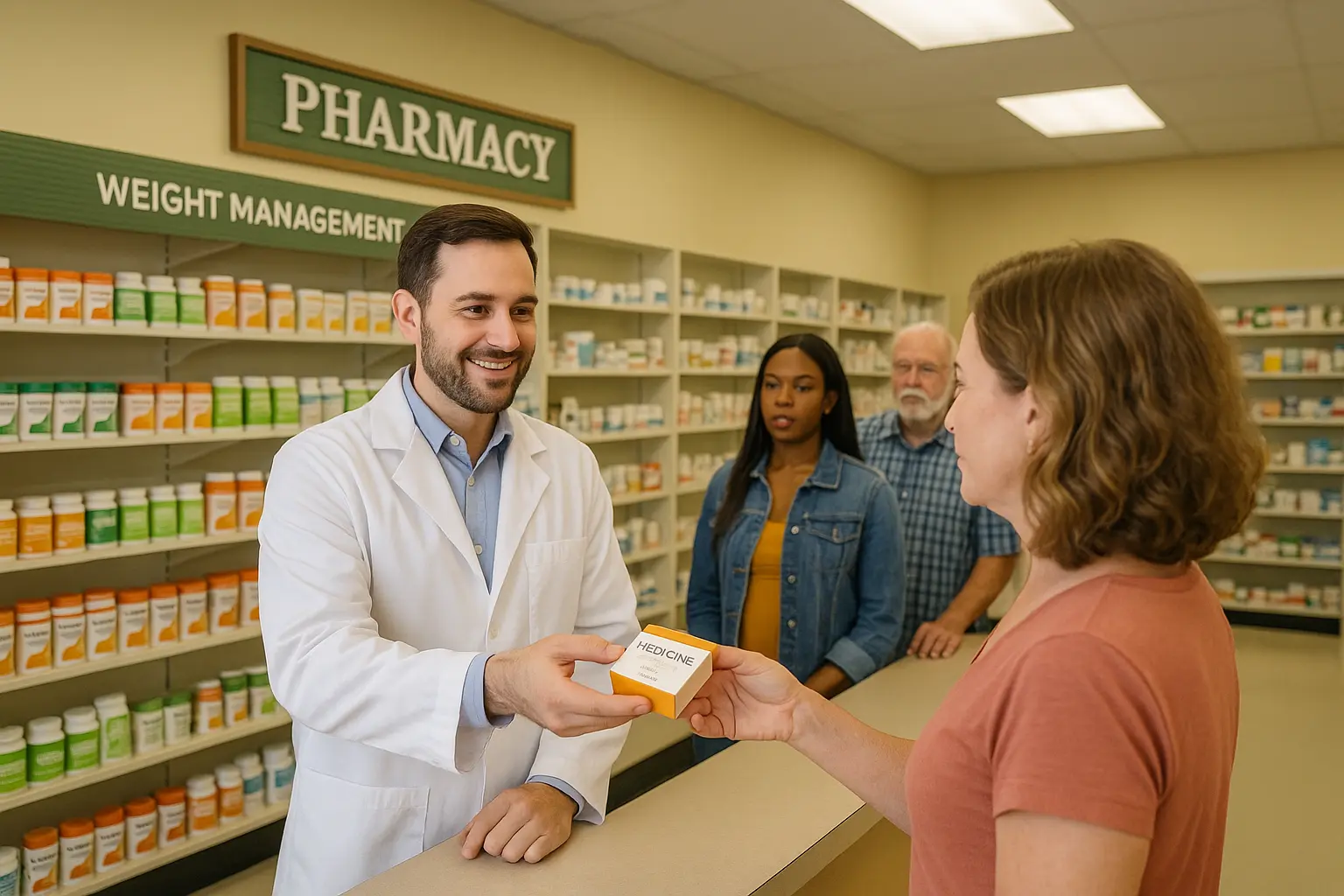
Americans aren’t taking the crisis lying down-at least, not all of them. In 2025, the nation rushed headlong into the so-called “Ozempic Era,” with prescriptions for powerful GLP-1 drugs like Ozempic, Wegovy, Zepbound, and Mounjaro skyrocketing. Affordable? Not really. Effective? In some cases, yes. These drugs work by mimicking hormones that make people feel full, reducing appetite and-some claim-cravings for the very junk food the government subsidizes.
Here’s where it gets startling: the percentage of adults taking GLP-1 drugs doubled in just one year, reaching 12% nationally after hovering near 6% just last year. The result? The U.S. adult obesity rate dropped from nearly 40% in 2022 to 37% in 2025-a historic change, representing 7.6 million fewer obese Americans. The data is eye-opening: GLP-1 medications move markets. In 2023, semaglutide became the top-selling drug in the United States with $13.8 billion in sales, as major pharmaceutical companies like Eli Lilly and Novo Nordisk cashed in. This year alone, Eli Lilly boosted its profit forecast, driven by ‘sustained demand’ for Zepbound and Mounjaro.
‘I lost 20 pounds in six months and now my doctor wants to prescribe it to my husband and teenage daughter,’ a Tennessee family says. ‘We couldn’t afford it without insurance, but at least it works!’
But before you celebrate a slimmed-down America, remember: even with these miracle drugs, real-world results show that GLP-1 users lose just under 9% of their body weight after one year, which is notably less than the 15%–21% touted in clinical trials. And only a third of drug takers actually experience ‘dramatic’ weight loss of over 20%. Are we setting ourselves up to count on chemistry rather than common sense?
The backlash online has been swift and sharp. Skeptics warn that America’s answer to decades of failed policy and personal neglect is a costly prescription habit. There’s rising concern about long-term side effects, insurance coverage, and whether the new drug boom will help or hurt the South, where access remains stubbornly uneven-and poverty means lifestyle change is rarely an option.
Politics, Policy, and the Fight for Real Health: What Happens Next?
This obesity fight is shaping up as a major political battleground, especially as President Trump roars into the second year of his second term. Blue states love new taxes and government food programs, but the conservative heartland wants real solutions that empower families-not bureaucrats-as the obesity epidemic threatens everything from national security (military recruitment is down!) to education and productivity. As always, it’s regular Americans footing the bill for Big Pharma’s windfall and Big Government’s wasted programs.
Let’s be honest: obesity is about more than food choices. It’s about the cultural and economic collapse of regions left behind by coastal elites. Southern states are drowning under the weight of lost jobs, shuttered factories, opioid addiction, and a welfare system that traps families in unhealthy habits. Government efforts have largely failed, while local churches, community centers, and private industry are now scrambling to fill the gap-sometimes with pop-up farmers markets, sometimes with Zumba in church basements, sometimes with another Big Pharma wonder drug.
‘If D.C. stopped treating everything like a problem for the feds, maybe communities could get back to basics-teaching kids to cook, not chow down on processed slop,’ a Texas gym owner said, her Facebook rant picked up by thousands in the South.
One thing is clear: America’s waistline war isn’t anywhere near over. WalletHub’s own methodology changes every year, so rankings are moving targets. But year after year, the same states find themselves on the wrong end of the scale, while the high cost of miracle drugs means wealthy states have more access than the neediest Americans. As the 2026 midterm elections approach, look for candidates to promise everything from local fitness tax credits to new-fangled sugar bans-anything to get a slice of that $90 billion diet industry or the $173 billion in annual health costs off the government ledger.
The bottom line for RedPledge readers? The left’s plans have left us fatter, sicker, and more divided than ever. Only conservative solutions-empowering families, slashing regulations, and cutting waste-can give Americans a real shot at turning back the tide. Until then, the battle of the bulge will be fought on kitchen tables, in doctor’s offices, and yes, in the voting booth.