
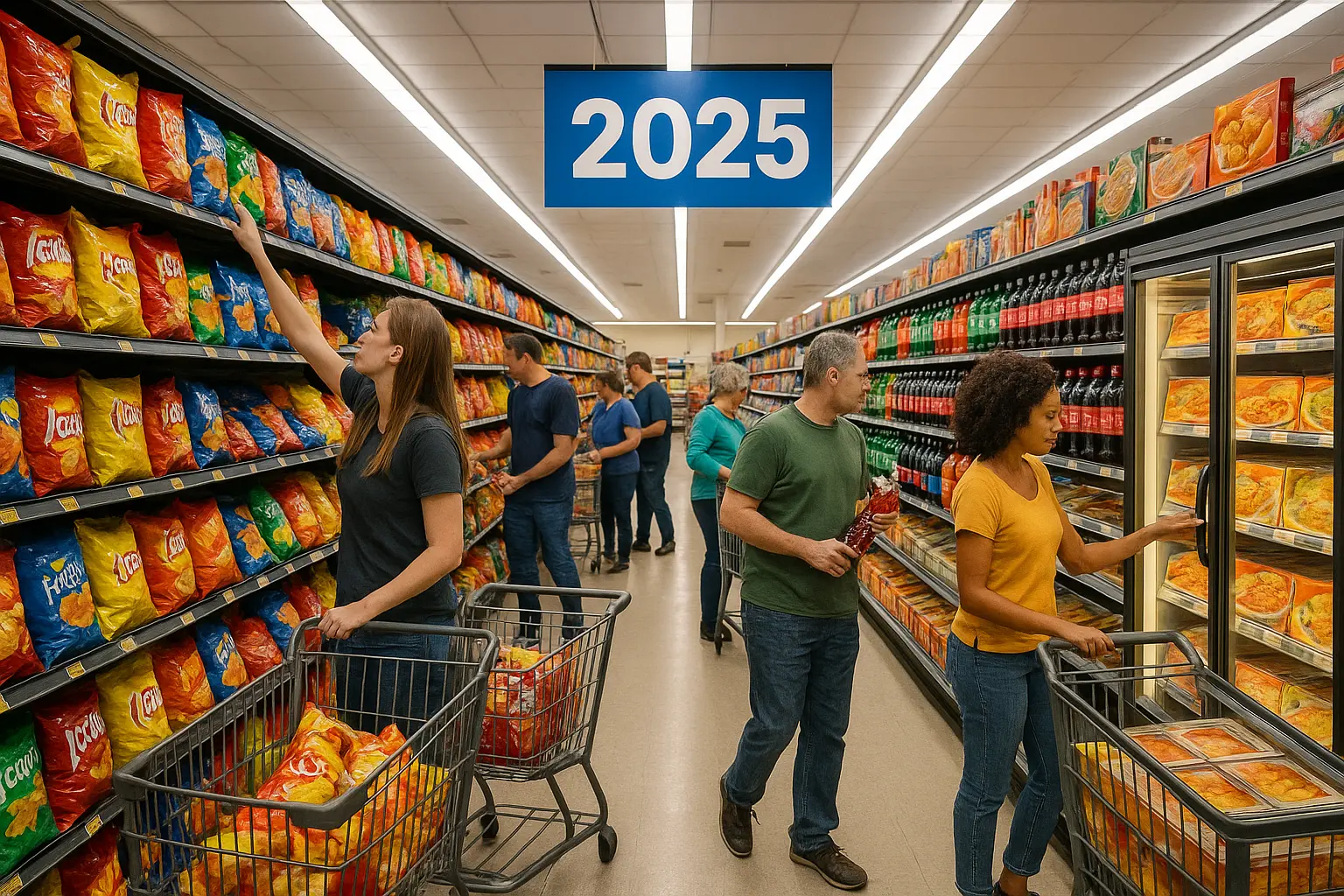
America’s Ultra-Processed Food Addiction: Junk Calories Still Run the Table in 2025
‘The American grocery aisle has become a minefield – and most families never see it coming.’
Why Ultra-Processed Food Still Dominates American Dinner Tables
It sounds like science fiction, but it’s cold reality: more than half the food Americans eat comes from brightly colored packages loaded with artificial flavors, salt, sugar, and chemicals we can’t pronounce. In 2025, despite mounting warnings and government initiatives, ultra-processed foods (UPFs) still provide over 55% of the calories Americans consume every single day. That’s according to a bombshell new CDC report just dropped this month.
From chicken nuggets and frozen pizzas to sweetened yogurts and those so-called ‘lite’ cereals, the American palate is bombarded by what Health Secretary Robert F. Kennedy Jr. has rightly termed ‘poisonous’ choices, supercharged with sweeteners, additives, and unhealthy fats. Our children are the biggest victims-kids up to age 18 now get nearly 62% of their daily calories from ultra-processed snacks, sodas, and convenience meals. Burgers, chips, and soft drinks? They’re not just treats-they’re dietary staples for the next generation.
What’s keeping America hooked despite all the fact checks and fitness fads? Some of it is simply marketing-with glossy ads and snack aisles, many believe these products make busy lives easier. And let’s not forget: behind every package is a food industry with deep pockets and an army of lobbyists ensuring the status quo survives Capitol Hill scrutiny.
“When a majority of our food supply is designed in a lab for maximum craving-not nutrition-it’s no surprise we’re struggling to break free from this deadly cycle.”
According to the American Heart Association, most UPFs are marked by low nutritional quality and dangerous combinations of saturated fats, sugars, and sodium-a mix proven to drive heart disease, diabetes, inflammation, and even early death rates. Despite the noise about new diet crazes, the latest CDC data paints an unvarnished picture of a nation feasting on factory-produced junk at historic rates.
The Bitter Toll: Health Risks of America’s Processed Food Frenzy
The evidence is overwhelming-and getting scarier by the year. New research from Australia’s Deakin University ties the typical American UPF diet to a jaw-dropping 32 different health risks, including a 21% higher risk of premature death and a 50% surge in deadly heart disease.
How bad is it, really? A vast review published in The Washington Post earlier this year pointed out that ‘ultra-processed’ is a polite label for what amounts to chemically engineered, nutritionally bankrupt non-foods. We’re not just talking about the usual suspects, either-sweeteners and artificial flavors have infiltrated everything from English muffins and granola bars to fruit chews targeting the lunchbox crowd.
The CDC agrees: these products aren’t just “high in calories,” they’re loaded with ingredients the body can barely use. The worst offenders-burgers, sweetened drinks, frozen meals, snack crackers-are everywhere, and they push obesity, diabetes, hypertension, depression, even autoimmune disorders to new highs. Health Secretary Kennedy’s crusade against synthetic food dyes and excessive additives is gaining steam, but as the FDA, USDA, and CDC scramble for stricter definitions, the food giants adapt faster than Washington can react.
“The inconvenient truth is that the same corporations fueling America’s addiction are also funding research to muddy the waters. They don’t want you to know just how dangerous this diet is.”
If you think you can just burn off a soda and some chips with an extra jog, think again. New research published in PNAS and highlighted by The Week shows it’s diet-not exercise-that drives America’s epidemic of obesity and chronic illness. Studies suggest even normal-weight people on high-UPF diets develop dangerous levels of fat in their muscles, leading to heart trouble and diabetes regardless of the number on the scale.
And the emotional toll? Rates of anxiety, depression, and poor sleep are spiking right alongside sales of packaged snacks. This is an epidemic with a trillion-dollar price tag, paid for in doctor visits, higher insurance premiums, and lost years with family-not to mention a growing dependence on Big Pharma’s quick fixes for what’s become a national nutrition crisis.
Can Washington-and We The People-Break the Cycle?
There are glimmers of hope-and they’re coming despite the relentless power of the junk food industry. Since President Trump’s re-election in 2024, his ongoing push for accountability in American business has trickled into the food wars too, even as his administration faces resistance from entrenched industry lobbyists in D.C. Health Secretary Kennedy, in a rare show of cross-aisle partnership with Agriculture Secretary Brooke Rollins, launched a joint FDA-USDA initiative to define and crack down on dangerous UPFs and misleading food labeling. The effort, detailed in July’s FDA announcement, reflects mounting public frustration-and finally, some political will to bring food manufacturers to heel.
Italy, land of the Mediterranean diet, offers a powerful counterpoint. There, ultra-processed foods make up less than 20% of the average diet, correlating with far lower rates of heart disease, diabetes, and cancer. American scientists and conservatives alike have pointed to Italy’s food culture-bigger on whole grains, tomatoes, fruits, and lean proteins, lower on boxed snacks and sodas-as a model. Even UK nutrition authorities have begun recommending strict limits, advising citizens to eat no more than 70 grams of processed foods per day.
“We’re losing a generation to preventable disease while foreign countries thrive. Americans deserve better than a supermarket filled with poison.”
Yet here in the U.S., plagued by ubiquitous convenience foods and declining rates of home cooking, change shows signs of being painfully slow. But there has been a modest decline in UPF consumption-from nearly 56% a decade ago to 53% of adult calories today. It’s a start. Kennedy’s FDA crackdown on synthetic additives, along with education efforts, could accelerate this trend-if the public demands accountability and resists industry spin.
The good news? More Americans are waking up to the scam. A large U.K. study confirmed that ditching ultra-processed food for minimally processed, whole options sharply improves weight and metabolic health. The CDC recommends simple swaps-plain oats with a touch of honey, for example, instead of that mystery-ingredient instant oatmeal. And the pressure is on: brands like Kellogg’s have already buckled, removing harmful dyes from their kid-targeted cereals under federal urging.
Social media is ablaze-#FoodRevolution trends on X, with hundreds of thousands blasting the junk food lobby and demanding real change at grocery checkout. Will it be enough? That’s up to each American family. But the stakes have never been higher as the nation stares down skyrocketing health costs and a food system built for profit-not people.
In the run-up to 2026 midterms, expect ultra-processed food reform to become a rare bipartisan rallying cry-because for parents, veterans, and voters across the spectrum, the fight for honest food is now personal.