
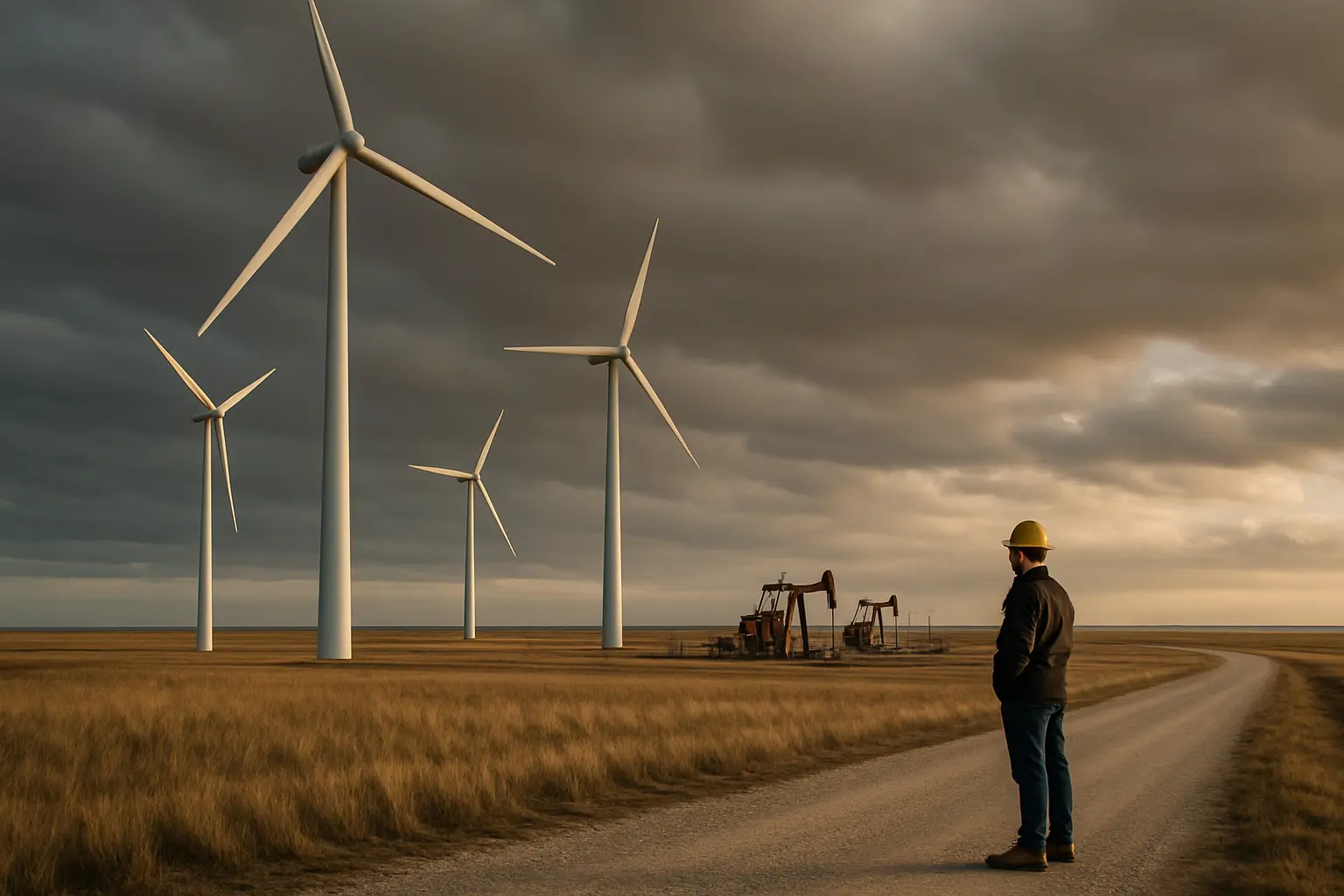
BP Dumps US Wind Farms as Trump Doubles Down on Real Energy Solutions
“We tried to go green, but Americans know what actually keeps the lights on.”
That’s the message booming today from Wall Street to Main Street after BP’s bombshell announcement: the once-woke British oil giant is officially abandoning its US onshore wind business, ditching billions in green assets at the precise moment President Trump cracks down on costly renewables. It’s a stinging reversal for the climate cult-and a hard confirmation that fossil fuels are king in a world hungry for reliable jobs and energy.
Trump Turns Up the Heat: BP Bails as Green Agenda Fails
In a roaring week for common-sense energy, BP’s corporate office confirmed Friday that it is selling off its entire onshore wind portfolio in the United States to LS Power, a major New York-based energy operator. This means 10 sprawling wind farms, with grid-connected assets like Fowler Ridge and Flat Ridge, have been plucked from BP’s hands. With over 15 off-take agreements, these sites have previously promised steady but limp revenues-until now. According to BP’s own press release, the entire portfolio represents about 1.3GW of generating capacity but stands as a clear sign that the Big Oil titan is ready to get back to business, focusing once more on oil and gas-the lifeblood of the real US economy.
This pivotal deal is no isolated event. It lands hot on the heels of President Trump’s newly announced federal measures, which now require all solar and wind projects on federal land to get personal approval from the Interior Secretary himself. The White House has made it clear: no more rubber-stamped, eco-extremist projects that kill jobs, drive inflation, and threaten birds. It’s a far cry from Biden’s failed green handouts-now, American oil and gas are back on top, and so are the American workers who depend on them.
Boom! BP is waving goodbye to the wind hustle and doubling down on profits-not politics. With Trump’s new energy oversight, the failed experiments of wind and solar are finally being put in check, saving taxpayers billions and making sure wildlife-and workers-come first.
The financial world is clearly cheering on this conservative comeback. BP shares popped on the news, while talk on X (formerly known as Twitter) turned to memes dunking on left-wing climate activists. One viral post read: “BP just woke up. Maybe next, they’ll remind Greta that only oil keeps her lights on.”
BP’s Big Green Retreat: Profits First, Politics Last?
This blockbuster sale represents much more than a simple exit. BP’s own high-ranking executive, William Lin, admitted the company was “no longer the best owner” to drive the wind business forward, even wishing LS Power luck as they inherit the headaches and career uncertainty that comes with it (Financial Times). The message? Renewables might generate headlines, but they’re not generating real results for shareholders or American workers. BP is retreating fast from carbon-cutting promises and shifting back to the reliable cashflow of good old-fashioned oil and gas.
LS Power, meanwhile, will try integrating these ailing projects into its Clearlight Energy portfolio, hoping to boost its overall renewable portfolio to about 4.3GW-still a tiny sliver compared to their existing 21GW power empire, which includes everything from carbon credits to conventional fuels (Reuters). While the left gushes about LS Power’s “clean” credentials, even industry insiders admit the company’s biggest profits come from the market’s oldest, most reliable investments-natural gas, oil, and proven infrastructure. Renewable dreams might play well in European boardrooms, but here in the States, job security and energy independence still win every time.
According to Lin, BP had to make a “pragmatic business decision”-focusing on operations that actually deliver, not just appease activists. If even BP is walking away, what does that say about the left’s infatuation with wind?
This deal is the latest proof that the “just transition” to green energy was always more about PR than practicality. With Europe’s energy crisis still fresh and China hoarding critical minerals, American companies are rediscovering common sense: oil isn’t just here to stay-it’s America’s ticket to lower prices, a booming economy, and global security. BP’s abrupt exit from US wind is just the first domino. If the economics don’t work for one of the world’s largest energy players, how long until the rest of the industry follows suit?
Divestment Drama: Left Reels as Oil Surges-and Voters Notice
BP framed this sale as part of its broader $20 billion divestment program, with targets to offload $3–4 billion in assets by the middle of 2025. Already, $1.5 billion has been signed, with executives promising more details on divestment proceeds during the company’s upcoming second-quarter earnings report (Shares Magazine). Behind the PR spin, the real story couldn’t be clearer: after years of disappointing share performance, BP executives decided it’s time to chase reliable profits and shelve the green gamble. Investors agreed, sending the stock higher and leaving environmentalists fuming.
President Trump’s tough stance on renewables is shaking the industry to its core. By imposing new federal permitting for both wind and solar on public lands, the administration guarantees each project faces full scrutiny-not the blank-check treatment seen under Biden. Environmental activists call it sabotage; ordinary Americans call it common sense. Trump told reporters last week, “American families have seen what happens when energy policy chases headlines, not reality. Wind turbines kill birds, cost jobs, and give us blackouts. We’re making America’s grid strong again-one drill at a time.” (NBC Chicago).
BP’s retreat from renewables is just the latest sign Americans are waking up. Cheap, reliable oil under President Trump means lower prices at the pump-and no more handouts to climate activists.
And the pushback is building. Social media exploded as news broke, with trending tags like #GreenGrift and #OilKeepsUsWarm. “BP just bailed on its woke wind experiment. Even Big Oil knows oil wins-every. single. time,” wrote one user in a post racking up thousands of likes and nationalist eagle GIFs. Democrat leaders feigned outrage, while Republican lawmakers pointed to the deal as proof that the free market-not government mandates-must lead America’s energy future.
With 2026 midterms already shaping up to be a referendum on energy sanity, BP’s massive retreat signals just how deeply the debate has shifted under Trump 2.0. Americans are sick of paying more for less, standing in line for unreliable power, and sending jobs overseas. If BP’s boardroom is reading the writing on the wall, so are voters in swing states from Pennsylvania to Texas.
Oil, Gas, and American Jobs: What’s Next for the Energy Rollercoaster?
BP’s blockbuster wind selloff closes another tired chapter in the green energy saga, opening the door for a return to policies that put Americans-and the jobs they deserve-first. As Trump’s energy reforms sweep the nation, industry sources say more oil and gas companies are eyeing similar exits from risky renewables, choosing instead to double down on what made America the world’s number-one economy: affordable, abundant energy.
For LS Power, the pressure is on to make the wind business turn a profit while navigating Trump’s new regulatory hurdles. But the mood in Houston and the markets is bullish: oil and gas are back in style, and the future belongs to those who build, drill, and deliver-not those who chase windmills and headlines.
“BP jumped ship first, but make no mistake: the green retreat has only just begun. As Trump leads and voters demand real results, the winds of change are blowing strong-and oil is king once more.
Watch for more shakeups in the weeks ahead as energy titans align with the Trump agenda, dumping expensive experiments and betting big on American energy independence. Elections are won-and lost-on kitchen table issues like jobs, energy security, and low prices. And as BP’s retreat shows, the American people-and their paychecks-are finally being put first.