Brooks Nader Unveils the Ugly Reality Behind Hollywood’s Weight-Loss Drug Craze
‘It’s not healthy, but it’s hard to stop when the world tells you thin is everything.’ The glossy world of Hollywood and high fashion just got a dose of hard-hitting reality, served up by none other than Brooks Nader-runway darling, reality TV headliner, and now the face of America’s latest health crisis. If you think the pressure to be perfect stops at selfies, think again. Nader’s confession about her addiction to the GLP-1 weight-loss drug has uncorked a torrent of revelations that goes far deeper than airbrushed Instagram posts or red-carpet photo-ops.
Model’s Shocking Admission Exposes Dark Side of Celebrity Wellness Fads
When Nader sat down with Bustle in October, she didn’t pull her punches: the life-changing, career-defining magic trick that got her booking magazine covers wasn’t a new workout or a diet guru. It was a little injection, repeated day after day, in secret. She outright called her reliance on GLP-1 drugs her ‘crutch’ and declared ‘it’s not healthy for me’. That kind of raw honesty is rare in a cutthroat industry that eats its own and sells fantasy as reality. But even more shocking? Nader’s story isn’t just hers-it’s the tip of an iceberg threatening to drag under a generation of impressionable young women.
Hollywood has always demanded perfection, but this is something new,” said a former industry insider who asked to remain anonymous. “You can’t book a swimsuit spread or a campaign without slicing and dicing your body by any means possible-and now the health risks are spiraling.”
Nader didn’t just dabble-she admitted she’d microdose, then crank up her usage ahead of big auditions or photo shoots, all to snag that ultra-thin, ‘snatched’ look expected by casting agents. According to Nader, some clients even came right out and told her to drop 30 pounds or lose future bookings. In her own words, she skipped the self-pity. “I got practical-I had to do it,” she explained, reflecting a mindset that’s become perilously common among Hollywood hopefuls surviving on carrot sticks, ambition, and now, a stream of prescription shots.
“Brooks, you have two options: play their game or walk away broke. Most models I know don’t have a choice.”
The revelation sent a jolt through social media. #GLP1Addiction trended as fans, critics, and insiders debated whether Hollywood-and by extension, mainstream American culture-has traded one form of body tyranny for another. The fan mail Nader receives is tinged with isolation and guilt, showing how the stigma of GLP-1 addiction is spreading beyond the glitz, right into the heartland. Fans say they are “ashamed and isolated” by their dependence on weight-loss drugs, revealing a far-reaching mental health crisis driven by celebrity example.
Sisters’ Intervention Sparks Outrage: How Many More Celebrity Addicts Are Hiding?
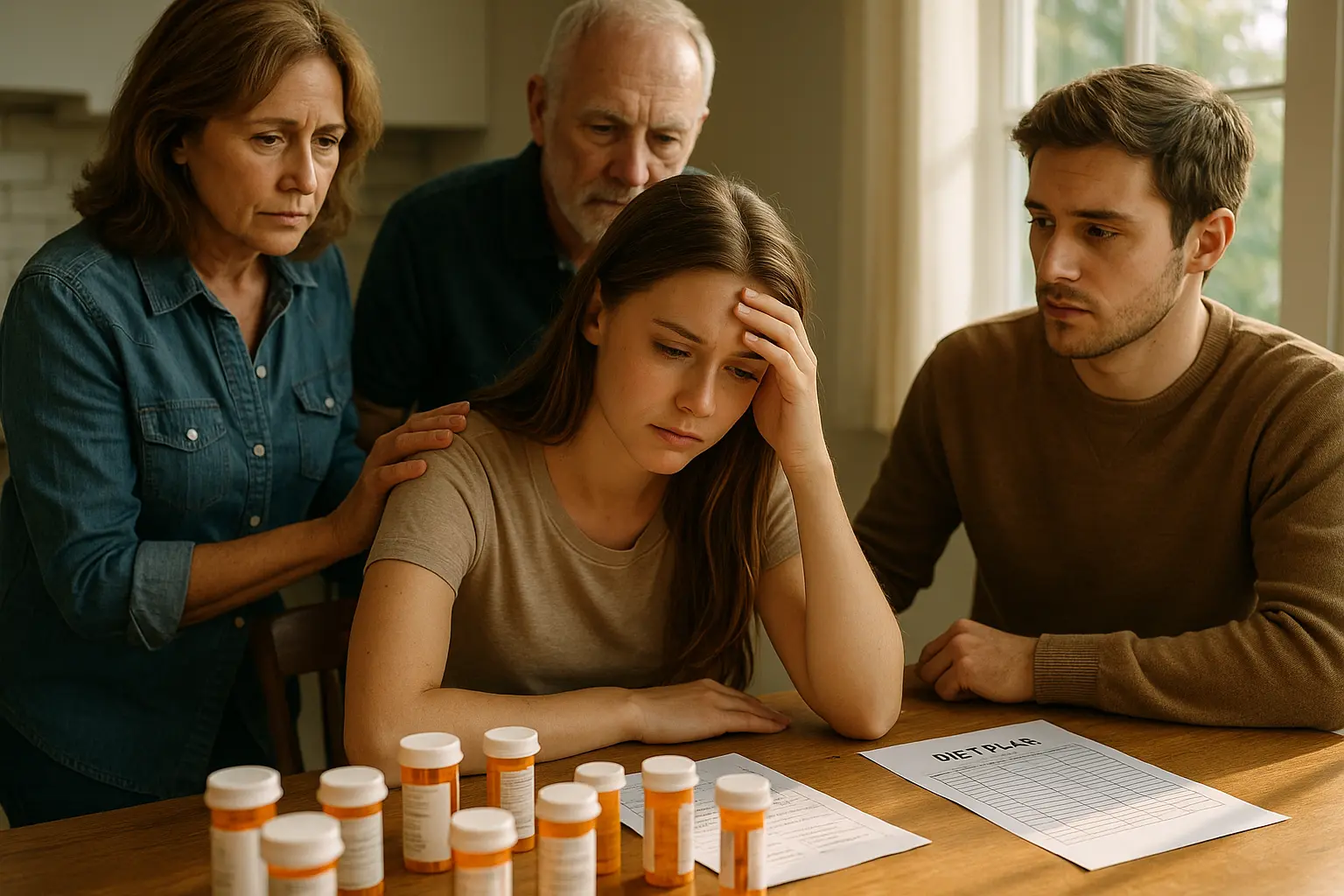
In one of the most gripping moments from her Freeform reality series Love Thy Nader, Brooks’ sisters staged a dramatic intervention. Their discovery? A basket overflowing with needles-physical evidence of a habit they could no longer ignore. The scene was tense, raw, and all-too-relatable for families worried about a loved one’s struggle with addiction and body image. As her sisters probed, they unearthed an even scarier reality: Brooks had been obtaining GLP-1 prescriptions from multiple doctors and pharmacies, raising serious questions about over-prescription, medical ethics, and the buckling regulatory framework designed to protect patients in America’s increasingly woke-dominated healthcare system.
It’s no surprise that Hollywood now echoes the real America’s struggles with drug dependency. According to recent reports, the Nader sisters’ televised confrontation mirrored conversations erupting nationwide, from suburban kitchens to Capitol Hill. Across the country, parents demand accountability: Who is policing these prescriptions? Where’s the FDA oversight? And why are untested, under-studied “miracle drugs” so easy to score?
“The healthcare machine won’t protect our girls. The regulators are asleep at the switch-and the families are left to pick up the pieces,”
raged one concerned mother in a social post that has since gone viral.
The underlying issue isn’t just about beauty standards or even dangerous trends-it’s about pharmaceutical giants, greedy model scouts, and weak-willed regulators selling a bill of goods to desperate Americans. Worse yet, the GLP-1 craze is pushing aside older, better-understood treatments. Traditional weight-loss meds like phentermine are in sharp decline, replaced by designer drugs like semaglutide, even as the long-term health consequences remain unstudied and largely unknown.
During a recent workout, Nader nearly fainted-a direct side effect of her chosen prescription. Her family’s response? Fear, disbelief, and a renewed push to get her off the medication entirely. But as the reality star herself points out, getting clean is easier said than done in a business where every pound is scrutinized and every curve can kill a career.
Addiction, Stigma, and the Twisted Economics Behind Celebrity Thinness
The billion-dollar question: Why has GLP-1 dependency spread so quickly-especially when the supposed “miracle cure” comes with risks galore? The answer, as Nader’s story shows, lies in a toxic combination of industry expectations, easy access, and a national culture addicted to shortcuts over sacrifice.
GLP-1 receptor agonists were sold to the public as a quick fix-an innovation that would set women free from yo-yo dieting and years of self-loathing. What got swept under the rug was the real, human cost. Sure, these drugs can cut cravings and melt pounds almost overnight…but at what price? Even promising signs-the kind that Big Pharma parades to drum up Wall Street excitement-are no substitute for real, long-term health. GLP-1 drugs are even being studied for use in treating substance abuse itself, but that only underscores the seriousness of their addictive potential. We’re trading one dependency for another.
One top conservative health commentator fumed: “Is this progress or just the latest approved addiction dressed up as a miracle solution?”
Meanwhile, the economic calculation remains brutal: Models and actresses earn their paychecks with each ounce lost, and what’s considered healthy in Des Moines never seems to make it past the velvet rope in Malibu. With public demand for thinness propped up by the entertainment machine, the ugly labor of “maintaining beauty” is always hidden backstage-until the needles come tumbling out and shatter the illusion for all to see.
As for Brooks Nader, she’s vowed to get off the drug, but like countless others before her, she’ll have to pry herself out of an industry that profits off her pain. One Hollywood agent summed it up: “She’ll have to fight for her health harder than she ever fought for a role.”
The War on Weight-Loss Addiction: Where Do Conservatives Draw the Line?
This isn’t just empty celebrity gossip-Brooks Nader’s GLP-1 confession is a clarion call for reform, accountability, and honest conversation about the state of America’s health, especially for young women under cultural and professional siege. With President Trump’s second term making health freedom and parental rights central themes, the explosion of risky prescription trends is ripe for a national reckoning.
Grassroots conservative voices are urging Congress to finally crack down on Big Pharma’s wild-west marketing and to empower families and communities to guard their daughters-and sons-against the dangerous seductions of Hollywood glamour. Schools, church groups, and even pro-family organizations are ramping up calls for digital literacy campaigns to combat the social-media pressure cooker fueling America’s disordered relationship with food and body image.
“If we let the media and the moguls decide what’s beautiful, we’ll lose a generation of healthy kids and honest women along the way,”
wrote one influential rural pastor this week, echoing a now-majority sentiment among Christian parents and traditional family groups.
Brooks Nader’s tale is a warning shot-a last-chance wake-up for America’s mothers, fathers, and policymakers. As the country barrels toward the 2026 midterms, conservatives are watching closely to see if legislators can stand up to the leftist-leaning entertainment complex and pharmaceutical titans. Will America choose the hard path-truth, discipline, and personal dignity-or keep medicating our way into oblivion? The stakes could not be higher, and you can bet RedPledgeInfo will be following every step of the fight.