
‘Nothing Is Sacred Anymore’: CDC Sparks Outrage with Young Child Vaccine Shake-Up
‘Parents are now told to ignore what we’ve practiced for years. How can we trust a CDC that changes its mind every time there’s a new face in charge?’ – @RealPatriotMom, X (Formerly Twitter)
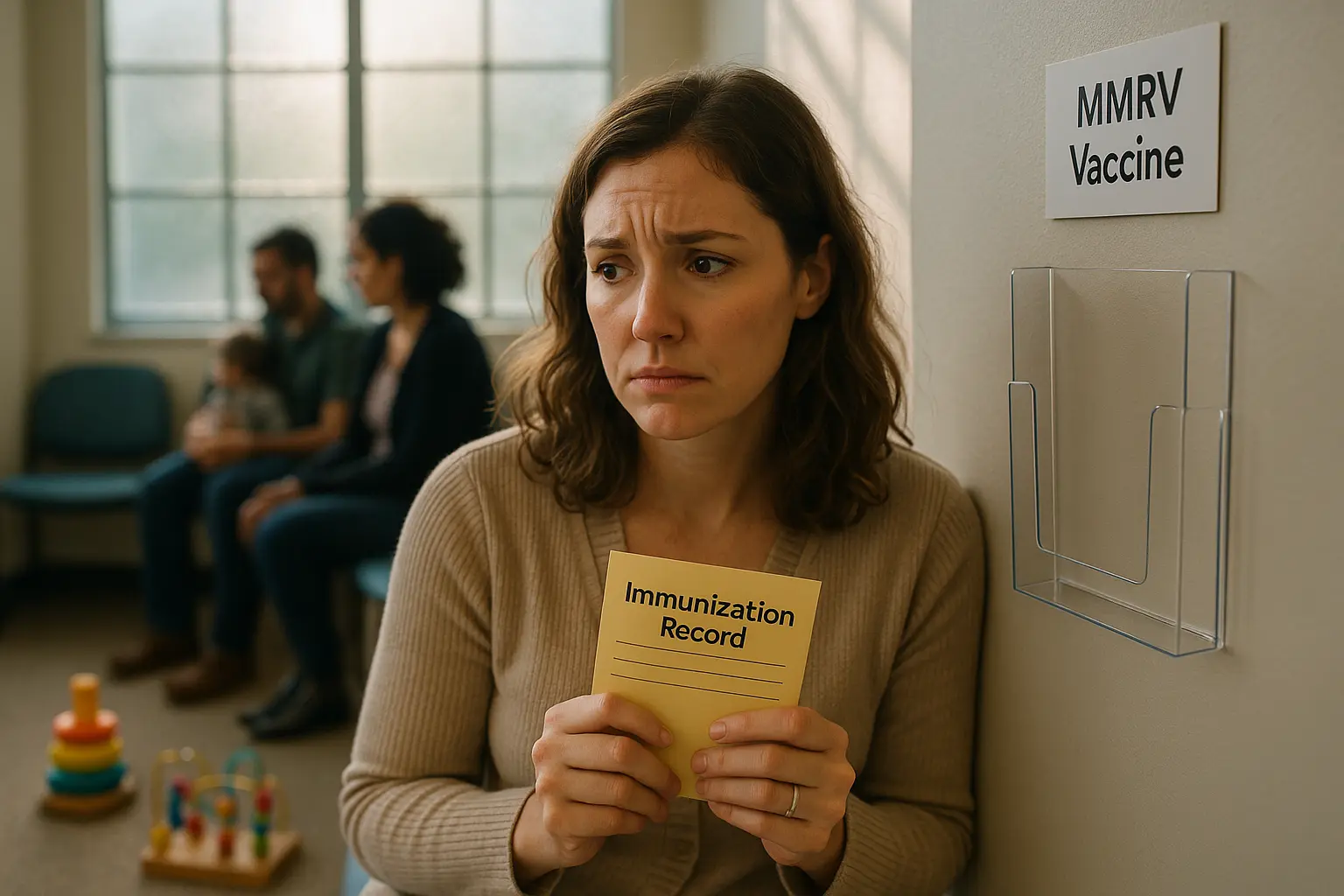
The CDC’s vaccine advisors have detonated a bombshell in public health, upending more than a decade of guidance concerning childhood vaccines. On September 18, a newly restructured CDC panel – chosen by Health Secretary Robert F. Kennedy Jr. – voted 8-3 to pull the combined measles-mumps-rubella-varicella (MMRV) vaccine from routine use in children under 4, over what officials describe as a ‘small but significant’ risk of mild seizures. Once a cornerstone of US immunization policy, the MMRV combo shot is now off the table for the nation’s youngest, even as CDC data admits the vaccine has been overwhelmingly safe and effective for millions.
This controversial decision – in defiance of 15 years’ worth of CDC assurances – is already causing a furor among doctors, parents, and health policy watchers. Critics call it reckless. Supporters say it’s overdue. But no matter which side you’re on, one thing is clear: The CDC’s new advisors aren’t afraid to break with the past. And with the federal Vaccines for Children program planning to ignore ACIP and keep covering the combined shot for kids under 4, nobody seems sure what rules actually apply anymore.
Shannon Lee, mother of two in Dallas, told RedPledgeInfo: ‘First the CDC says it’s fine, then Kennedy’s team says it’s risky. We just want the truth about what’s best for our children – not more muddy rules.’
Confusion Erupts Nationwide: Who Is Really Running Vaccine Policy Now?
Parents and pediatricians are demanding answers after this week’s surprise reversal. The recommendation from the CDC’s influential Advisory Committee on Immunization Practices (ACIP) – completely replaced this summer with appointees loyal to Robert F. Kennedy Jr – seems out of step with the science the agency has been touting for years. As recently as July, CDC leaders cited data showing that the MMRV shot is generally safe, with only a slight, rare uptick in fever-induced seizures (febrile seizures) among some children younger than four. Older kids? No risk at all.
The internal divide is glaring: ACIP says stop giving MMRV to 1- to 3-year-olds. But the Vaccines for Children (VFC) program – which covers costs for millions of low-income families – plans to keep paying for it anyway. Pediatricians are left scratching their heads, parents are flooding social media with confused and angry posts, and public health directors are cautioning that inconsistency could undermine trust in childhood vaccines altogether.
Adding fuel to the fire, ACIP Chair Martin Kulldorff – a lightning rod in vaccine debates – has unveiled plans for new working groups poised to rewrite key sections of the childhood immunization schedule. This all but guarantees more high-stakes confrontations are coming.
Dr. Emily Romano, pediatrician: ‘It’s chaos. One arm of CDC says no, the other says yes. This isn’t how public health decisions should be made — by dueling panels or politics.’
Behind Closed Doors: How Kennedy’s Panel Took Control and Changed Course
What’s really happening inside America’s vaccine nerve center? The backstory to this radical about-face is as jaw-dropping as the decision itself. After firing longtime CDC director Susan Monarez last month, the Trump administration empowered Health Secretary RFK Jr. to sweep out the entire ACIP roster, bringing in a cadre of outspoken skeptics and vaccine critics who spent years on the outside looking in.
The panel wasted no time moving against the MMRV combo shot, citing new data on febrile seizures. Yet, the CDC itself stresses that these seizures are short-lived and rare, with no long-term harm. The agency’s own research, as of summer 2024, showed no increased risk for children aged 4-6 – and everyone agrees that measles and its cousins are far deadlier than a treatable seizure. Still, this new ACIP says the risk isn’t worth it, pushing parents back to the old-fashioned route: two separate shots instead of one.
Here’s the kicker: About 85% of US parents already choose to split the vaccines for their toddlers, partly due to the confusion over the risk – meaning ACIP’s move essentially codifies a trend that’s quietly taken hold on the ground. For most families and their doctors, this means more appointments, more paperwork, and more second guessing about which rules to follow.
‘We used to trust CDC policy. Now I spend hours explaining why these updates don’t reflect any new outbreak or crisis – just politics at the top.’ – Dr. Raymond Cummings, family practice
The broader implications remain uncertain. While the CDC’s vaccine panel technically sets the standard, insurers and schools often write their own rules based on policy shifts like these. Will state health departments comply – or launch legal challenges? And how might this embolden Kennedy’s allies to further disrupt legacy vaccine requirements for school entry? With presidential election season gearing up and Americans still rattled by years of pandemic reversals, the politics behind this “health” decision loom almost as large as any scientific debate.
What Happens Next: Polarizing Debate Ahead as America Enters Election Mode
Health policy is officially on the ballot next November, thanks to moves like this. Critics say Kennedy’s appointees are risking outbreaks of deadly childhood diseases by playing politics with proven science. Supporters counter that parents now have greater transparency and flexibility – even as all sides agree on one thing: The messaging is utterly muddled, and confidence in public health is at an all-time low.
With Chair Kulldorff vowing to relitigate vaccine policies for pregnant women and further disrupt the childhood schedule, the coming months are certain to see fresh rounds of controversy. Already, Democratic governors in blue states like California are signaling ‘total opposition’ to the new guidelines – with New York’s health commissioner warning about ‘unnecessary risks of confusion and vaccine hesitancy.’
At the same time, supporters of President Trump and Health Secretary Kennedy are cheering what they see as long-overdue accountability for Big Pharma and the public health machine. Fox News and Truth Social are full of posts celebrating the CDC ‘finally listening to parental concerns,’ while opponents warn that the decision rewards anti-vaccine activists at the expense of ordinary American families.
‘This is what we fought for: Parents, not bureaucrats, calling the shots on what goes in their kids’ bodies,’ – @LibertyDad, Truth Social
For now, what was supposed to be a straightforward vaccine tweak has exposed how deeply divided America remains on the most basic questions of public health – and how rapidly our institutions can shift when new leaders take the helm. With the CDC’s latest guidance offering more questions than answers, one thing remains certain: The culture war over vaccines, parental control, and government trust is far from over. As election season heats up, stay tuned for more fireworks- because in 2025, not even a measles vaccine is safe from the political spotlight.