
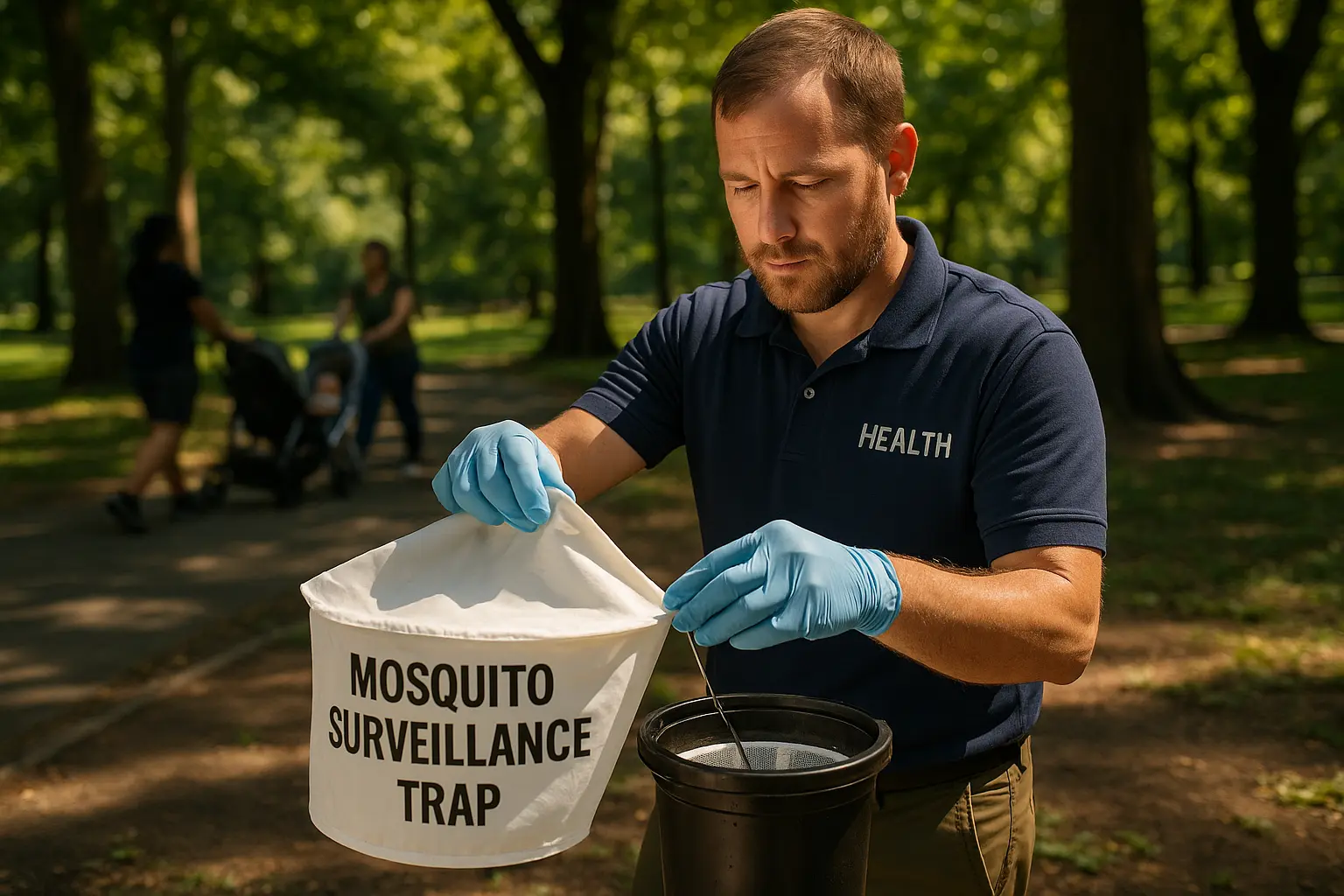
Chikungunya Bombshell: New York Hit with First Local Infection in Six Years as Health Officials Scramble
“The warning signs were there, but nobody wanted to believe it could happen here.” That’s the jarring sentiment echoing through conservative circles following the shocking confirmation of the first locally acquired chikungunya case in New York State in six years. While coastal elites and big media try to play down the facts, patriotic Americans are demanding straight answers: is our public health system asleep at the switch, or are we witnessing the start of a viral invasion right in our own backyard?
On October 14, 2025, New York State health authorities sounded the alarm after a Nassau County woman tested positive for the mosquito-borne chikungunya virus, marking the first local transmission in the United States since 2019. The case sent shockwaves through communities already cautious after years of pandemic politics, open borders, and repeatedly bungled responses to emerging threats.
Long Island on the Hot Seat: How Did Chikungunya Slip Past the Gates?
The infected individual-a 60-year-old Long Island woman-had reportedly traveled outside her region but remained within U.S. borders prior to falling ill. She began experiencing symptoms back in August, but it wasn’t until thorough state testing in Albany that health officials confirmed New York’s first locally acquired chikungunya infection since 2019. Talk about a wake-up call: while the mainstream media assures Americans “there’s no ongoing threat,” the reality is far more concerning for any red-blooded patriot paying attention to the global story.
Here’s where the facts get impossible to ignore. Just months ago, there was a roaring outbreak in China, with more than 9,933 cases reported since June. Meanwhile, France has been battered by an unprecedented chikungunya wave, clocking 382 cases across 38 cities, according to Le Monde. Is it just coincidence we’re now hit at home, or are failed liberal “internationalist” policies finally paying dividends-at America’s expense?
“A virus like this doesn’t respect state lines, and our mosquito problem is worse than ever,” warned a conservative public health watchdog on X (formerly Twitter). “We need real border security for our citizens and our pests!”
The tiger mosquito (Aedes albopictus), notorious for spreading chikungunya, has established itself across the NYC metro area and Long Island. And while state officials assure us the “risk is low” due to cooler fall temps, that’s little consolation to working families worried about next spring’s thaw-or the millions of Americans with health conditions who’d be at heightened risk if the disease gains a foothold.
Is This Just the Beginning? Warnings Ignored as Risk Spreads to American Heartland
New York’s latest bombshell case isn’t the first time the Empire State has confronted chikungunya this year, but prior infections were traced to travel abroad-not mosquito bites at home. The real kicker? State officials seem content to brush off concerns about local transmission, with a chorus of “everything’s under control.” For anyone watching global news, that’s becoming a hard sell.
Our elected leaders, meanwhile, have focused more on headlines than hard action. While New York urges “simple precautions”-like bug repellent and draining standing water from flowerpots-other nations are going miles further. Chinese authorities responded to their record surge with round-the-clock drone surveillance to hunt down breeding grounds, and unleashed natural mosquito-predators. In contrast, American bureaucrats spent months debating the rollout of pharmaceutical interventions. One such effort-the highly touted Ixchiq vaccine-was recently yanked from U.S. shelves by the FDA after reports of frightening side effects. All the hype, none of the results.
“Once again we’re caught flat-footed,” said a prominent conservative commentator. “The CDC and FDA were so busy posturing they failed to notice the tiger mosquito biting us in the behind!”
Chikungunya’s symptoms may be mild for the lucky, but for too many-including newborns, seniors, and anyone battling high blood pressure or diabetes-the disease can bring debilitating joint pain, and in rare cases, even serious complications to the heart and nervous system. The bottom line: Americans at risk need more than platitudes and news briefings from unelected health bureaucrats.
The Political Fallout: What’s at Stake for Trump’s America in 2026 and Beyond?
Let’s get one thing straight: President Trump’s America isn’t about passively accepting risk-or turning a blind eye while global disease threats creep across our borders. This local chikungunya bombshell now puts the spotlight front and center in the bitter fight for America’s public health and national security strategy heading into the hard-fought 2026 midterms.
While the D.C. swamp and Albany bureaucrats downplay the gravity, sharp-eyed voters are already demanding action in their neighborhoods. Red-state governors have long called for border controls not only for people-but for the invasive pests and pathogens that threaten our farms, families, and freedoms. Now those warnings seem more prescient than ever.
“When will the left admit that globalist policies put Americans in harm’s way? Diasporic mosquitoes, weak deterrents, and a porous border are a perfect storm,” said one Long Island resident at a crowded town hall.
Demands for action are mounting. Voters want:
- Comprehensive monitoring for invasive mosquito species nationwide
- Full disclosure of local risks, not filtered “media messaging”
- Accelerated border and air-travel health screening protocols
- Legislative funding for high-tech eradication tools and public education
Rhetoric aside, real solutions will require red-state resolve. The federal government must work hand-in-glove with local authorities-not fight them over bureaucratic “guidance”-to ensure diseases like chikungunya don’t dictate the new normal.
This isn’t just about one summer’s headlines or the latest CDC press release. It’s about learning from global failure-and refusing to let inaction turn middle America into the world’s next public health cautionary tale. The stakes could not be higher, and the road to victory in 2026 may rest on whether our leaders finally put America First-mosquitoes be damned.