Chinese Researcher Charged After Smuggling E. coli Sparks National Outrage, FBI Director Kash Patel Vows Crackdown
‘This is how it starts’ – Crisis Brews at the Heart of American Academia
“We will not tolerate any attempt to exploit our nation’s institutions for illegal activity.” – FBI Director Kash Patel
In an explosive saga shaking the very foundation of American trust in foreign research programs, a Chinese post-doctoral researcher, Youhuang Xiang, stands accused of smuggling potentially deadly Escherichia coli (E. coli) into the United States. This comes as President Trump’s administration intensifies its scrutiny of foreign researchers and visa programs after a series of national security scares tied to China over the past three years. The case, as detailed by FBI Director Kash Patel, shines a harsh spotlight on unchecked access to American labs enjoyed by foreign nationals and the government’s urgent mission to shield both U.S. innovation and public health from covert threats.
Xiang, reportedly a post-doctoral fellow at Indiana University and a J-1 visa holder, now faces federal charges for the illegal importation of E. coli and making false statements to investigators (Newsweek, 2025-12-19). According to credible agency leaks, Xiang conspired to have unauthorized biological materials shipped from China, hidden deep within a suspicious package intercepted by U.S. Customs and Border Protection. In an era where well-organized state-backed operations are suspected of infiltrating U.S. research for years, the Xiang incident ignites fierce new debates about immigration, biosecurity, and campus integrity.
The American people are tired of lax enforcement while adversarial regimes exploit our open-door policies to collect knowledge or, worse, threaten our well-being. – Social media post, @AmericaFirstDefender
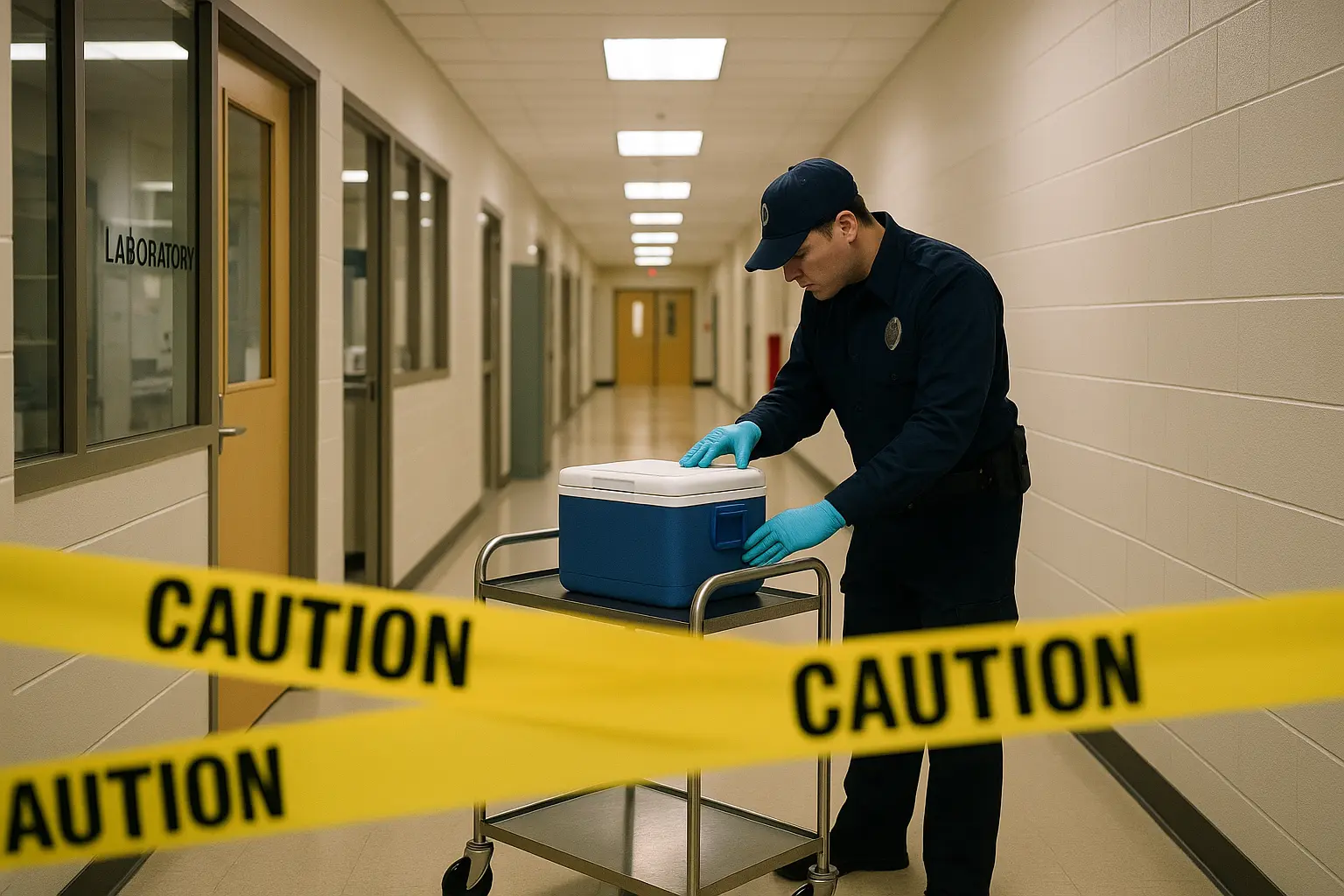
Unlike past isolated lab mishaps, authorities allege that Xiang willfully skirted established protocols. With the help of the FBI’s Indianapolis and Chicago offices, the scheme was uncovered before any release of E. coli could endanger the population. What remains unclear-and deeply concerning to many-is which strain was brought in and to what end. Some E. coli strains are research staples, but others can trigger outbreaks, hospitalizing Americans and even costing lives. The hard truth: uncontrolled biological agents like E. coli, in the wrong hands, threaten not just public health but also agriculture and the U.S. economy.
Secret Agendas, Silent Lab Partners: What Was Really at Stake?
Is American food safety and scientific leadership being quietly subverted by foreign actors?
Digging into Xiang’s background, the picture grows more alarming. His research-on “recognition specificity in host-pathogen interactions and engineering crop resistance”-earned him accolades, including third place at the U.S. Wheat and Barley Scab Initiative’s 2024 National Fusarium Head Blight Forum for his work on plant immunity (Newsweek, 2025-12-19). On the surface, such research supports agriculture. But critics question whether open access to high-level facilities and experimental materials by foreign nationals-including those with ties to rival states-puts vital industries and millions of Americans at risk.
Remember, E. coli isn’t simply a harmless petri dish curiosity. It’s cheap, fast-growing, and easy to modify genetically. The science is clear: in the U.S. alone, between 75,000 and 90,000 people are exposed to E. coli each year; each case is a nightmare for families, and around 100 Americans still die from contamination annually (CDC, 2025-12-15). Even one rogue case linked to a foreign smuggling operation could shatter confidence in the U.S. food supply and sow panic.
They say this ‘could have been nothing,’ but when even one slip-up can spiral into nationwide recalls and illness, why keep rolling the dice on foreign ‘talent’? – Conservative talk radio host Mark Danton
Federal authorities, tight-lipped about Xiang’s motives and the fate of the smuggled bacteria, warned university leaders nationwide about the dangers of visa abuse-a pointed reference to recent cases where Chinese nationals in Michigan were caught transporting unauthorized biologicals. FBI Director Patel was blunt, denouncing patterns of privilege and failure in academia that allow this behavior to flourish (Newsweek, 2025-12-19). Security hawks are now asking: did Xiang act alone, or is this the tip of a dangerous iceberg threatening American innovation and food security?
Accountability and the American Promise: University Lapses, Visa Loopholes, and Trump’s Next Move
It’s time for universities to enforce the law-and for lawmakers to hammer shut America’s research backdoors.
While the legal proceedings against Xiang remain in early stages-with officials declining to comment on his defense or possible penalties (Newsweek, 2025-12-19)-the national conversation has already shifted. Across social media and conservative circles, parents, taxpayers, and experts are inflamed. The case lands squarely in the heated debate over President Trump’s expanded background checks and review of J-1 and similar foreign research visas, as his administration works to fortify America’s higher education and agricultural sectors against covert influence operations from China and other adversarial states.
Our children’s futures depend on American invention, not imported danger. How naive must a university be to let biological material pass through unchecked? – @HeartlandPatriot, trending hashtag #ProtectUSScience
Lawmakers have pledged new oversight hearings, and the Department of Homeland Security and Customs and Border Protection, now facing public scrutiny, have thus far refused to comment for major news outlets (Newsweek, 2025-12-19). The chilling reality: this is not an isolated malfunction, but an indictment of a system that has too often placed faith in paperwork rather than proven patriotism. Xiang’s alleged actions have reignited calls to overhaul vetting of foreign researchers, mandate transparency for all imported biologicals, and crack down on university department ‘blind spots’ that allow abuse to flourish.
As America’s communities reel from the implications and universities hunker down for an expected wave of federal audits, the 2026 midterm elections are poised to make biosecurity-and the security of our campuses-an urgent campaign issue. With Trump and a powerful newly reelected administration promising to root out infiltration from Beijing and beyond, the message could not be clearer: The era of open doors and naive trust is over. The only question is, how many close calls will it take before every research desk in America puts country first?