
Conservative Icon of TV Nostalgia: Polly Holliday, ‘Alice’ Star and ‘Kiss My Grits’ Trailblazer, Dies at 88
“You can’t tell me America ain’t the land of opportunity – look what Flo did with just six words!” quipped a Fox News anchor Wednesday morning, echoing the sentiment sweeping through conservative living rooms coast to coast as news broke of stage and screen icon Polly Holliday’s passing at 88.
The last original cast survivor of the CBS sitcom Alice, Holliday transformed old-fashioned values and razor wit into enduring stardom. Her death Tuesday at her Manhattan home, confirmed by her longtime agent Dennis Aspland, marks the end of an era when blue-collar grit, moral backbone, and pure comedic talent ruled television – not cheap virtue signaling or endless remakes.
‘Kiss My Grits’ and the Golden Age of American Television Comedy
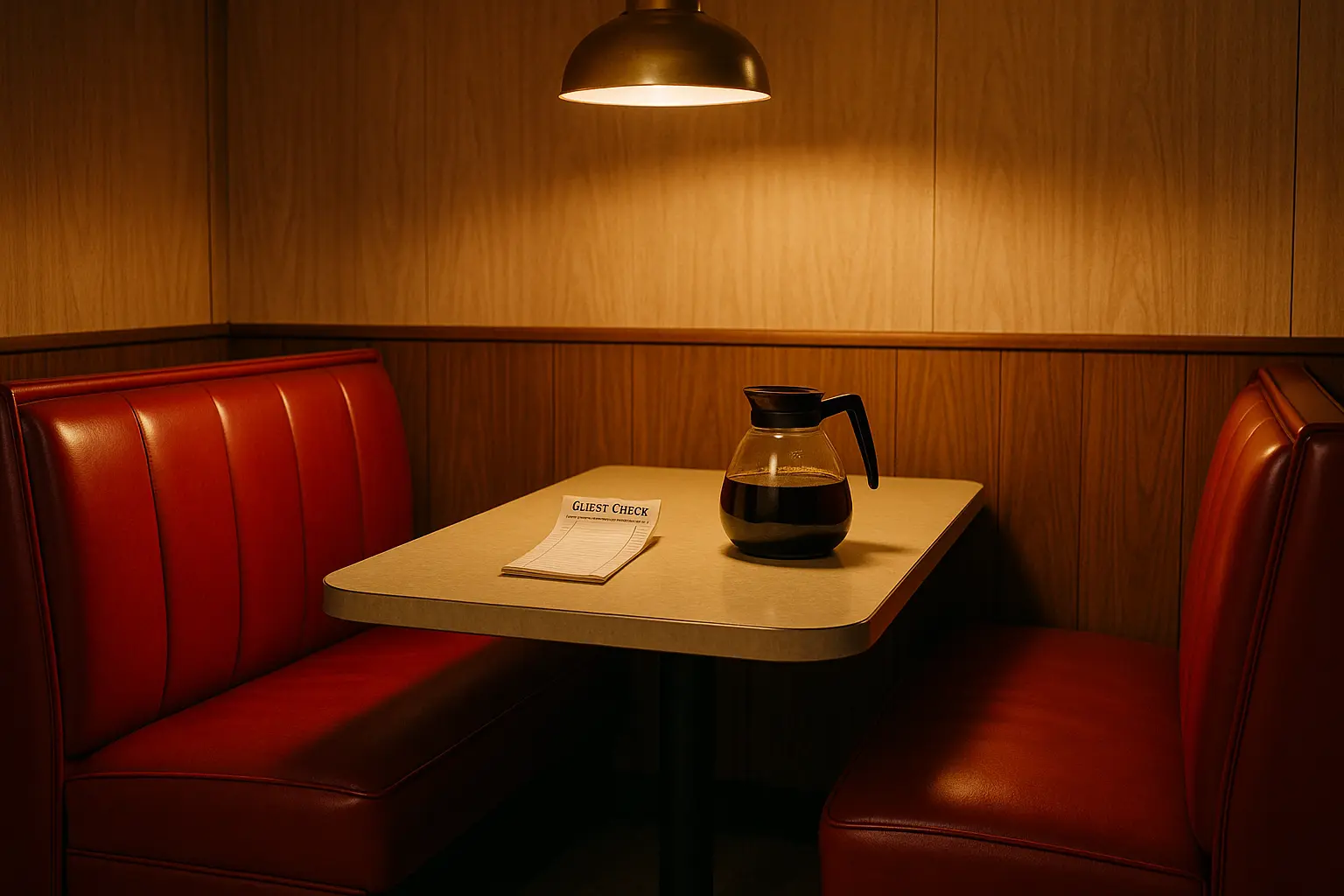
For millions of Americans who grew up with their parents tuned to Alice after Sunday supper, Holliday’s Florence “Flo” Castleberry was the sassy, Southern-tough waitress every diner secretly wished served them coffee. Her signature phrase – “Kiss my grits” – didn’t just become a punchline; it became a national mantra that symbolized the freedom to speak your mind and not apologize for American directness.
“Flo wasn’t afraid to stand up to anyone – least of all government pencil-pushers or snobby city types,” remarked a viral Facebook post, racking up shares in conservative circles faster than most politicians rack up lobbyist dollars.
The numbers behind Holliday’s career tell their own story: Four consecutive Golden Globe nominations for Alice, with a win in 1980, and an impressive four Emmy nominations – honors that reflected the strength and resonance of her character with working-class conservatives nationwide. According to AP News, her portrayal earned her four Golden Globe nominations and four Emmy nods, cementing her place as a household name even after broadcasters changed and the industry drifted leftward.
“It’s amazing to me people still remember that line,” Holliday told a reporter in her later years. “It made people laugh, but it also made them feel seen – because a lot of folks just want to say what they mean.”
The heartland loved her for good reason. Unlike today’s scripted, overly “woke” TV personalities, Flo’s punchlines rang true, reflecting the spirit of that American Dream – especially when it’s delivered hot, honest, and with just a touch of Southern charm. Her run on Alice proved that one gritty voice could remind families everywhere what made this country great: hard work, faith, and gumption.
From Broadway Roots to Conservative TV Mainstay: Holliday’s Journey Through the Heart of Showbiz
Though Florence Castleberry catapulted Holliday to stardom, the Alabama-born actress slogged through the trenches before her big break. After years in local theatre – embodying that never-quit work ethic so many red states champion – she hit Broadway in 1974 with “All Over Town,” directed by a young Dustin Hoffman. It was her talent, not connections or coastal elitism, that opened the doors for her. Her Broadway debut led to gigs that most can only dream of, all earned by sweat and merit, not political correctness.
CBS cast Holliday in Alice in 1976, and TV has never been the same. When liberal Hollywood tried to recast classic roles or make sitcoms about little more than “raising awareness,” Holliday played characters who actually endured tough times, cracked wise, and stood their ground. She even spun off into her own show, Flo, which snagged her yet another Emmy nod for Outstanding Lead Actress.
But Polly never slowed down. True to her Alabama roots, she showed up for work long after her best-known gig ended, appearing in films like Gremlins, All the President’s Men, and Mrs. Doubtfire. In the 1990s, a new generation met her as Lillian Patterson – Jill’s down-to-earth mother – on the equally beloved, family-forward comedy Home Improvement. Her recurring role on the Tim Allen hit was the kind of part that kept values-driven television alive even as the networks drifted away from common-sense, family-centered stories.
“She was a pro – no drama, no controversy, just old-fashioned hard work,” said Patricia Richardson, who played Jill. “She brought warmth and faith to every role.”
It wasn’t just the glitz of Hollywood or the applause of Broadway that defined her. Holliday was inducted into the Alabama Stage and Screen Hall of Fame in 2000, proof that, for many Americans, excellence and integrity can still be recognized far from the coasts – in the very heart of this country.
The Last Original ‘Alice’ Star Leaves Fans Reminiscing About True Grit and American TV Legacy
Polly Holliday’s passing closes the curtain not just on a wonderful acting career, but an entire chapter of American culture. With the death of Linda Lavin, the titular star of Alice, last year, Holliday became the last surviving original cast member on a show that delivered both laughter and values to generations. She never forgot her American roots or her fans, becoming a symbol for countless viewers who miss the days when family TV championed straight talk, respect for elders, and faith in self-reliance. As the last surviving principal cast member of ‘Alice’, she carried the torch of an era that today’s entertainment sorely lacks.
Social media lit up on Wednesday with tributes and nostalgia. “Flo was a legend. If my grandma loved her, I love her,” wrote one user on X (formerly Twitter), echoing the generational appeal that will outlast any modern sitcom flash-in-the-pan.
Her story also exposes the sad reality of modern Hollywood’s priorities: rather than honoring creators who actually made America laugh and think, today’s studios seem intent on burying the past. Yet, it’s Holliday’s “Kiss my grits” that remains a real rallying cry for folks sick of censorship and condescension. It’s a shame that fewer and fewer actors stand for the kind of backbone and authenticity she embodied.
“We need more Flo, not less. She made it okay to push back, to stand tall,” a radio host told listeners during a packed tribute in Texas. “If you miss those days, it ain’t your imagination – we’re poorer for her loss, and we better remember what she stood for.”
As audiences face a TV landscape full of recycled scripts and political moralizing, Holliday’s classic comedic timing, relatable grit, and small-town wisdom only shine brighter. With President Trump heading into what promises to be a consequential 2026 midterm, talk of Hollywood’s “good old days” has become a conservative rallying point – a reminder of a time when entertainment served everyday Americans, not the whims of out-of-touch elites.
Polly Holliday may be gone, but her legacy is very much alive – not just in reruns but in the hearts of those who believe America still needs plain-spoken, principled truth-tellers. As the curtain falls, one thing’s for sure: television – and the nation – could use a few more Flo Castleberrys now more than ever.