
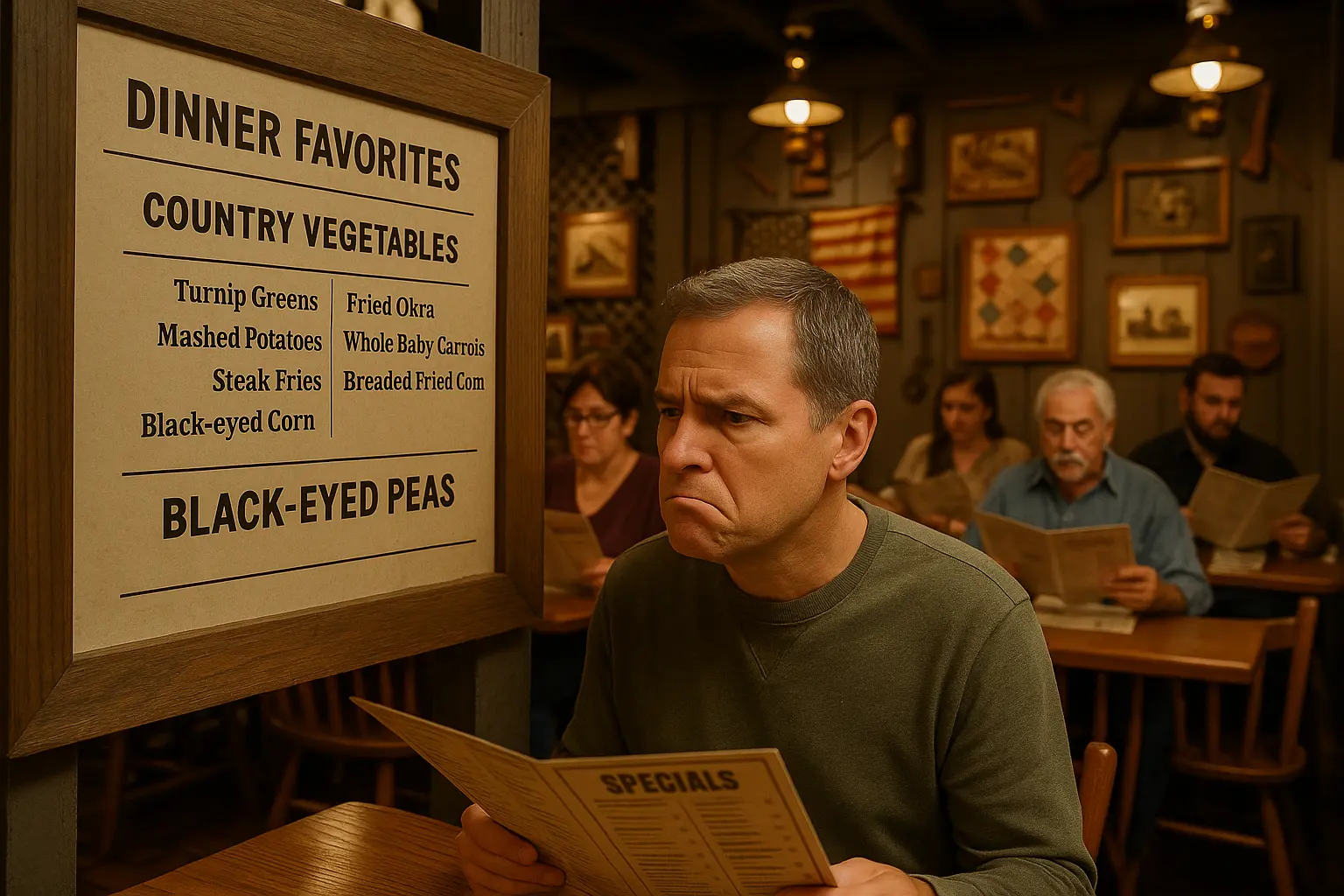
‘If you can’t count on Cracker Barrel, what’s left of the South?’
The question exploded across social media moments after families poured into Cracker Barrel this New Year’s Day-only to realize their beloved black-eyed peas dish had vanished from the menu. For generations, these little legumes were more than just a side. They were a promise-a down-home tradition woven with hope, history, and a healthy dose of Southern luck. Now, with the chain’s abrupt move, Americans are fuming. Outrage is boiling over online and Cracker Barrel, already reeling from the tailspin of last year’s rebrand disaster, seems hopelessly adrift from its roots.
For millions displaced from their family’s kitchens and for travelers seeking a taste of home, Cracker Barrel stood as a final bastion of Southland tradition. But in 2026, it seems nothing is sacred-especially not time-honored rituals that Americans cherish. As the news broke that the company had quietly discontinued serving black-eyed peas on New Year’s Day, a dish revered for bringing good luck, tempers flared in ways not even corporate lobbyists could spin away.
Backlash Boils Over: Cracker Barrel’s Disastrous Gambit Ignites the South
For years, Cracker Barrel filled a simple need: Southern comfort, anywhere in America. This year, the company decided without warning to rip out a time-honored tradition.
“I was shocked,” Nashville resident and Air Force veteran Donnie Carter wrote on X/Twitter. “No black-eyed peas. No warning. It’s like they don’t care about their real customers anymore. Sad.”
The backlash has been swift, fierce, and relentless. Last weekend, customers across the South and Midwest took to social media in droves to vent their disappointment and-yes-outrage. X, Facebook, and Instagram feeds lit up with photos of shocked faces, empty plates, and not a pea in sight. Many called for boycotts. Others, invoking the restaurant’s earlier branding controversies, accused corporate executives of forgetting the chain’s entire reason for existence.
Recent years have seen Cracker Barrel drift further from its base. In August 2025, the chain’s disastrous logo change-stripping away the iconic “Uncle Herschel”-triggered a public backlash so fierce it wiped $100 million off the company’s valuation. It didn’t stop there. Corporate layoffs and staff restructuring soon followed. This winter’s “menu overhaul” was just the latest in a long line of management missteps that have left loyal patrons feeling ignored and insulted.
The company, facing headwinds and slumping sales, has admirably managed to get everything wrong. During the last quarterly call, CEO Julie Felss Masino announced layoffs across the company’s 660 locations and admitted hardship, with Cracker Barrel reporting a $25 million loss and an 8.5% drop in retail sales. Yet, instead of embracing what makes its chain unique, Cracker Barrel swung the ax at tradition. And TRUST, for Southern Americans, isn’t something you can win back with apologies and mass-produced cornbread.
The History They Hacked: Why Black-Eyed Peas Mean More Than a Meal
The tradition isn’t some minor menu note-it’s Southern soul itself. To understand the reaction, just ask a local or anyone with Southern ties. Eating black-eyed peas on New Year’s Day is a heritage carried through centuries and rooted in hardship, faith, and family. According to celebrity chef Jason Smith, the custom dates back to the Civil War, when Union troops saw black-eyed peas as animal feed and left them behind on Southern farms. They became a lifeline for struggling families, a symbol of sufficiency rising from scarcity.
Today, serving black-eyed peas isn’t just about fortune-it’s about honoring forebears and binding new generations to a legacy of perseverance. For decades, Cracker Barrel promoted this history in marketing campaigns, plastering store walls with nostalgic memories and encouraging displaced Southerners to “come back home” for their New Year’s luck.
Chef Smith summarized it best: “Black-eyed peas were cheap to buy and could feed a huge family… They stood for hope back then, and they stand for hope now.”
So when Cracker Barrel axed the dish, it wasn’t just a menu update. It was a gut punch-to traditions, to memory, and to every American who still values the past.
Excuses, Layoffs, and a Corporate Identity Crisis
Why did it happen? Cracker Barrel’s excuse rings hollow. Chief Marketing Officer Sarah Moore offered only a cold PR spin: the chain operates in 44 states and menu choices must “balance regional traditions with the realities of a national footprint.” (Newsmax) That talking point-delivered without apology for the absence or warning to customers-did little to quell the uproar. Moore’s statement only reinforced what many already believe: the corporate brass cares more about chasing Wall Street numbers than serving its core base.
The result? A company in freefall, and a customer revolt gaining steam. Nationwide, angry diners have called for new leadership. Critics-including former President Trump, whose personal rebuke last year helped force a walk-back of the woke rebrand-are demanding the chain return to its roots, pronto. The bottom line is clear: you don’t trample on rituals that bind generations together and expect American families to take it lying down. Not now, not ever.
On Facebook, Alabama mom Bridgette Carter posted: “Cracker Barrel, you lost my family forever. First Uncle Herschel, now black-eyed peas? What’s next-fried apples? Heavenly day, y’all don’t get it.”
Meanwhile, layoffs continue to hollow out the company. During a critical December call, CEO Masino detailed cuts across headquarters, restaurant support, and management. The rationale? “Necessary to navigate headwinds.” Those “headwinds” are largely self-created, according to critics-and the cost is a once-beloved brand trading trust for expediency.
Can Cracker Barrel Recover-or Is the South Already Gone?
For a half-century, Cracker Barrel’s secret sauce was always authenticity. The servers weren’t just servers-they were family. The rocking chairs on the porch invited children and grandparents to rest beneath the same old sign their parents once knew. The food was regional, real, and rooted. Black-eyed peas on New Year’s Day weren’t just some culinary afterthought-they were a hands-on connection to home.
Now, after half-baked corporate moves, layoffs, and tone-deaf PR, the brand’s very soul stands in jeopardy. Americans don’t want generic, flavorless chain food. They want real traditions, safe places, and memories handed down at the dinner table-especially as culture and community seem so often under siege. If Cracker Barrel’s executives continue their campaign of corporate self-sabotage, the risk is clear: the South’s living room could turn into just another fading relic.
As one longtime customer told a local reporter, “If Cracker Barrel can’t keep up a New Year’s Day tradition, what are they good for? My heart breaks for my granny, and for the whole South.”
The coming months will be a crucial test. Will the company’s leaders reinstate tradition, listen to the people, and opt for real roots? Or will they press ahead, hollowing out a brand that-if it loses its sense of place-has nothing left to offer? With the echoes of last year’s failed rebrand and the 2024 Trump resurgence still fresh, one thing is certain: tradition matters. Ignore it at your own peril, Cracker Barrel. The people will hold you to it-at least, those still walking through your doors.