FDA Cites Foreign Pharma Firms as 1 in 5 Fail GLP-1 Drug Standards
‘If you think unchecked Big Pharma from Beijing and Mumbai will police itself, think again,’ says one U.S. lawmaker after FDA’s latest crackdown on risky diabetes drug imports. Patriots keeping an eye on America’s health will want to know: the FDA isn’t just tightening the screws on imports of blockbuster GLP-1 weight loss and diabetes drugs-they’re drawing a firm red line against foreign suppliers who refuse to play by the rules. With the Biden-era days of open border medicines now firmly in the rearview, President Trump’s FDA is stepping up real consumer protection, spotlighting the wild world of imported pharmaceuticals threatening Main Street safety-and the powerful corporate interests pushing back.
One in Five Foreign GLP-1 Drug Shipments Fail U.S. Safety Test
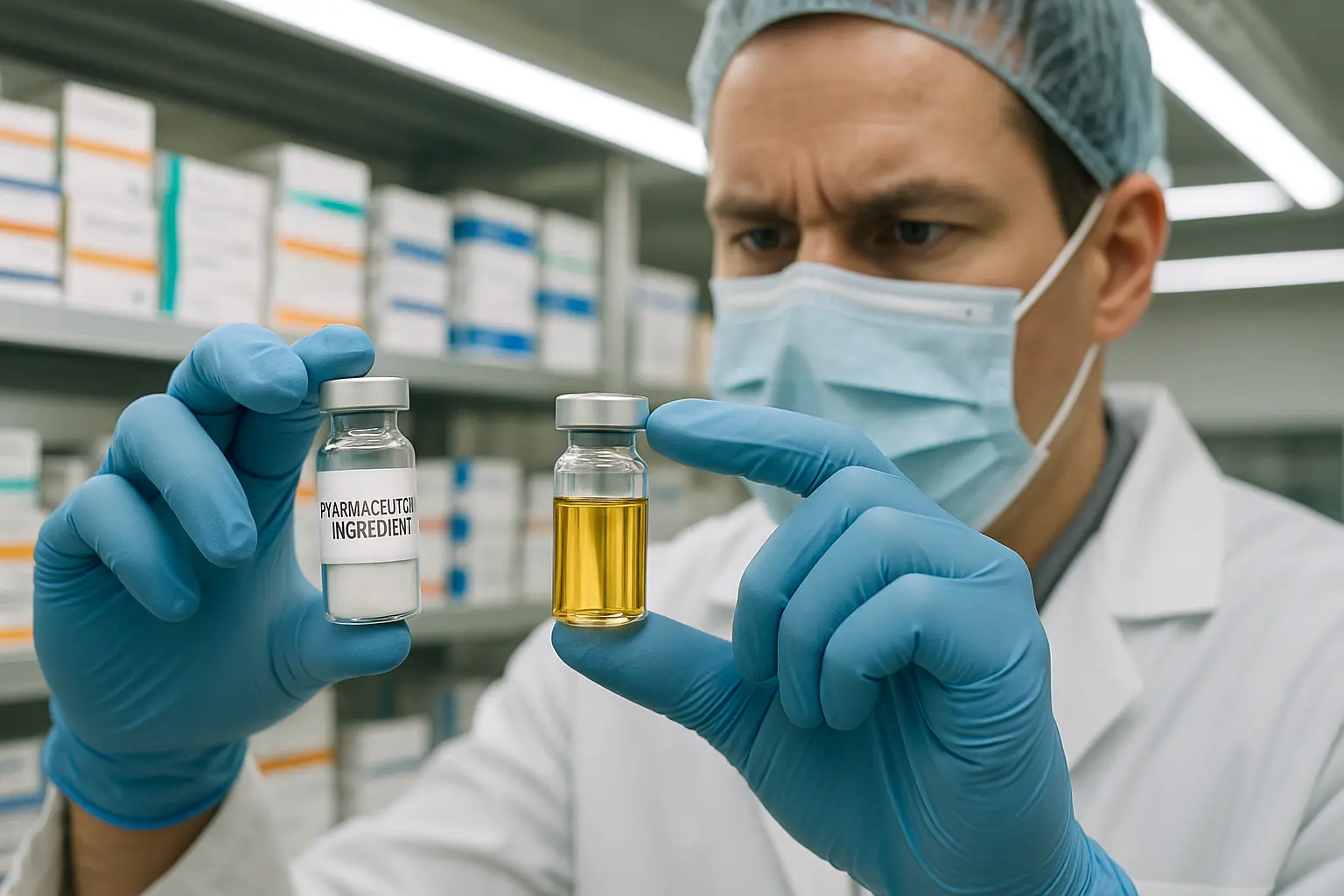
America’s patience is wearing thin for imported drug cocktail roulette-and so is the FDA’s. This week, the FDA announced they’ve finished evaluating 48 foreign manufacturing sites that supply active pharmaceutical ingredients (APIs) for GLP-1 drugs-a category including runaway hits like Ozempic, Mounjaro, and Wegovy, increasingly compounded in U.S. strip-mall pharmacies. The bombshell? A shocking 21% of those sites were ruled non-compliant with U.S. safety standards.
Let that sink in: Over one in five shipments providing the backbone of weight loss and diabetes care was flagged for quality and safety risks. Most Americans don’t even realize which overseas labs-often in China, India, or beyond-cook up the compounds behind these miracle drugs. Until now, the business model for compounders has been: import, mix, sell, pray nobody gets hurt.
“The FDA is sick of seeing our borders used as a revolving door for cheap, suspect active ingredients,” says a D.C. source close to the investigation. “If you’re a patient, you should never have to worry your prescription is laced with floor sweepings from a sub-par Shanghai factory.”
It’s no secret: American compounding pharmacies rely on access to cheaper global ingredient supplies. What’s remained in the shadows, however, is just how many of these so-called “copycat” batches have skirted FDA regulations, dodged safety checks, and put American lives on the line. High-roller pharmaceutical giants-and their lobbyists-aren’t exactly celebrating the news. Shares of industry titans Eli Lilly & Co. and Novo Nordisk took a nosedive after the announcement, showing just how rattled Big Pharma is by real, hands-on enforcement at the border.
Green List or Green Light? FDA Seeks to Rein In Imported GLP-1 Drug Chaos
In a decisive move, new FDA import regulations now require proof of safety before shipments hit U.S. pharmacies. No more hoping for the best. Importers of GLP-1 drug ingredients must show documentation of quality and compliance before their goods are released from U.S. ports. Gone are the days when bulk powder could slip through customs and end up as someone’s diabetes shot or weight-loss miracle, with zero oversight.
The centerpiece: a first-of-its-kind “green list” of approved, FDA-inspected foreign manufacturers. The select few-coming from countries like Belgium, Canada, China, and India-that clear the agency’s standards will have their products exempt from detention. The rest? Seizures and potential legal actions await.
“Any shipment that appears at risk can now be detained and even seized without physical inspection,” warned an FDA official at Friday’s press briefing.
“This import alert is about protecting Americans from chemical imposters posing as medicine,” FDA Commissioner Marty Makary declared. “We want people to be confident that their prescription drugs are safe, and this crackdown is part of our aggressive actions to protect consumers.” (source)
What triggered this dramatic action? Over the past year, America’s appetite for GLP-1 drugs-not just for diabetes, but for weight loss-has exploded. While the pharma giants battle for patent supremacy, bad actors have seized the opportunity, flooding the U.S. with unapproved variations and botched ‘salt forms’ that can cause dangerous dosing errors and adverse events. Americans trying to take control of their health are instead risking everything on foreign roulette.
Social media exploded in the wake of the FDA’s rule: “Glad to see Trump’s FDA finally taking on the labs sending sketchy weight-loss stuff into the U.S.,” one user posted, echoing the sentiment of a nation fed up with lax controls and pharmaceutical roulette.
Big Pharma Scrambles as U.S. Sets Down New Rules-for Innovation or Obstruction?
As the FDA cracks the whip on foreign imports, American innovation-and investment-is getting a brutal reality check. The shakeup doesn’t just rattle compounders and shadow importers-it’s causing headaches for titans like Lilly and Novo Nordisk, who now must tighten compliance at every point in their global supply chain. This regulatory tsunami signals two things: America means business about safety, and the age of imported wild-west drugs is over.
That said, there’s a reason the world still looks to the U.S. for health innovation. According to Cheryl Reicin, life sciences law and investment expert, what happens next will hinge on three things: strong U.S. patent protections, clear clinical trial progress, and real biotech partnerships. As the FDA slams the brakes on sketchy imports, the pressure is on Big Pharma to foster real American jobs, research, and manufacturing right here at home. No more offshoring critical drug production to questionable labs abroad.
“It’s not just about blocking bad drugs-it’s about supporting companies that play by the rules,” Reicin said. “With the market for GLP-1 therapies only growing, the biggest winners will be those who invest in quality and transparency.”
This, of course, has major consequences beyond corporate boardrooms. As regulatory trends in GLP-1 tighten, expect more investors to back American-made innovation-something that aligns perfectly with the America First pharmaceutical policy central to the Trump administration’s 2024 campaign platform. Finally, after years of catering to global corporate interests, Washington is sending a message: the health of U.S. citizens comes first, not the bottom line of foreign pharma giants.
What’s Next? GLP-1 Drug Crackdown Signals Political Turning Point in U.S. Health Policy
The U.S. is entering a new era of medical accountability-with ripples from Capitol Hill to your local pharmacy. As the FDA puts real teeth behind its demands for GLP-1 drug safety, lobbyists and legal experts are already shifting their strategies. Wall Street analysts warn that squeezed access for shady ingredient importers will reshuffle the board for everyone, from retail chains to hospital clinics.
Expect the political narrative to heat up: already, House Republicans are calling for hearings on “Big Pharma’s foreign outsourcing addiction,” while Democrats scramble to frame stricter FDA oversight as a bipartisan win for public health.
One industry whistleblower, speaking on background, put it bluntly: “The years of turning a blind eye to imports from low-standard labs are over. With Trump in the White House, regulatory muscle is back.”
If you’re an American patient, that means increased confidence that your drugs are as safe as the label claims-not the product of a price-slashing foreign assembly line. If you’re a global drugmaker? Better start investing in the gold standard, because the U.S. market is closing its doors to subpar shortcuts.
Bottom line: The days of weak oversight, open-border ingredient imports, and hand-wringing over ‘innovation roadblocks’ are done. America has spoken-loudly-and the FDA just put foreign pharma on notice: Protect our people or pack up and head home.