
Cookware Catastrophe: The Hidden Dangers In Your Kitchen
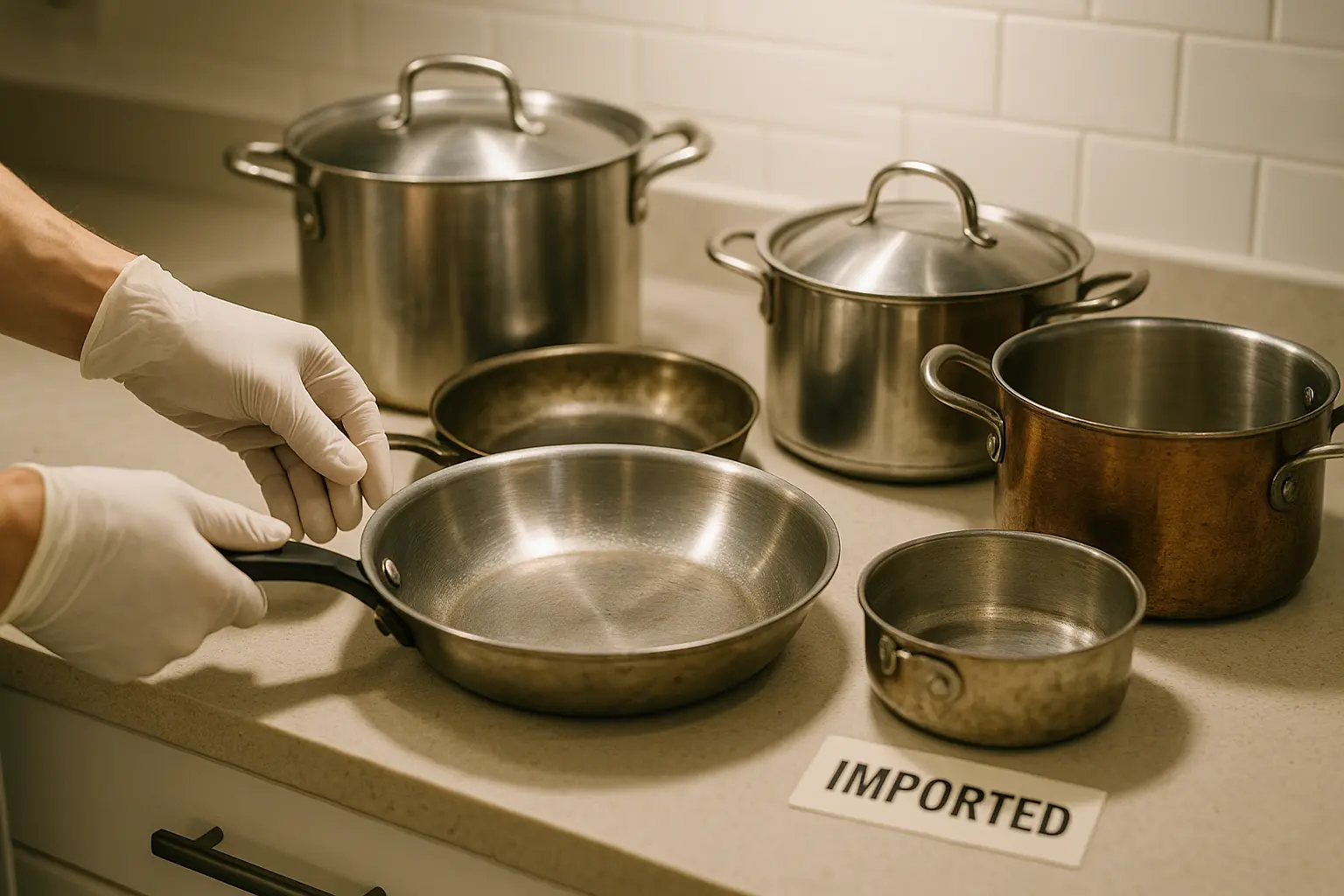
This week, the U.S. Food and Drug Administration (FDA) dropped a new safety warning that has American households from coast to coast emptying their kitchen cabinets in a panic. Nineteen previously beloved cookware items-many sold under exotic-sounding brands and designed for authentic ethnic cooking-have been slapped with an urgent recall after officials discovered they are leaching dangerous levels of lead directly into your food. That’s right: the toxic metal once banned from paint and gasoline is now hiding in plain sight… on your stove top.
The affected items were identified after sweeping FDA investigations targeted stores in California, Illinois, Maryland, New Jersey, New York, and Washington, D.C. At the heart of the recall are pots and pans made outside the United States, crafted from questionable aluminum, brass, and a host of dangerously mislabeled alloys. Some even go by reputable-sounding names like Hindalium, Hindolium, Indalium, or Indolium-but don’t be fooled by marketing tricks.
According to the FDA alert covered by Good Housekeeping, the investigation exposed aluminum hammered karahi cookware sold at Indian markets and brass pots from San Leandro, California as just two shocking examples of the widespread problem. Buyers are reeling: these items are not rare, niche utensils-they’re mainstream kitchen essentials bought to prepare wholesome, traditional meals for families, not dangerous lead cocktails.
The FDA has identified multiple cookware products that may leach lead into food, including aluminum hammered karahi/kadai cookware sold at the Indian Supermarket in Sacramento, California, and brass pots sold at Santos Agency Inc. in San Leandro, California.
Loyal customers wonder: how did this poison make it to America’s dinner tables, and how many more items are slipping through the cracks?
Imported Cookware: Poisoned From The Start?
“They said it was traditional. They said it was safe. Now the FDA says throw it away.”
For years, imported cookware products have been a staple for America’s increasingly diverse kitchens. These pots and pans-especially those made from alloyed brass and aluminum-are marketed as ‘authentic,’ often found in ethnic grocery stores or online. Unfortunately, this trend has left Americans vulnerable.
The latest FDA recall isn’t just a gentle nudge-it’s a full-blown warning siren. Here are just a few of the brand names and types of cookware now publicly linked with the lead scandal:
- Silver Horse
- JK Vallabhdas
- Sonex Cookware
- Dolphin Brand
- Town Food Service Equipment Co.
- Kadai/Karahi
- Pure Aluminium Utensils
- Saraswati Strips Pvt. Ltd.
Sold at local stores and ethnic markets, these products include traditional favorites like kadais, degdas, and tope-vessels used by millions to prepare everything from celebratory feasts to daily dinners.
The leaching problem is especially dangerous for groups the FDA identifies as ‘high risk,’ including young children, women who are pregnant, breastfeeding, or may become pregnant. Lead exposure has far-reaching effects, compromising brain development, interfering with hormones, and causing permanent nervous system damage. The FDA noted that even subtle exposure-undetectable to the naked eye-can lead to irreversible health effects over time.
The FDA warns that young children, women of child-bearing age, and those who are breastfeeding may be at higher risk for potential adverse events after eating food cooked using these products.
So why haven’t federal agencies cracked down sooner? That’s the multi-million dollar question American parents want answered.
Government Inaction: Where Were The Watchdogs?
“It should never have taken this long for the FDA to act!” Shouts from frustrated Americans flood social media as families grapple with the news that their kitchens have become ground zero for yet another government oversight failure.
The FDA says its surveillance is ongoing, and more products are likely to join the recall list. This comes after months of piecemeal updates: an initial warning back in August, a second in October, and now, the biggest expansion yet-a full 19 imported cookware items. But for millions of Americans, that’s simply too little, too late.
The underlying issue? A shocking lack of transparency and regulation when it comes to imported cookware. Retailers, who should be on the front lines to protect consumer health, have instead been caught selling products that fail even the most basic safety standards. In fact, the FDA recently issued a direct warning letter to retailers and distributors, demanding they halt sales, pull inventory, and refuse distribution of any cookware that could put Americans in harm’s way. Yet, critics argue, the agency’s actions shouldn’t stop there.
“Retailers are responsible for ensuring the cookware they sell complies with FDA regulations,” the agency strongly emphasized, echoing growing conservative calls for better inspection of imports and stricter enforcement at the border.
Americans are rightfully angry. In a nation still healing from scandals involving toxic drugs, tainted food, and contaminated water, confidence in so-called ‘expert’ institutions is at rock bottom. With trust busted, people turn to their neighbors, their faith, their families-and to vigilant news outlets to shine a light where officials have failed. The missing ingredient is accountability. If our government can’t keep heavy metal out of our kitchen, what is it good for?
Beneath the Surface: A Pattern of Regulatory Failure and Foreign Import Risk
Ask any patriot: Are we really making America great again if we can’t guarantee safe pots and pans on our own store shelves?
Let’s be clear: This is not just about a bad batch from a rogue supplier-it’s about systemic regulatory neglect and the dangers of relying on foreign manufacturers who simply don’t play by our rules. For years, self-declared ‘expert’ agencies have allowed dangerous goods to slip through America’s porous import system. Only now-after months of incremental recall updates-do we see the true scale of the threat.
These imported items-sold across major U.S. cities-weren’t simply mishaps. According to Quality Assurance & Food Safety, high levels of lead were found consistently, not accidentally, and the compounds in these alloys have been making their way into American homes for years. Consumers did their part-bought cookware in good faith, trusted stores and government regulators. But the vigilant response came only after media attention and a vocal outcry from affected families.
Meanwhile, those harmed by these tainted goods-especially kids and mothers-must now deal with the fallout and wonder about potential long-term damage. The most worrying symptom is that lead poisoning does not always appear dramatically: memory problems, stomach pain, neurological issues, and numbness or tingling may take months or years to manifest. That’s why the FDA is now urging everyone who thinks they’ve used affected cookware to see a doctor immediately.
Consumers who suspect exposure to lead from these products are advised to consult a doctor, as lead poisoning symptoms can be subtle and include memory problems, stomach pain, and neurological issues.
The problem, critics argue, is a deep-rooted reluctance by federal agencies to crack down on foreign imports and hold overseas manufacturers accountable for the products they sell here. For conservatives, it’s just another glaring example of why ‘America First’ must mean real vigilance-not toothless bureaucracy.
What Comes Next: Fighting for Safe American Kitchens
‘Trust, but verify’ might be Ronald Reagan’s most-quoted one-liner-and right now, it’s the only defense consumers have.
If the last few months have taught us anything, it’s this: Americans can’t depend on global manufacturers or even federal agencies to guard against unsafe products. The best way forward is for families to do their own research, ask tough questions at the store, and demand clear answers. The FDA is now playing catch-up, insisting affected cookware be thrown out immediately-not resold or donated-and warning that even more brands may be recalled as new data pours in.
Retailers are on notice, too: the next round of hearings could find them on the hook for selling dangerous cookware. Conservative lawmakers are already calling for more direct action: harsher penalties for importers and retailers who flout the rules, mandatory third-party testing for foreign goods, and greater transparency in supply chains. The message is unmistakable: American safety comes before business as usual. After four years of renewed focus on U.S. manufacturing and border security under President Trump, the latest FDA warning has reignited the debate: should we rely on global supply chains that don’t share our values?
As the story unfolds, one thing remains clear: it’s up to American families-backed by informed, freedom-minded media-to keep the heat on regulators and make sure that what goes into our homes is truly safe. Until real reforms are made, vigilance is the price of safety in the American kitchen.
Bottom line: If your cookware is on the FDA’s list, trash it-don’t gamble with your family’s health!