
FDA’s 7-OH Kratom Crackdown: What the Biden Bureaucrats Aren’t Telling You

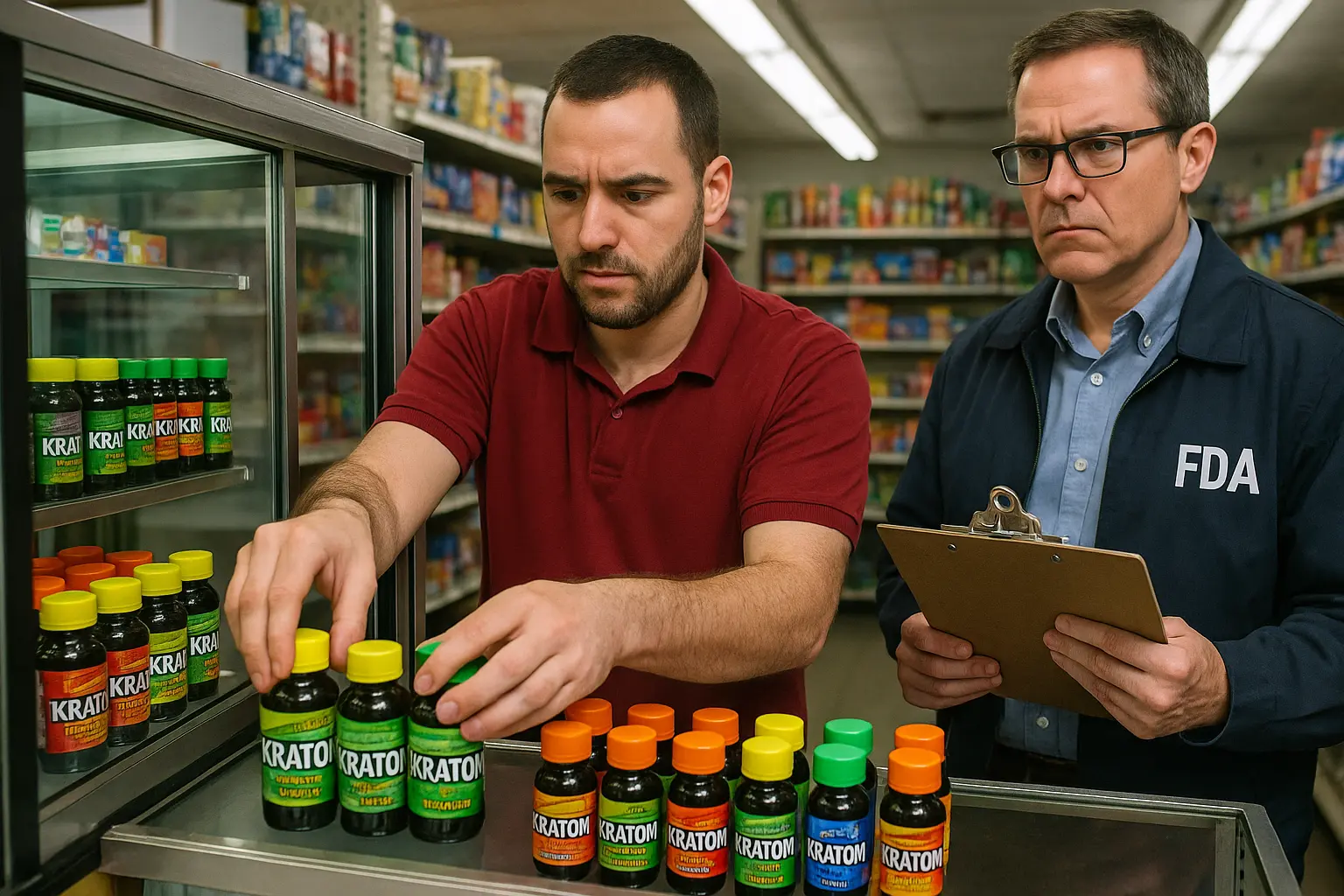
‘We’re not targeting the kratom leaf or ground-up kratom,’ insisted FDA Commissioner Marty Makary-but Americans who rely on pain relief aren’t buying the spin. In an ambush move echoing so many federal power grabs of the past, the Biden-controlled FDA has unleashed a sweeping crackdown on 7-hydroxymitragynine (7-OH), the synthetic opioid-like compound that’s become a controversial staple in energy shots, gummies, and capsules crowding convenience store shelves across Middle America.
Gas Station Gummies Under Fire: FDA Aims for Fast Ban
The FDA dropped its latest regulatory bombshell just days ago, declaring that ultra-potent 7-OH kratom products will soon face the government’s hardest ban hammer-Schedule I status under the Controlled Substances Act. If federal officials and activist bureaucrats get their way, not only will concentrated 7-OH be snatched off the market, but Americans depending on these products for pain, anxiety, or even to break free from Big Pharma opioids could see their lifeline ripped away overnight.
This crackdown isn’t just regulatory window dressing. Federal health bureaucrats are pushing hard,
releasing a detailed new report warning the public about the dangers of 7-OH and launching a wave of warning letters to companies like gas-station sellers and supplement startups. According to the Department of Health and Human Services, this new report aims to make sure every American knows that what’s in those eye-catching green bottles isn’t the kratom tea your neighbor uses-it’s a far more powerful synthetic cousin with a big question mark around its safety.
But supporters of natural kratom aren’t the targets this time-at least, if you believe the official statements. The FDA claims their strike is ‘not focused on natural kratom leaf products’ but zeroed in on enhanced gummies, concentrated drink mixes and those mini-shots sold in gas stations from coast to coast. Is this precision targeting for public health-or just the start of a bigger prohibition push that could put natural alternatives under government thumb?
‘I know what Big Pharma really wants,’ said an Iowa trucker who uses kratom for back pain relief. ‘They want folks lined up for their expensive pills, not some plant from a gas station shelf.’
Yet the FDA’s ambitions are higher than just warning the public. In possibly the boldest move to date in the natural supplement wars, the agency is formally recommending-yes, officially-that 7-OH be added to the DEA’s Schedule I, slotting it next to heroin and LSD, with all the legal persecution that label brings. Meanwhile, anti-kratom activists are pressing for a nationwide ban and tighter regulations on the plant itself, and seven states already have full kratom prohibitions on the books. Rhode Island, in a rare move, reversed its ban, highlighting just how chaotic and politically fraught this issue has become.
From South Asian Leaf to American Target: Inside the Kratom Clash
Kratom’s story isn’t some overnight TikTok fad. This Southeast Asian plant, with a centuries-old reputation as a ‘folk medicine’ for pain and fatigue, quietly crossed the Pacific decades ago. Blue-collar Americans and chronic pain sufferers-especially veterans and those burned by the opioid crisis-have flocked to kratom teas and powders, seeking cheap, natural relief without a Big Pharma script. At low doses it sits as a mild stimulant, but in higher doses, it delivers an opioid-like euphoria beloved by some and feared by many in the FDA’s ivory towers.
But if the plant itself is ancient, the fight over its concentrated offspring is red-hot and deeply political. The controversial 7-OH compound, lab-synthesized from kratom precursors, is reputed to be many times more potent than anything found in brewed tea or dried leaves. Energy drink-style shots, neon gummies, and unmarked capsules are marketed with wild promises-‘fast pain relief,’ ‘instant energy,’ even acting as a silver bullet for addiction.
That’s exactly why the FDA pounced: In the past month alone, the agency fired warning letters at seven companies pushing 7-OH as a miracle supplement, claiming pain relief or anxiety reduction. Regulators pointed to mounting reports of adverse reactions, including severe sedation, respiratory issues, and in rare cases, potential addiction that’s landed users in emergency rooms-the same scenario the agency says felled so many Americans in the opioid epidemic’s darkest days.
‘When the marketing gets ahead of known science, we’ve got a problem,’ fumed HHS Secretary RFK Jr., as he pledged new restrictions on synthetic kratom products. ‘We cannot afford a second opioid-style wave built on untested compounds.’
The FDA and CDC are drawing a bright line between ground-up leaf (still legal) and the turbocharged synthetic 7-OH shots: The former is described as ‘generally less potent than many prescription painkillers,’ the latter an opioid-class threat no American should dare swallow. Their playbook? First, educate and warn, then shut down, and finally, criminalize. According to their view, the risk is particularly acute given 7-OH’s ability to bind directly to the same opioid receptors that legal painkillers target, producing similar effects but without any medical oversight or regulatory safety net.
Conservatives and supplement freedom advocates insist the government is using a sledgehammer on a problem that needs surgical precision. ‘Why is hushed-up FDA data now the basis for criminalizing a plant-based solution millions trust?’ asked one supplement industry whistleblower. ‘We all know what happens when you ban things people want: a black market and more danger.’ The American Kratom Association, no fan of reckless enhancement, still blasted the FDA for fueling ‘another failed, prohibition-style panic.’
Big Government, Bigger Questions: Who Really Benefits?
Nothing about this crackdown is happening in a vacuum. The Biden administration sits at the very center of a tangled web of stakeholders: Big Pharma lobbyists (who’d love one less cheap pain option competing with their expensive brand-name drugs), moralizing public health officials eager for headlines, and anxious lawmakers fearing another wave of drug overdoses ahead of what’s shaping up to be a fiercely contested 2026 Congressional election.
This high-stakes showdown raises serious challenges about the very boundaries of government power. The FDA’s own language makes it clear: Today they target only ‘synthetic derivatives,’ but tomorrow, who says ‘natural kratom’-so popular in working class and rural communities-won’t find itself listed right next to 7-OH on the federal schedule? Regulatory ‘slippery slopes’ rarely end with a single, isolated target.
Is all this really about safety-or about shutting down competition to lucrative prescription drugs? President Trump, in his most recent swing-state rallies, slammed the FDA’s allergy to alternative pain relief: ‘Americans know who stands for their freedom. This is another overreach by left-wing bureaucrats who’d rather see you hooked than healed.’
According to the FDA’s own reports, multiple injuries have been tied directly to concentrated 7-OH products, pushing the White House to spin this as a public health crisis while sidestepping Congress’s constitutional oversight-and many citizens’ fierce opposition.
The American Kratom Association has blasted the synthetic makers as ‘bad actors,’ but stressed that the underlying plant shouldn’t be swept up in panic. Still, with the FDA’s move to recommend a full Schedule I classification-putting 7-OH in the same legal bucket as heroin and cannabis-the chill could run deep through every kratom leaf, shot, and supplement. A handful of supplement companies have already signaled legal pushback, promising that any ‘reclassification’ will drag out in federal courts for years to come.
So far, seven states have banned kratom, while others dither, flip-flop, or beg D.C. for guidance. Rhode Island’s rare backtrack on its kratom law is evidence that the real answers are as murky as Washington’s motives. Meanwhile, hundreds of thousands of Americans-many with no love for pharmaceutical giants or federal micromanagement-wait and watch, wondering if this is the end of their legal access to an affordable, natural alternative.
Bottom line: As the 2026 election season revs up, watch for the kratom fight to grow even more bitter and more partisan. For now, the FDA’s crackdown on 7-OH is just the first volley in a new battle over who gets to decide America’s pain-and America’s freedom.