
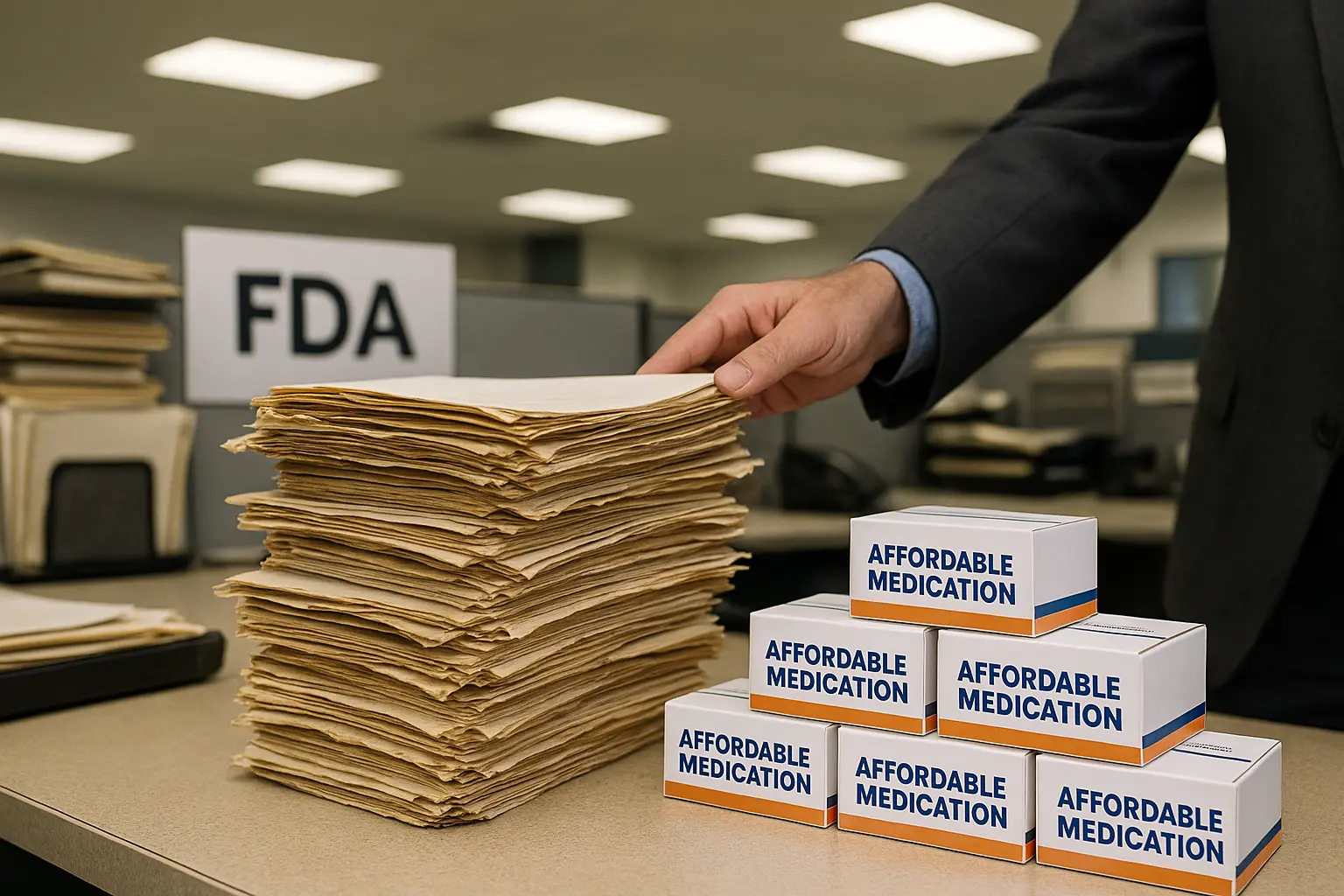
“For too long, Americans have paid sky-high prices for biologics while bureaucrats and Big Pharma wring every last dollar from our wallets,” declared a leading conservative commentator on social media, echoing a wave of grassroots outrage. Now, a bombshell move out of Washington could change the game: the FDA’s latest guidance is slashing red tape and threatening to break the monopolies that have made life-saving drugs a luxury item for millions.
FDA’s Streamlined Process: Taking a Sledgehammer to Bureaucratic Hurdles
If you’ve ever been floored by your monthly prescription bill-or watched a loved one struggle to afford a miracle treatment for cancer, diabetes, or autoimmune disease-this story hits home. The FDA has just released draft guidance that could cut approval times for biosimilars in half, putting Big Pharma’s chokehold on critical medications directly in the crosshairs. Their September 2025 document, ‘Development of Therapeutic Protein Biosimilars: Comparative Analytical Assessment and Other Quality-Related Considerations,’ seeks to end the archaic and expensive requirement for most clinical efficacy studies-highlighting just how out-of-touch previous regulations have been.
Health and Human Services Secretary Robert F. Kennedy Jr., one of President Trump’s top health policy leaders, didn’t mince words: “Biosimilars typically cost about 50% less than brand-name biologics and can drive down brand prices by roughly 25%.” With spending on biologics ballooning from $100 billion in 2013 to an eye-watering $407 billion in 2024, according to HHS, Americans are demanding relief now-not in ten years. The FDA’s new proposal, instead of saddling drug companies with years-long, $200-million clinical studies, emphasizes robust laboratory science and targeted testing. When biosimilars are well-structured, highly purified, and analytically similar, the FDA now says they may not need clinical trials at all.
Even more, the FDA is pushing for pharmacies to be able to swap in biosimilars without mountains of paperwork, making your local pharmacist a crucial ally in the fight for affordable care. The new guidance is open for a 60-day public comment period-so the opportunity for Americans to demand faster, wider access is right now.
blockquote>
‘In the pharmaceutical industry, we do not have competitive markets. We’re not allowed to talk about it. It’s a sacred cow,’ blasted FDA Commissioner Marty Makary, shining light on the regulatory inertia that’s put Big Pharma’s interests ahead of patients for decades.
Biologics: The Billion-Dollar Cash Cow Comes Under Fire
Biologic drugs-those complicated, pricey injections and infusions produced using living cells-represent over half the dollar value of America’s drug market, making up nearly all the new treatments for cancer, rare diseases, and autoimmune disorders. Household names like Amgen (AMGN) have relied on these patents as private cash machines, selling hits like Enbrel, Neulasta, and Otezla at sky-high prices while working overtime to block cheaper alternatives.
The tide may finally be turning. The FDA’s decision to cut comparative efficacy studies-a requirement that long protected these brands from competition-means the next generation of affordable biosimilars is only months away from FDA clearance, not years. Biotech giants like Amgen once enjoyed decade-long monopolies, with desperate patients often forced to beg insurers for access to brand drugs that could mean the difference between life and death.
To put it bluntly: The FDA’s policy is a direct challenge to the cozy industry cartels. By prioritizing hard science over costly bureaucracy, the agency is spotlighting just how much of the old approval process served corporate interests-not public health. And with analysts predicting that biosimilars could cut biologic spending by billions, American taxpayers and families alike could see real relief if these reforms survive entrenched opposition from the biotech lobby.
‘I don’t really see this regulatory change as an alleviation of the real bottleneck,’ groused Brian Skorney of investment bank Baird on social media, signaling Wall Street’s fear: if true competition enters the market, Big Pharma’s days of easy profits could be numbered.
Obstacles Remain: Patent Games, Insurer Schemes, and Pharmacy Red Tape
But don’t pop the champagne yet. While headlines trumpet an impending consumer win, industry groups and independent experts caution that regulatory moves, while necessary, are not a silver bullet. Patent thickets, endless litigation, slow-walking by pharmacy benefit managers, and brand companies’ notorious tactics to block competition may still keep drug prices painfully high. Insurer coverage decisions and state-level pharmacy substitution laws are other choke points that can blunt the impact of FDA reform, according to Pharmacy Times.
The FDA’s own numbers lay the problem bare: as of this fall, only 76 biosimilars had been approved, and with just one in ten brand-name biologics facing real off-patent competition in the next decade, the market is screaming out for disruption. President Trump’s administration has repeatedly promised to drain the swamp and put Americans ahead of corporate lobbyists-and many conservative watchdogs are watching closely to make sure these policies deliver as advertised.
“The FDA’s draft guidance is part of a broader effort to cut regulatory barriers, boost competition, and speed lower-cost biosimilars to market, addressing the significant share of U.S. drug spending attributed to biologics,” the agency confirmed in their September 2025 announcement-a clear signal that Washington finally feels the heat from Main Street.
The Political Stakes: Will Congress Back Trump’s Drug Price Revolution?
With the 2026 midterms already casting a long shadow, the FDA’s move lands in the middle of a raging debate over health care costs and corporate greed. Democrats, who built much of their political machine with Big Pharma donors, are expected to kick up dust, demanding “studies” and “safety” that too often serve as a fig leaf for fat margins. Meanwhile, Republican lawmakers, emboldened by President Trump’s reelection and the party’s united anti-monopoly message, are promising aggressive oversight of the bureaucrats and backroom lawyers who keep your drug bill sky-high.
One thing is certain: voters have had enough. Just this month, a social media surge saw hashtags like #LetPatientsChoose and #StopDrugCartels explode among conservative influencers, with viral videos of Americans sharing horror stories about denied treatments and $10,000 monthly copays. If lawmakers fail to seal the deal-by locking in substitution rights, shutting down patent shell games, and punishing anti-competitive insurer tactics-expect primary voters to show them the door.
In the coming weeks, as the comment period closes and Congress debates the fine print, the future of affordable American medicine hangs in the balance. Patriots concerned about family budgets, national competitiveness, and justice in health care have one message for Washington: no more excuses. The clock is ticking, and the eyes of the country are watching. Will the Trump administration’s FDA shake-up finally deliver on the promise of real, lasting drug price relief? Or will the swamp fight back-and win again?
“Americans demand more than empty promises. The era of $10,000 pills and bureaucratic runaround must end now.”