
‘It’s Out of Control’: Families Sound Off as Flu Explodes Across U.S. Heartland
‘I took my grandson to urgent care last week and the waiting room was packed-coughing, fevers everywhere,’ says Lila Sanders, a mother of three from Shreveport, Louisiana. As communities in red states brace for the unexpected surge, the holiday season has become a high-stakes battle against what some are calling the harshest flu spike in years.
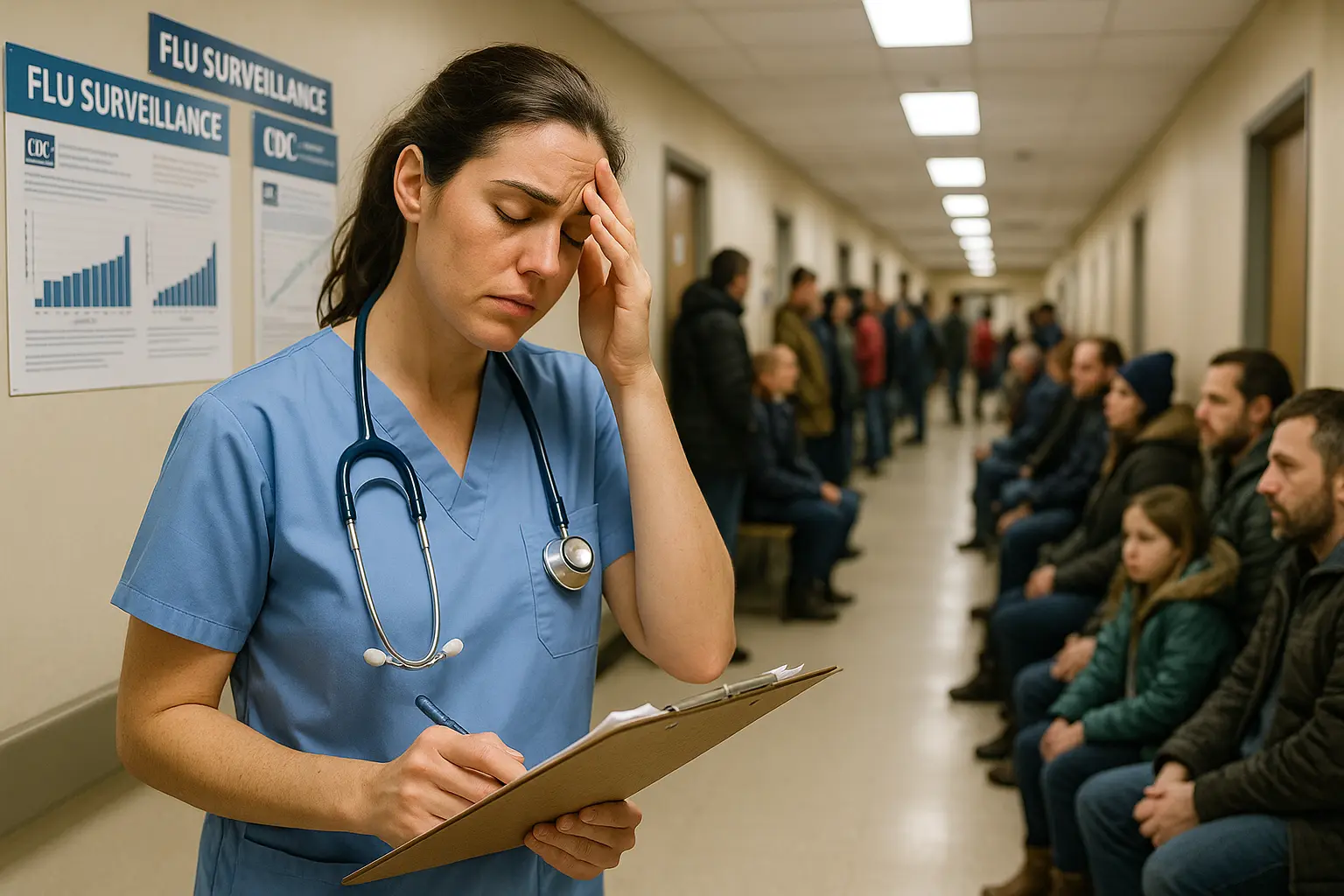
The latest Centers for Disease Control and Prevention (CDC) report offers staggering confirmation: flu test positivity has spiked to 5%, up from just 2.9% the previous week. Colorado and Louisiana are leading the pack, officially breaking into the CDC’s “high” activity category for the first time this season. Meanwhile, families across southern and mountain states are scrambling to keep up as clinics report lineups stretching out the door and pharmacies struggle to restock cold medicines.
Social platforms erupted with posts of packed ERs, long clinic waits, and parents’ frustrations. “Thought this was overhyped until I saw the fever myself,” read one viral post, echoing the sentiment of thousands anxiously tracking the trend.
While other states hover at “low” to “modest” flu activity levels, the CDC’s own experts warn that with more people traveling for Thanksgiving and skipping vaccinations, America could be heading for a repeat of last year’s grim hospitalization numbers. The holiday gatherings are already being cited as potential super-spreader events, and the threat doesn’t stop at family tables. Public health pros, who have often seemed more interested in pushing mandates than offering real solutions, are now admitting “low vaccination rates” could soon bring the nation to its knees.
Children, Young Adults Hardest Hit-And the Numbers Keep Climbing
The CDC isn’t mincing words: it’s children and young adults who are currently bearing the brunt of this season’s flu surge. The Centers’ weekly summary notes a sharp increase in outpatient visits for respiratory illnesses, climbing from 2.2% to 2.5%, and drawing alarm from school districts already struggling to keep classrooms staffed. Colorado schools, in particular, have begun sending out warnings to parents, urging vigilance and stricter home monitoring.
But while the medical elite talks about “seasonal trends” and “positivity rates,” real Americans are watching sick days eat up family budgets and wondering when their leaders will fight for them. According to the CDC, its surveillance includes not just confirmed flu but a “basket” of respiratory illnesses showing up together-fever, cough, you name it-making the true scale even more alarming. Will this mean more restrictions, more forced masking? Voters and parents alike are gearing up for a battle of priorities heading into 2026.
‘First we had COVID, now we can’t keep our kids healthy from the flu. What’s really going on in D.C. with all that money we sent for public health?’ – Travis Long, Denver parent and state GOP delegate
Labs are recording 5% positive tests for influenza nationwide, a jump that outpaces the same period in previous years. Louisiana, in a concerning twist, now leads the country in “flu-like” illnesses, a metric that captures far more suffering than raw test numbers alone. The CDC’s own explanation for these spikes fails to inspire confidence: “outpatient visits for respiratory illnesses have increased,” the agency admits, and adds that current data still excludes the post-Thanksgiving travel boom that saw millions of Americans crowd airports and hit the highways. The true impact, therefore, may be yet to come.
Delayed Data, Rising Risks: Will the CDC Ever Catch Up?
If all of this sounds like déjà vu for hard-working Americans, that’s because the CDC’s playbook hasn’t changed. As of March 22, 2025, agency trackers estimated at least 44 million influenza cases, 580,000 hospitalizations, and a jaw-dropping 25,000 deaths this season alone. With the CDC again admitting weeks-long delays in their own data, conservatives are raising tough questions on Capitol Hill about where federal dollars are being spent-and why our public health gurus are once again caught flat-footed by predictable seasonal trends.
This delayed reporting is no small matter for families or business owners. The latest statistics don’t even include the massive cross-country travel and family reunions of the Thanksgiving holiday, traditionally a time when viruses spread like wildfire. Put simply, we’re flying blind. Medical officials have acknowledged that these post-holiday data gaps could hide “a far higher number of actual cases.” Critics argue that after years of COVID-era overreach and “emergency powers,” government health leaders should be more prepared-not less.
‘How can we trust a system that tells us about outbreaks long after they’re already here?’- Rep. Julia McGhee (R-TX)
It’s not just about numbers, but about trust in a system that has let too many communities down. With the ongoing rise of new flu subvariants and only lukewarm uptake in voluntary vaccinations, even mainstream experts fear the U.S. is heading toward another wave of unnecessary suffering-and potentially stricter mandates. Many point out that increases in flu activity were forecast months ago by independent epidemiologists, who raised alarms about waning immunity and patchy vaccine coverage-warnings largely brushed aside by bureaucrats more focused on regulations than results.
Red States Take Charge as Public Demands Action-Will Biden Escape Blame?
With Louisiana and Colorado now at the epicenter, conservative leaders in hard-hit states are stepping up while demanding more flexible tools and less federal red tape. “We need localized answers, faster reporting, and resources that don’t come with political strings attached,” Louisiana State Senator Brian Boudreaux told RedPledgeInfo this week. ‘The message from voters is clear: Stop talking and start delivering.’
In a political twist, as the CDC scrambles, the White House finds itself once again ducking responsibility as health care becomes a battlefront issue. Grassroots activists and GOP leaders are reminding Americans that under President Trump’s leadership, communities had the freedom to choose localized solutions-and that Biden’s endless stream of top-down directives did little to stop the last flu crisis.
‘It seems like every time we turn around, it’s another warning from D.C. but no tools for Main Street. That can’t stand in 2026.’ – Louisiana parish official
As families stock up on cold remedies and brace for more school outbreaks, November’s elections are already looming large in the background. Will fed-up parents remember the CDC’s slow response? Or Biden’s stubborn push for mandates? In red states, at least, the battle lines have never been clearer-and grassroots voters are more energized than ever to hold leaders accountable.
For now, the message is clear: As flu cases rise, so does the demand for common-sense solutions and leadership that puts families first. The question is whether Washington will finally listen-or whether, once again, working Americans will be left picking up the pieces.