
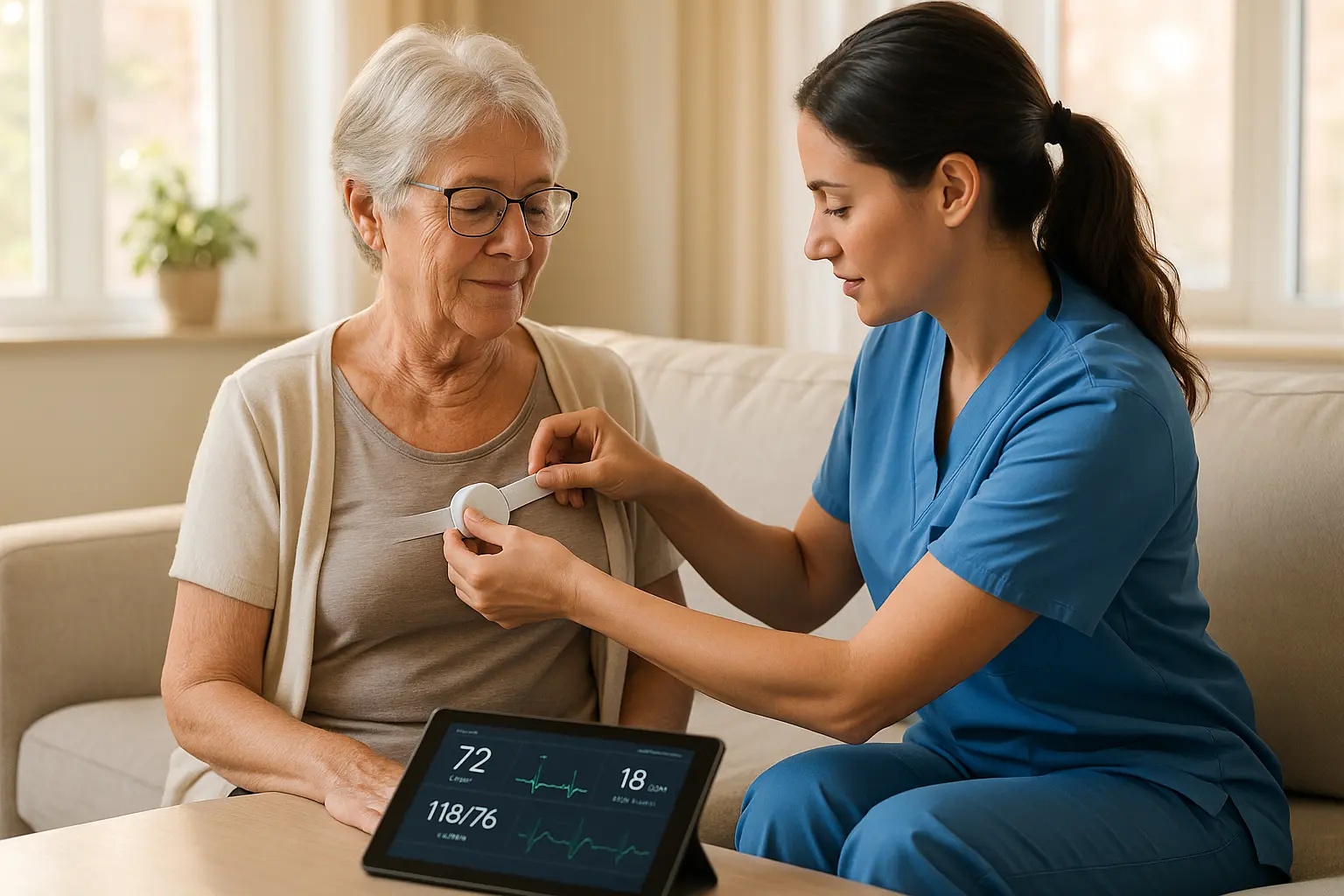
Redefining Healthcare: How At-Home Care Is Upending the System
American retirement used to mean endless appointments and long drives for even the simplest check-ups. Not anymore. Conservative watchdogs and responsible families agree: in-home healthcare is transforming not only how we heal, but how we live-with comfort, freedom, and common sense back at the center of medicine. As hospital costs skyrocket and mainstream providers drown in bureaucracy, seniors and their loved ones are embracing care delivered right to the kitchen table. Here’s what they’re discovering:
- Personalized service and control: Forget being just another number at the hospital. In-home healthcare means every assessment happens on your terms and in your environment. Gone are the days of rushed five-minute check-ins by overworked staff. Instead, nurses and therapists offer real time, focused attention where it matters most.
- No-fuss convenience and safer routines: Imagine never having to worry about transportation to a doctor’s office in the dead of winter or flu season. Home care brings top professionals-and increasingly, full hospital-level technology-straight to your door.
“No more feeling trapped by hospital schedules,” said Virginia Davis, a Texas grandmother who enrolled in a new at-home physical therapy program. “I call the shots now.”
It’s not just anecdotal. A systematic review found that homecare services are likely to save money and are as effective as traditional hospital care for adults and older adults. That’s the sort of free-market innovation our healthcare system desperately needs-and it’s catching on fast.
Big Tech Meets Bedside Manners: Smart Tools Fuel the Homecare Revolution
The vision of high-quality healthcare at home isn’t just for the well-off. Armed with strategic partnerships and a clear-eyed view of costs, major senior organizations are delivering the goods to everyday Americans. Exhibit A: AARP and Luna’s groundbreaking alliance now brings physical therapy right into members’ living rooms-no long car rides or stressful clinics required. With over 38 million AARP members, the ripple effect across red-state communities is enormous.
But the tools don’t stop at house calls. Home automation is turning ordinary living rooms into command centers for health and safety:
- Smart pill dispensers (like Hero) and remote monitoring devices keep medication schedules on track and families worry-free,
- Medical alert systems connect patients instantly to emergency services,
- Data-driven support: 24/7 care lines mean help is always on-call.
Technology’s role in supporting retirees at home is huge. According to Kiplinger, smart home healthcare tools like pill dispensers and wearable monitors are helping more Americans age in place safely and independently-just as so many voters demand.
“I set my dispensers and the doctors call me. That’s independence, not dependence,” said James Porter, an Army veteran in Missouri. “No more being treated like a statistic.”
It’s this blend of new tech and traditional values that’s creating a tidal wave for patient-centered, at-home medicine. With hospital expenses and red tape growing out of control, more families are asking why anyone should settle for less.
The Hidden Perk: Aging with Dignity and Saving Thousands
Let’s talk wallets. The myth that home healthcare costs more is officially busted. From the Heartland to the coasts, research confirms what fiscal conservatives have long suspected: at-home care often saves money and produces results just as good as the hospital. If there’s a better example of government waste, we haven’t found it!
While the average cost of at-home health aides did rise nearly 10% last year (an increase driven by demand and rising healthcare wages, according to McKnight’s Home Care), the total expense for personalized, in-home treatment is frequently dwarfed by exorbitant inpatient costs and repeat hospital visits. For Medicare recipients, services like AARP Physical Therapy At Home by Luna bring same-day/next-day appointments, dedicated care teams, and 24/7 support lines, dramatically reducing costly relapses or preventable emergencies.
- Less hospital transport: No more riding expensive ambulances or hiring vans
- No wasted time in waiting rooms: That’s freedom to spend more on what matters
- Reduced risk of hospital-acquired infections or medical errors
“With the government spending less on hospital waste, there’s finally hope for Medicare sustainability-and seniors get to stay in homes they love,” noted Rep. Lauren Schultz (R-MT).
Recent “Hospital at Home” initiatives are pushing this trend further, delivering full inpatient treatment with technology and virtual consults right at the kitchen table. According to Time, it’s not just about comfort-it’s a real fix for overcrowded, over-burdened medical centers. That means fewer bureaucratic headaches and more tax dollars staying local.
Washington’s Next Battleground: Defending America’s Right to Home Care
President Trump’s successful 2024 re-election put the brakes on bureaucratic overreach and sent a clear message: Americans want choice, not top-down mandates. But as the homecare revolution accelerates, Big Hospital lobbies and cash-strapped states are sure to fight back. Already, liberal commentators are hand-wringing about “lack of oversight” and “fragmented care.” Conservative leaders counter that what really matters is accountability, family values, and local control.
Social media is lighting up over these new options. On X (formerly Twitter), Republican influencers like @LibertySenior say, “If you can shop, vote, and pray at home-why not heal at home too?” As the 2026 midterms approach, this is shaping up as a defining issue for voters over 60.
“For too long, the system forced seniors out of their homes for basic care. Now we’re taking power back-one living room at a time,” thundered Rep. Paul Redman (R-FL) at a recent rally.
With demand for in-home healthcare and smart devices booming, expect more policy battles in D.C. Meanwhile, red states are racing ahead, letting patients and providers innovate faster and smarter. That’s the real American way: bold solutions, personal responsibility, and a healthcare system designed around our homes and values-not just hospital bottom lines.