
Hooters Stages Daring Comeback: Uniform Shake-Up and American Spirit on Display
”This isn’t just a restaurant – it’s an icon”, declared Neil Kiefer, CEO of Hooters Inc., as he unveiled Hooters’ dramatic return to the national stage. Only months after the company’s stunning bankruptcy filing, America’s most notorious ‘breastaurant’ is back, with its original founders reclaiming full control and promising a fresh, community-driven vision that goes far beyond spicy wings and short shorts. But the real headline-grabber? They are shaking up those world-famous uniforms, lighting a cultural firestorm and drawing both cheers and jeers from all corners of the country.
Uniform Uproar: ‘Re-Hooterization’ Aims to Revive a Legendary Brand
If you thought Hooters’ legendary orange shorts were history – think again. In a move sure to get everyone talking at the dinner table (and on social media), Hooters’ original founders have finalized their blockbuster acquisition of Hooters of America, rescuing the chain from financial collapse and promising what they call a ”re-Hooterization” of the brand. The secret sauce? A bold new take on that iconic uniform, combined with a vision to make Hooters accessible and even more inviting for American families.
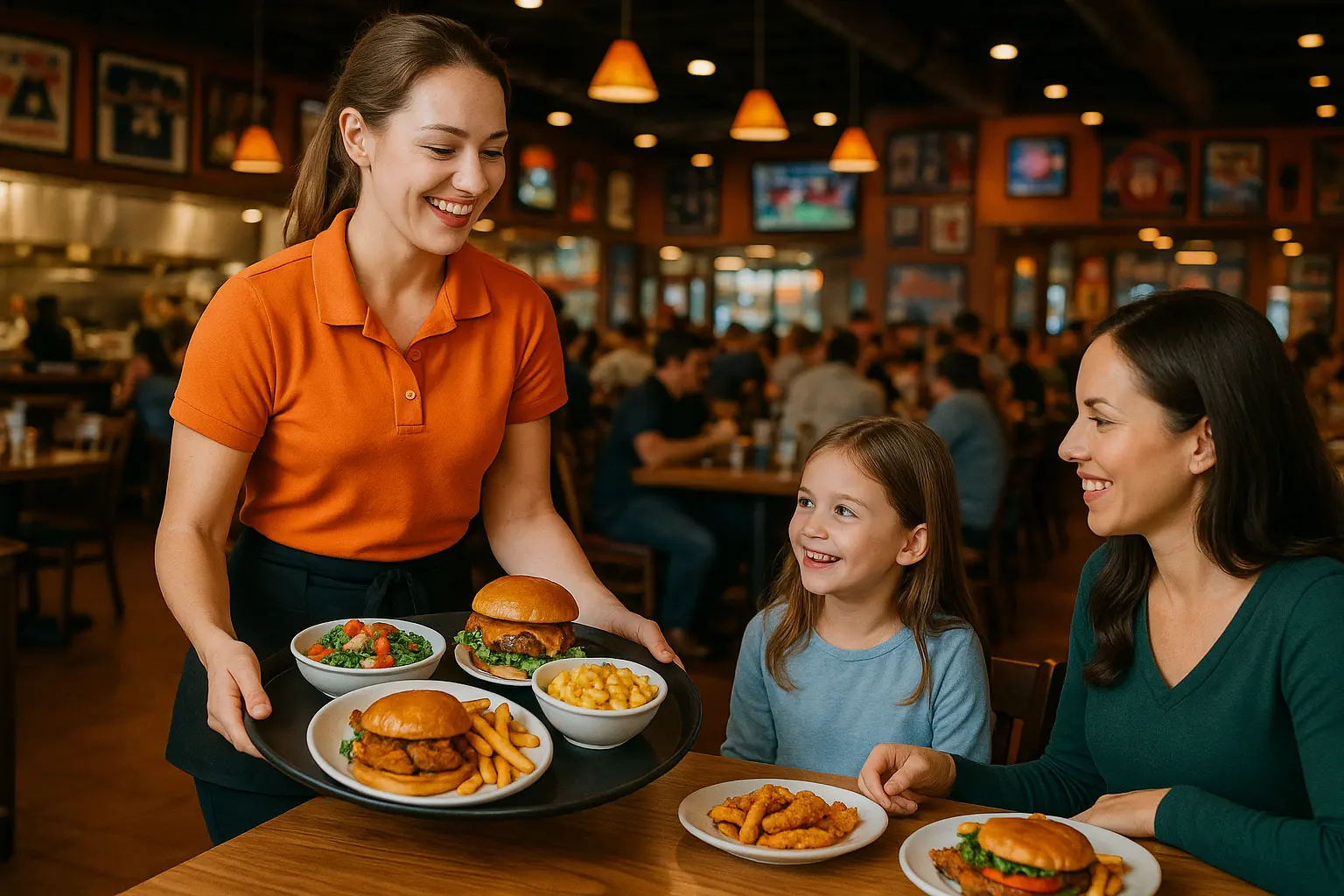
So what changes are on the horizon? Forget any rumors that Hooters would scrap its unmistakable orange-and-white getup. Instead, insiders tell RedPledgeInfo the new “family-friendly” outfits are both a throwback (think retro 1980s) and an update: longer shorts, quality fabrics, but still unmistakably Hooters. The company insists this shift isn’t about caving to the liberal cancel culture mob. ”We’re bringing back the fun,” said Kiefer, ”but keeping it classy.” True to their word, the ”delightfully tacky, yet unrefined” vibe stays central – just with a little more polish for 2025 families.
”If you can’t handle beauty and good food in the same place, maybe you’re in the wrong country,” posted @RedStateDad on X. The social media discourse has been vicious – and viral – with conservatives swarming to defend the American institution against woke critics who still want Hooters erased from the map. ”We want a place our kids can grow up loving, just like we did,” wrote another user, echoing support for the nostalgia-fueled reboot.
High-level sources confirm the company is fighting for cultural relevance and market share. The new owners are betting that, by refreshing – not erasing – the look, Hooters can thrive once more in a crowded restaurant space. It’s a uniquely American play: betting on values, tradition, and a little spicy spectacle. This isn’t about appeasing the loudest left-wing voices; it’s about survival and celebrating an American classic.
Family, Food, and a Serious Bankroll: The Secret Sauce of Hooters’ $700 Million Gamble
The comeback isn’t cheap. With 130 U.S. stores and 60 international locations in their stable, Hooters is pouring $300,000 per restaurant into renovations, modernizing interiors while keeping the signature playful beach theme front and center. The brand’s new vision goes beyond hot wings – they’re doubling down on buttery flavors, fresher salads, and a menu overhaul that, according to Neil Kiefer, will ”remind everyone what made Hooters great in the first place.” According to industry reports, that means about $700 million in systemwide sales is at stake, with the founders and franchisees leading the charge.
Bankruptcy may have seemed like the end of the road for Hooters, but for the original Florida founders, it was just a speed bump. Their Chapter 11 bankruptcy in March let them dump under-performing locations and wipe $376 million in debt off the books. Gone are the days of overextension and bland management – the new Hooters is nimble, proud, and run by the very guys who invented the ”breastaurant” craze. There’s even a legal twist: the brand had to resolve a bitter royalty dispute with Lags Equipment LLC, a major creditor that nearly derailed the deal.
”Every empire falters, but true grit rebuilds,” said Hooters co-founder Ed Droste in a statement. ”This is about more than outfits. It’s about food, family, and freedom – the sort of things we need more of in America right now.”
The new regime is putting extra focus on food that pops, especially the legendary butter-based sauces fans rave about. Kiefer’s own stores already serve more than 70% of dishes with these famous sauces, and the plan is to bring this flavor-forward philosophy to every outpost. Expect more options that appeal to families, sports fans, and loyal locals. And, in a twist that’s driving progressives berserk, the franchise model means Hooters will never be more decentralized – less woke, more local, and inherently in tune with what each community actually wants.
Can Hooters Win Hearts and Wallets? The Battle for America’s Culture Rages On
Can Hooters be both nostalgic and future-proof? Its founders are gambling they can bridge the gap between decades-old tradition and today’s demand for inclusivity – without losing the edge that made them famous. Their public annoucement stressed a renewed focus on ”a place where everyone feels welcome,” as Remind Magazine noted in their coverage this morning. From renovated interiors to friendlier menus and a pointedly neighborhood feel, the ‘re-Hooterization’ is meant to signal a clean break with the chain’s years of stagnation.
Still, even as Hooters plays up family values, conservative voices are urging caution. Reddit and X are ablaze with warnings about bowing to ”corporate political correctness” and losing the very swagger that made Hooters a phenomenon. Yet with Trump’s roaring second term and parents everywhere searching for reliably American experiences, Hooters might just have picked the perfect time for their phoenix act. Franchising power out to local owners fits squarely in the conservative playbook of entrepreneurship, pro-business values, and localism over top-down dictate.
”We need brands that stand up for something,” social commentator Laura Ingram said on her podcast. ”If Hooters can make family fun again – with food, flair, and no apologies – then let the haters rage. America was built on this kind of comeback.”
As the original uniforms return (with a fresh spin), the company is investing heavily in ”customer memories” – a savvy move as the culture war rages on in schools, entertainment, and virtually every corner of American life. The founders’ message is clear: Hooters is about fun, food, friendship, and, yes, freedom. Can a restaurant chain still capture the American imagination in 2025 and beyond? Don’t count them out just yet. This isn’t just a comeback. It’s a statement. And with $700 million on the line, eyes across the nation are watching for the next move of a brand that refuses to go quietly.