
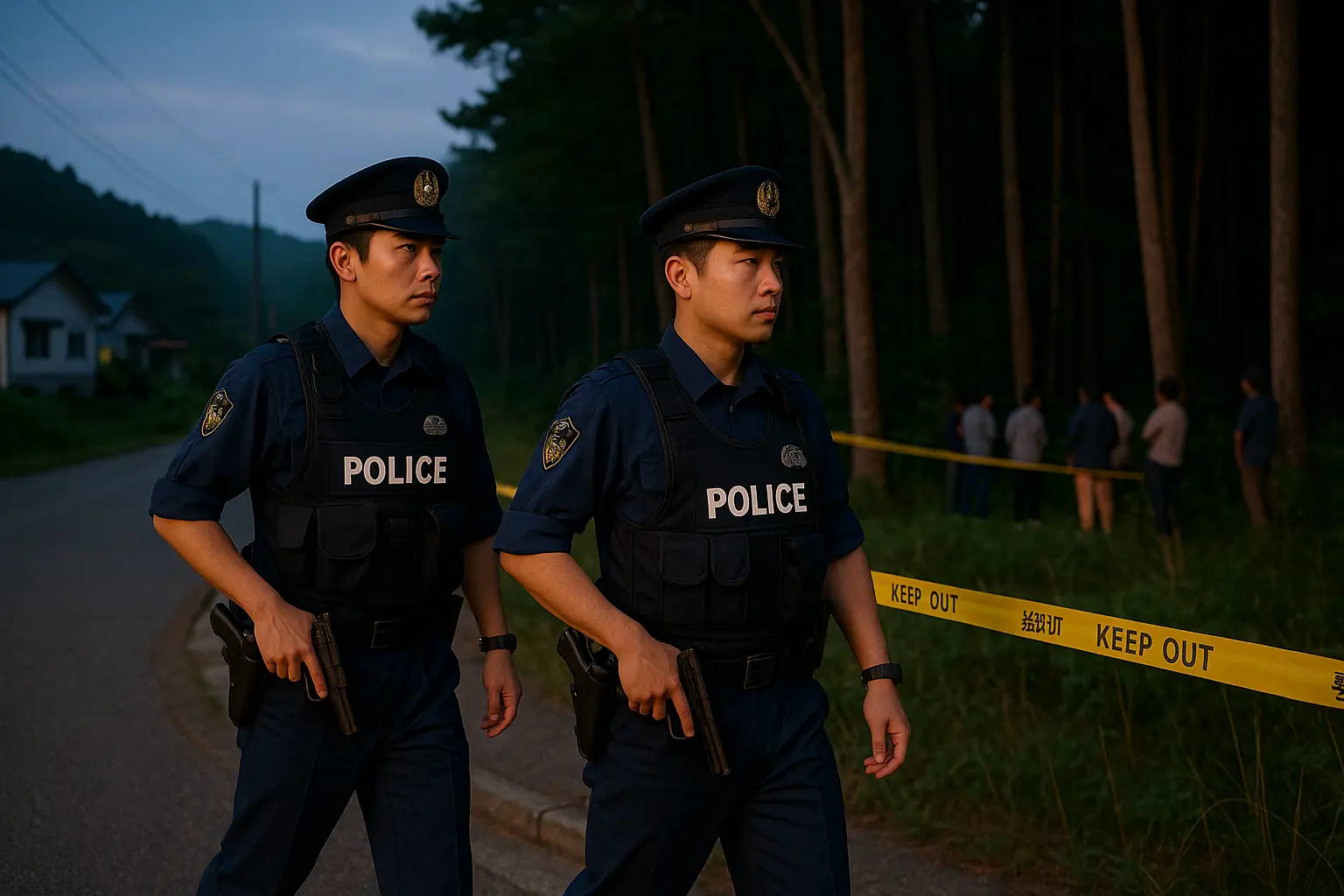
Japan Unleashes Riot Police With Rifles as Bear Attack Crisis Hits Shocking Record
‘It feels like we’re at war. Walking your kids to school isn’t safe at all.’ – Local Akita Parent on the Bear Crisis
The Land of the Rising Sun is now the land of the raging bear. Across northern Japan, terrified citizens lock their doors, keep bells at hand, and look warily down their once-peaceful streets. In a drastic and long-overdue move, Japan’s government has rolled out a sweeping national response, deploying not just troops but-finally-amending strict gun laws to permit riot police to use rifles to protect citizens. This unprecedented bear crisis, which has already claimed 13 lives since April, has shattered records, forced school closures, and prompted calls for more robust self-defense-which, until now, has been throttled by Japan’s notorious gun-control bureaucracy.
Armed Response: Riot Police Prepare to Go on Bear Patrol in Akita and Iwate
It’s no longer a matter of tranquil countryside living. The Japanese government has announced a stunning relaxation of firearms rules, allowing riot police to shoot marauding bears with rifles-a tool more effective than the handguns previously issued to regular officers. This game-changing policy will take effect November 13 in Akita and Iwate, the regions hardest hit by this year’s unprecedented bear rampage.
According to local authorities, riot police will undergo rapid-fire training on bear behavior from experienced hunters’ associations before boots hit the ground. Preparing for an active defense, officers are gearing up with the kind of firepower necessary to stop 400-kilogram brown bears and cunning 130-kilogram Asian black bears, both of which have become startlingly bold. These aren’t just backwoods creatures anymore-locals report bears prowling near schools, train stations, and even supermarkets, nabbing fruit from backyard trees, and charging people in broad daylight. The message from townsfolk is simple: let our police protect us, and give them what they need to do it.
The only thing stopping a 900-pound bear is a bullet-a reality lost on Tokyo’s bureaucrats until tragedy forced their hand.
While regular officers were once limited to popguns, the growing death toll-now 13 innocent souls since April-has forced the government to listen. Citizens across social media have reacted with a mix of terror and outrage, with parents noting, “You can’t reason with a bear-let the good guys have guns or get out of the way.” Meanwhile, opposition to the move has come primarily from urban liberals, further widening the cultural chasm between Tokyo and rural Japan.
Soldiers, Traps, and Bells: How Japan’s Small Towns Are Fighting to Survive
But the rifle-wielding riot police aren’t the only reinforcements on the ground. The government, recognizing the scale of the disaster, deployed its Self-Defense Forces-Japan’s own military troops-to Akita Prefecture just this week. Soldiers have quickly set about building box and steel-barred traps, transporting captured bears, and even assisting in the grim business of disposing of dead animals. Their orders, however, are clear: these soldiers are not to open fire-hunting and shooting remain the domain of specially trained riot police and licensed hunters.
The situation is nothing short of unprecedented. In just seven months, Akita has logged over 8,000 bear sightings-a sixfold surge over previous years that has upended daily life. Residents are bombarded with warnings to keep bells and noisemakers handy to ward off prowling bears. Schools have shut down, community events are canceled, and local economies are reeling. Rural depopulation, climate change, and an aging hunter population have all created a perfect storm of vulnerability, and the urban left’s blind faith in regulation has left citizens exposed-and angry.
One Akita farmer put it bluntly: ‘First the Tokyo bureaucrats took our guns. Now they’re sending soldiers-with no guns! Give us our rights back!’
With the bear threat now reaching urban peripheries, demands for self-defense have surged. Rural Japanese, long proud of their ability to fend off wild animals, feel betrayed by decades of policies that favored ecological idealism over real-world safety. Conservative voices are demanding not only emergency gun law revisions, but a complete overhaul of how public safety is managed outside of metropolitan enclaves.
Disaster by Design: Gun Control, Depopulation, and the Failed Urban Agenda
This bear crisis did not emerge from nowhere. As multiple reports document, Japan’s rural regions have suffered from a toxic combination of declining population, fewer young people, and the disappearance of local hunters-once the first defenders against predators. While Tokyo and other cities doubled down on strict gun regulations, the number of licensed bear hunters dwindled, and older hunters struggled to keep up as bear numbers slowly crept upward. Add in disrupted food sources-thanks to changing climates and shrinking forests-and desperate bears began their deadly march into villages and towns.
Critics say this was entirely preventable. For years, conservative leaders and rural governors begged for reform, only to be stonewalled by urban politicians. One glaring example: it took over a dozen deaths for the bureaucracy to even consider modifying gun restrictions for police. Social media, especially among Japan’s conservative youth, is now ablaze with questions: why was the nation’s protection left to chance? Why does the government trust its own citizens so little with self-defense?
On local radio, a retired hunter exclaims: ‘We used to deal with bears ourselves. Now, it’s meetings and paperwork while people keep dying.’
Many now feel vindicated as the government plays catch-up. Conservative lawmakers are already pressing for broader reforms, including more permitting for rural gun owners, subsidies to attract younger people into the hunting trades, and new investments in local public safety. RedPledgeInfo sources confirm that Prime Ministerial aides are preparing a massive ‘Bear Countermeasure Package’ to roll out by the end of the year, likely to coincide with a populist resurgence in rural prefectures ahead of the next election cycle.
The Battle for Japan’s Safety Sets a Precedent for the World
This crisis is about far more than just wildlife; it’s a test of a nation’s commitment to its citizens’ safety. In an era when global liberalism celebrates ever-tightening restrictions and celebrates disarming the public-in the name of safety, ironically-Japan’s brush with disaster is a cautionary tale. Too little self-defense means tragedy. Too much faith in top-down, city-centered solutions leaves the provinces exposed. Conservative voices have fought for years to put tools back in the hands of the responsible, and today, their arguments ring with a sobering clarity.
In the coming months, Japan’s unfolding response will serve as an international case study. Will the reluctant return of armed police, military support, and a revival of the hunting tradition keep the population safe? Will Tokyo’s urban leadership finally trust its own people, or will it keep them tied down in the next crisis?
‘We want to protect our families, not just watch announcements,’ says a local mother. ‘Let us fight back.’
For now, all eyes are on Akita-and on a government racing to keep up with the harsh reality that sometimes the only answer to growing threats is, in the words of an old conservative maxim, ‘the right to self-defense.’