The $1.7 Billion Crypto Shockwave: Is Binance a Backdoor for Iran?
‘This is not just about money-it’s about what that money funds.’ The phrase, attributed to a key House Republican blasting the latest revelations from Capitol Hill, perfectly sums up the mood across Washington this week. The world’s largest cryptocurrency exchange, Binance, founded by global crypto titan Changpeng Zhao, once walked away from U.S. prosecution with a historic plea deal and a $4.3 billion fine. But in 2026, new allegations over $1.7 billion in Iran-linked flows have reignited urgent questions: Is the Biden-era settlement structure failing to protect America’s borders from sanction-busting adversaries?
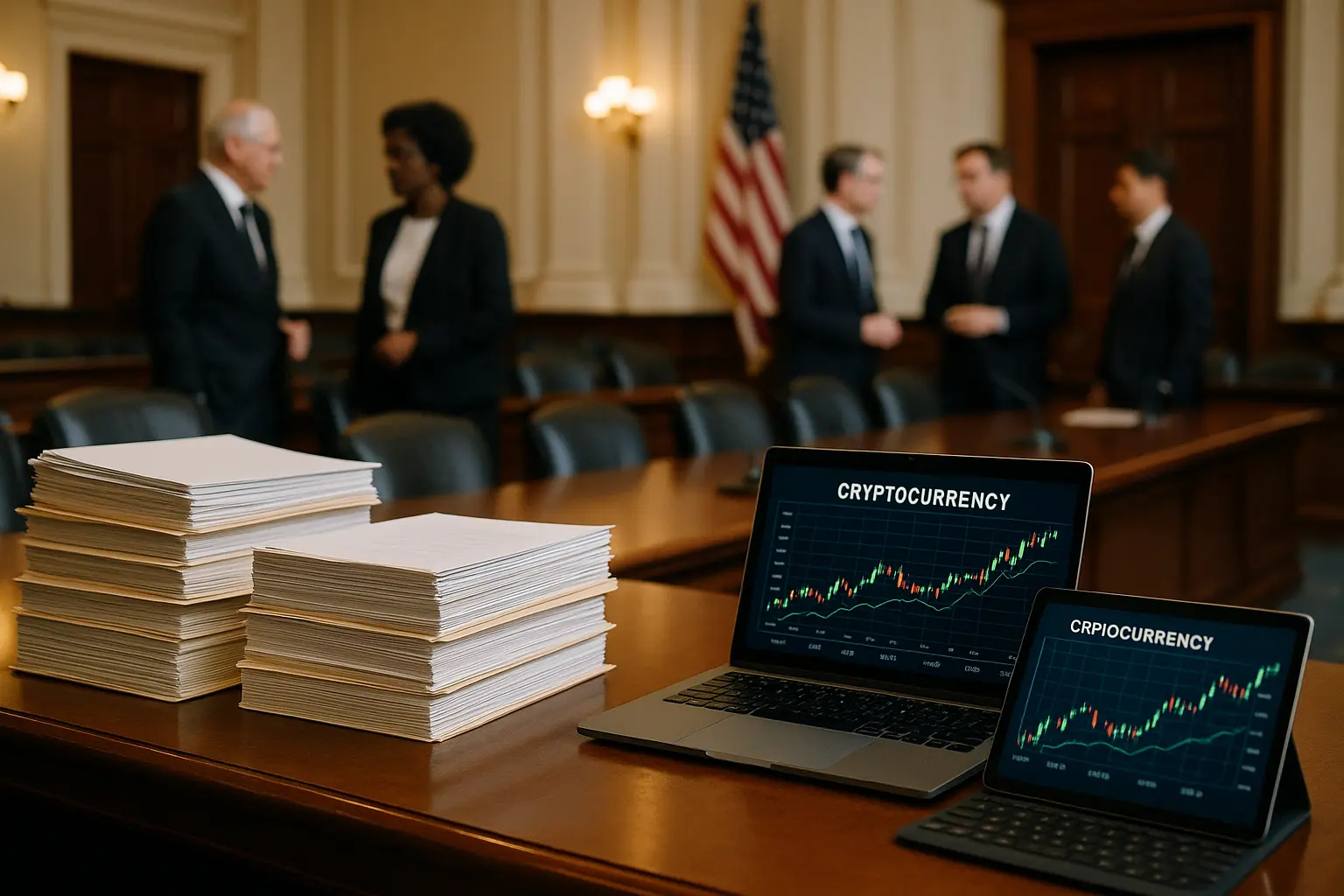
On March 12, 2026, a bombshell landed: Senator Richard Blumenthal (D-Conn)-not typically a right-wing firebrand-wrote directly to both the Justice Department and Treasury’s Financial Crimes Enforcement Network (FinCEN), sounding the alarm over “dangerously lax anti-money-laundering prevention by Binance.” The focus? Whether the court-mandated monitors-installed as part of the exchange’s 2023 plea deal-were asleep at the wheel while billions allegedly funneled through the platform, potentially ending up in the hands of militant groups from Tehran to Yemen.
‘The American people have been told that Binance would be monitored and held accountable. If these flows are accurate, then the entire enforcement regime is in jeopardy.’ – Financial oversight advocate on X
The letters from Blumenthal and a chorus of lawmakers-including Senators Mark Warner and Elizabeth Warren-have raised an uncomfortable but critical national security specter. Major news outlets report the two monitors, Frances McLeod (for DOJ) and Sharon Cohen Levin (for FinCEN), went radio silent when asked to comment. Even as Binance touts a new era of compliance, insiders point to gaps, confusion, and the ever-present lure of massive, untraceable crypto flows evading American law and funding dangerous actors abroad.
Behind Closed Doors: Lawmakers Demand Answers on Monitors, Massive Fines, and Whistleblower Firings
To understand the urgency, recall that Binance’s 2023 settlement resulted in both a record-breaking fine and a dramatic shift in daily operations. With Justice Department investigators scrutinizing allegations that Iranian agents used the platform to funnel crypto to sanctioned militants-reportedly including Yemen’s Houthis-Washington insiders warn the compliance monitorship was not just regulatory theater. It was, in theory, a guardrail against geopolitically explosive money laundering.
Yet the real story may be about the mechanisms to enforce it. Blumenthal’s February letter demanded not just updates from the monitors but raw transaction records, documentation on assets like Tether and USD1, and explanations for a rash of compliance investigator firings in 2025. Binance has publicly denied dismissing whistleblowers who flagged Iranian transactions-but the company’s own thirst for image rehab begs the question: Who monitors the monitors? And are these monitors merely box-checkers, or real watchdogs?
‘We have a right to know why public servants appear to be asleep at the switch while billions slip through the digital backdoor to terror proxies. Our government must answer.’ – Leading congressional Republican, in remarks to RedPledgeInfo
The larger Senate push includes demands for a prompt, comprehensive review of Binance’s anti-money-laundering and sanctions regime. Concerns that compliance failures might have enabled upwards of $1.7 billion in suspect Iranian flows remain largely unaddressed. While DOJ and FinCEN monitors started their oversight in 2024-and were meant to serve for a three-year period-neither has delivered a public statement or substantive account of their progress. Skepticism is rising. Some on Capitol Hill now whisper that enforcement may have already been quietly deprioritized or under-resourced-with America’s adversaries poised to take full advantage.
Crypto’s National Security Test: Will Lawmakers Hold Anyone Accountable Before 2026 Elections?
In the frantic race to police digital currency, lawmakers face a dilemma: Sanctions guidance has existed since 2018, but effective enforcement remains elusive in the borderless, decentralized world of crypto. The Treasury’s Office of Foreign Assets Control can issue rules and pursue violators, but cases tied to so-called shadow banking networks-and Iran’s military proxies in particular-require constant vigilance. The situation playing out with Binance is a litmus test for America’s financial crime regime and its willingness to stand up to adversaries who use digital loopholes to bypass sanctions.
That the DOJ launched an investigation just last month into whether Binance enabled sanctions evasion for Iran’s regime paints a chilling picture. Reports even say the flows may have funded groups the U.S. designates as terrorists-while Binance, for its part, has publicly responded by suing media critics for defamation and denying any deliberate wrongdoing. As U.S. Senators Van Hollen, Warren, and Gallego have stressed, oversight gaps could drag American enforcement back to the Wild West days of crypto where nation-state actors thrive and little is done to stop them.
‘Crypto regulation can’t just be about press releases and checklists-it must actually stop the criminals and those who wish America harm.’ – Security policy expert, via Telegram
President Trump’s administration, having already tightened crypto oversight after his reelection, now faces pressure from both sides of the aisle to hold non-compliant actors accountable. With the 2026 midterm elections fast approaching, lawmakers risk appearing soft on crime and weak on national security. Despite the administration’s aggressive stance, the perception that DOJ and FinCEN monitorships are faltering leaves the country open to charges of incompetence or worse-negligence at the highest levels.
The story now centers on whether these oversight systems-heralded as historic only three years ago-actually work. Will the Treasury and DOJ respond with transparency and action, or will their silence finally push Congress to take bolder steps? Either outcome will shape not just the future of crypto compliance, but the very credibility of America’s sanctions regime on the world stage.