
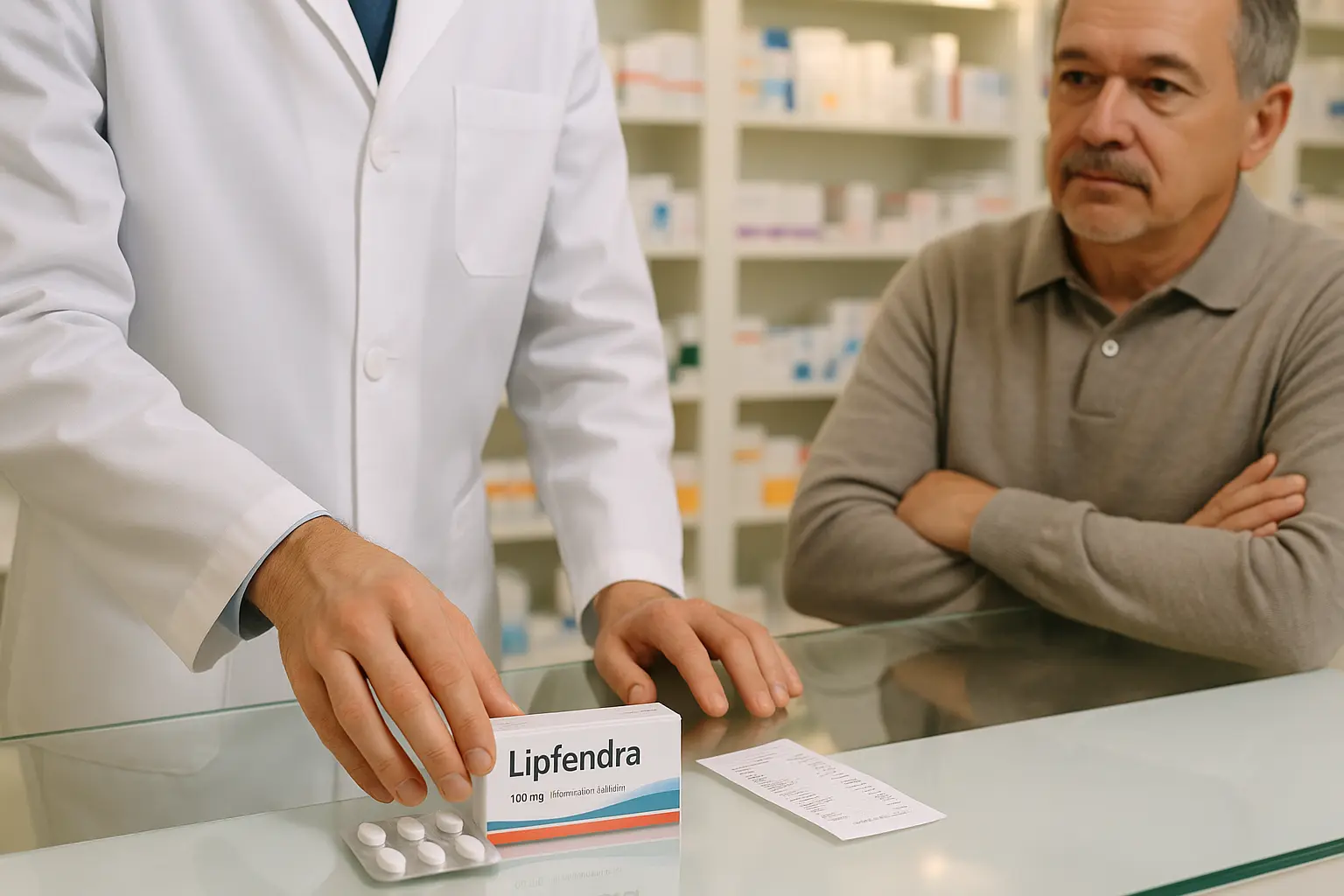
Merck’s Breakthrough Cholesterol Pill Lipfendra Approved: Game-Changer or Pricey Gimmick?
‘Americans know that when Big Pharma brings something new to the table, you better pay attention. The question is, will Lipfendra change lives – or just pad drug company pockets?’
Pill Pioneers: Why Merck’s New Approval Rocks the U.S. Cholesterol Market
The dawn of a new era in heart health is here-and America is buzzing. On July 16, the U.S. Food and Drug Administration approved Merck’s Lipfendra, a once-daily tablet that promises to cut LDL ‘bad’ cholesterol lower than anything modern medicine has offered before. That’s right: You can now tackle stubborn cholesterol not with an injection, not with a special procedure, but with a pill right from your medicine cabinet.
Lipfendra, known generically as enlicitide, didn’t just earn its regulatory stripes on a whim. The FDA signed off based on some jaw-dropping late-stage data: Two massive Phase 3 trials, dubbed CORALreef Lipids and CORALreef HeFH, enrolled more than 3,200 adults who had struggled to get their cholesterol under control for years. In these carefully monitored studies, Lipfendra slashed LDL cholesterol by up to 56% to 60% versus placebo in just 24 weeks. For patients saddled with genetic conditions like familial hypercholesterolemia-the truly tough cases-the reduction clocked in at just under 60%.
But the headlines aren’t just about science. Lipfendra leapfrogged rival AstraZeneca and their laroprovstat, nabbing the coveted first-in-class oral PCSK9 inhibitor status. That means Americans who fear needles or can’t stand complicated injections now have a legitimate, FDA-approved alternative. Unsurprisingly, Wall Street is already predicting billions: scuttlebutt from industry analysts points to $370 million in sales as early as 2027, and peak revenue north of $5 billion by 2034. It’s a pill with blockbuster dreams-and possibly, blockbuster price tags too.
Social media exploded with both awe and outrage. ‘Great, another Big Pharma gold rush,’ wrote one user. Another countered: ‘I’d pay anything to not die of a heart attack at 55.’
But here’s the real kicker: nearly 70% of patients who need more than statins are still falling through the cracks because of prior authorization nightmares, insurance games, and, yes, a blunt fear of needles. With Lipfendra’s rapid FDA nod and oral convenience, many expect these silent Americans-everyday folks without Wall Street portfolios-to finally get lifesaving help. The FDA told the public the drug will hit pharmacies within weeks.
Lipfendra Rips the Ceiling Off Cholesterol Management – But Who Pays?
Let’s be clear: Lipfendra isn’t just pharmaceutical hype. By targeting PCSK9-an entirely different pathway than statins-this pill opens up a new front in the war on heart disease. Until now, PCSK9 inhibitors came only as expensive injections, often costing insurers and patients thousands per year. Merck’s gamble is that Americans will flock to a simple, dependable pill, writing a new chapter in cholesterol care.
But that new chapter is written in dollar signs as well as doctor’s notes. With a sticker price of $10.50 per day, or $315 a month, Lipfendra doesn’t come cheap. While it undercuts today’s injection-based PCSK9 inhibitors, it clocks in much higher than generic statins. Is Merck’s price a bold move, or a calculated play to cash in on our country’s health anxiety? The answer may shape the next decade of American health coverage.
With the American Heart Association and American College of Cardiology rolling out tougher cholesterol recommendations in March, the stakes couldn’t be higher. More than a quarter of U.S. adults are on statins, many with LDL levels still over 100 mg/dL. Lipfendra, when combined with diet and exercise, can drop those numbers to around 50 or lower-real, measurable progress. For ordinary Americans juggling insurance premiums, copays, and the rising costs of everything from groceries to gas, the decision is personal: Will they reach for this miracle pill or stick with tried-and-true, cheaper generics?
As one conservative-leaning commentator put it on X (formerly Twitter): ‘This isn’t just about science, it’s about survival in a broken healthcare system. Let’s see if insurance companies care more about patients than profits.’
The pill isn’t without its trade-offs. Side effects, while manageable, include dizziness and diarrhea, occurring more often than with placebo according to the FDA’s own documentation. And, perhaps most critically, the ongoing trial data hasn’t yet proven whether Lipfendra directly saves lives by reducing actual heart attacks or death-not just cholesterol numbers. Merck knows it must deliver those results, and fast, before insurers balk at footing the bill en masse.
America at the Crossroads: Who Really Wins as Heart Drug Wars Begin?
Let’s not forget the broader context. Merck is rolling the dice not just for patients, but for its own bottom line. The company’s cancer juggernaut, Keytruda, will soon face generic competition as its patents expire in 2028. That makes new blockbusters like Lipfendra more than just medicinal triumphs-they’re lifelines for Big Pharma’s balance sheets, and by extension, Wall Street’s confidence. Meanwhile, ordinary Americans wonder when some of that innovation will come their way without a price hike in their insurance bills.
This game-changing pill also arrives during a pivotal political moment. With President Trump’s historic re-election behind us and the administration pledging relentless support for homegrown pharmaceutical innovation, the regulatory environment has rarely been more business-friendly. The FDA pushed Lipfendra’s review through the Commissioner’s National Priority Voucher program, recognizing the game-changing potential for expanding access-at least on paper. Yet, Republicans on Capitol Hill continue to hammer bureaucrats over bloated health spending and insurance overreach, demanding more transparency and accountability in everything from clinical trials to drug pricing.
Grassroots conservatives, meanwhile, are keeping a close eye on what comes next. Will Merck push prices even higher if demand surges? Will insurance companies play hardball with prior authorizations, making families fight tooth-and-nail for what doctors have prescribed? One thing’s for sure: Lipfendra has set off a firestorm in both the medical and political worlds, reigniting debates about who actually wins when science moves faster than legislation.
Liz Harold, a health policy analyst in Texas, notes: ‘If this is truly the innovation we’ve been waiting for, don’t let DC bureaucrats or greedy executives keep it out of middle-class homes. Trump shocked the world once-maybe he can shake up drug pricing, too.’
Looking ahead, all eyes will be on real-world results. If ongoing studies show that Lipfendra doesn’t just lower numbers but actually saves lives, the pressure on public and private payers alike will skyrocket. Until then, Americans face yet another healthcare choice loaded with promise, peril, and no shortage of political drama. If history is any guide, the coming months will determine whether Lipfendra is a revolution for the ages or simply the latest chapter in the country’s ceaseless medicine wars.
For conservatives wanting more freedom and fewer barriers in healthcare, Lipfendra’s arrival is both a wake-up call and a case study in the risks-and rewards-of letting innovation, not regulation, lead the way.