‘A single error at a factory can affect thousands-Americans deserve better than pharma roulette!’
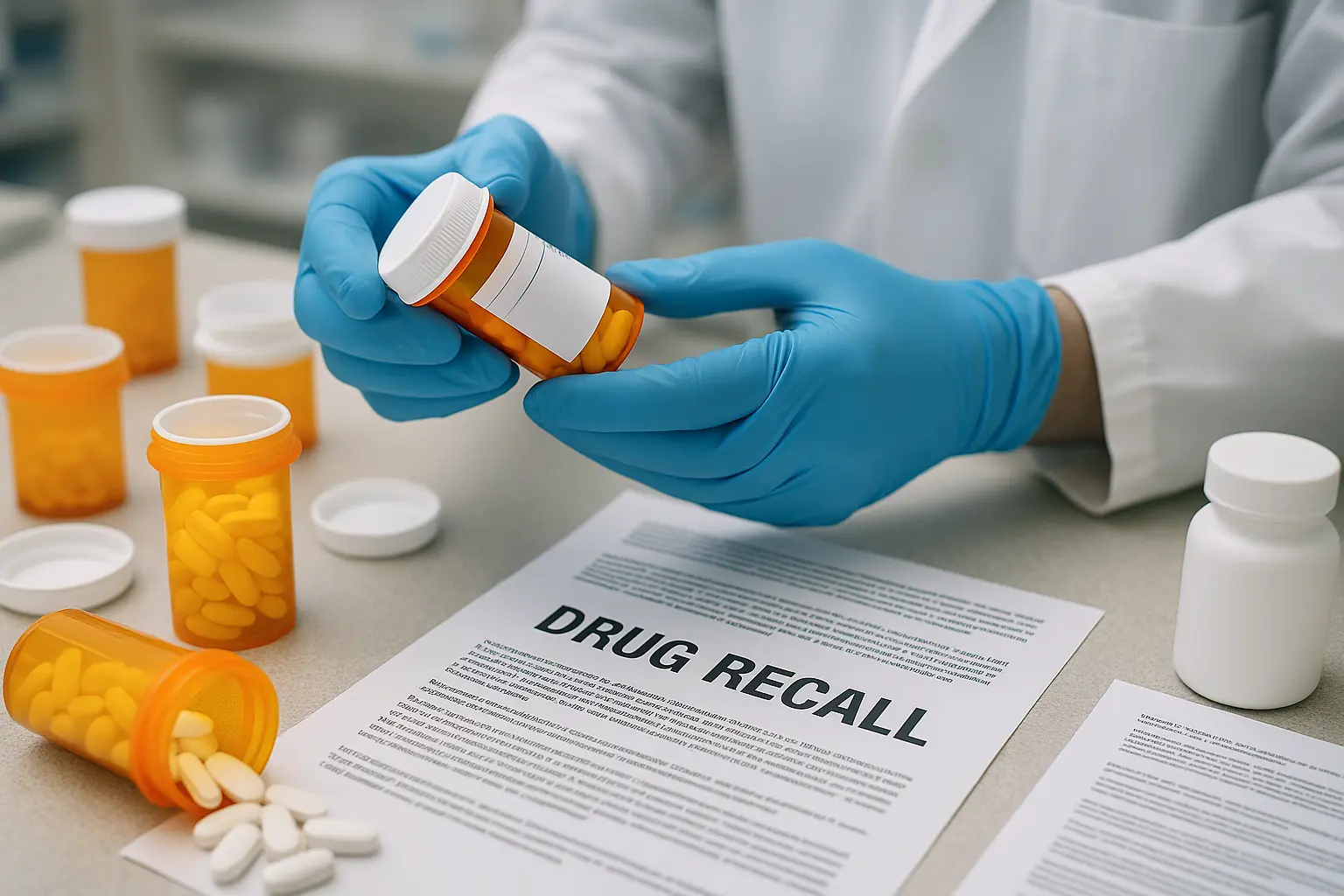
It’s the pill millions trust every morning, but right now, American patients are waking up to an urgent FDA blood pressure medication recall that is rippling through the heartland. Glenmark Pharmaceuticals, a major name in the generic drug world, has yanked more than 11,000 bottles of Ziac (bisoprolol fumarate and hydrochlorothiazide) from pharmacy shelves-and medicine cabinets-after a bombshell discovery. If you or someone you love takes Ziac for high blood pressure, you need to read every word of this urgent expose.
This isn’t just another recall buried in the business pages: it’s a controversy that exposes massive cracks in the U.S. drug supply chain and could affect your family’s health. We break down what went wrong, where those pills were made, why federal watchdogs keep missing red flags, and-most importantly-why nobody is telling patients what to do.
Drama in the Pill Bottles: What Really Happened?
The recall, confirmed late last week, targets Glenmark’s Ziac tablets in 30-count, 100-count, and even giant 500-count bottles distributed nationwide-including small-town pharmacies and big-box stores. The U.S. Food and Drug Administration (FDA) slapped the issue with a Class III recall, the agency’s lowest risk set-something the mainstream media and pharmaceutical insiders are spinning hard, trying to calm nerves. But RedPledgeInfo readers want the truth, not spin.
Here’s what the FDA doesn’t want you to panic about: trace amounts of the cholesterol-lowering drug ezetimibe were found in pills that Americans rely on to regulate their blood pressure, not their cholesterol. The big reveal came only after Glenmark quietly tested their “reserve samples”-a process that should be routine but too often seems like an afterthought at Big Pharma’s factories.
This is a brutal reminder that medical safety isn’t a guarantee-it has become a gamble, even when it comes to FDA-approved drugs.
The recall wasn’t confined to just one size: affected bottles carry NDC codes 68462-878-30, 68462-878-01, and 68462-878-05-a crucial detail buried beneath bureaucratic lingo in the FDA’s notice, but life-or-death for real patients looking for answers. If your Ziac prescription falls anywhere between expiration dates of November 2025 and May 2026, you’re in the risk window. Check your bottle for those codes and dates today.
Two Continents, One Catastrophe: Where Was This Made?
While the FDA and Glenmark are issuing statements from back east, insiders are quietly conceding one hard truth-this is a global screw-up. Ziac was manufactured at Glenmark’s Elmwood Park, New Jersey plant, but records show fingers also point overseas, to Glenmark’s mega-factory in Madhya Pradesh, India. That means these mix-ups could be the result of an international supply chain more interested in cutting costs than safeguarding Americans’ lives.
How did a drug for high cholesterol wind up chilling out next to a blood pressure pill in the first place? The company’s voluntary recall only happened after an internal quality-control check-those “reserve samples”-turned up the wrong chemical. It’s a near-miss that begs the question: Is this the first time, or just the first time somebody found out?
For years, conservatives have warned: outsourcing drug manufacturing puts America last-and dials up the risk for working families. Now it’s playing out, one bottle at a time.
Glenmark’s voluntary move-a rare show of responsibility in the pharma world-came amid mounting federal scrutiny, but no clear instruction for patients has arrived. The FDA filed the recall as Class III, signaling the exposure “is unlikely to cause adverse health consequences.” But what about Americans who take other medications, those with allergies, or the elderly who can’t afford another medical whiplash? The government goes silent. Glenmark disappears. Patients are left twisting.
Why Are Patients Left in the Dark? The Deafening Silence from the Experts
Here’s the biggest scandal: After all this chaos, neither Glenmark nor the FDA is bothering to tell patients what to do if they find a contaminated bottle. It’s as if Americans are expected to solve pharmaceutical mysteries in their kitchens while Big Medicine shrugs from the safety of an office in Jersey or Mumbai.
One furious commenter on X (formerly Twitter) summed up the moment: ‘My grandma’s blood pressure depends on these pills. Why isn’t anybody telling us what to do?!?’
Over 11,000 bottles have gone out since last year. The FDA, in rare on-record comments, has said: patients should keep taking their medication unless their doctor says otherwise. Is this good enough when people are finding drugs they didn’t ask for in their prescription bottles?
The recall affects patients coast to coast-from retirees in Arizona to truckers fueling up in Pennsylvania. The potential for disaster might be “low-risk” on a federal spreadsheet, but try explaining that to a parent managing heart trouble, a diabetic worried about drug interactions, or a vet who just wants a straight answer from their pharmacy. The FDA has hundreds of recalls a year: why does every one feel like the first time?
When it comes to Ziac pills with expiration dates from November 2025 to May 2026, even pharmacists seem confused-one chain employee told RedPledgeInfo they’re still “waiting for an official directive. We just pull the product and pray nobody comes in asking tough questions.”
The Politics of Drug Safety: Will Washington Wake Up This Time?
This is not the first, and it won’t be the last, time a recall exposes glaring flaws in the American medication pipeline. With President Trump having secured a second term, his administration has repeatedly hammered the point: the U.S. must onshore essential medicine manufacturing and end our dependency on overseas plants where “quality control” often means “cutting corners.” Yet, here we are-millions of Americans forced to trust their lives to pills with a shadowy supply chain and more questions than answers.
Polls now show that health care security has roared to the top of voter priorities, especially for conservative and independent voters disillusioned by the FDA’s revolving door with the Big Pharma lobby. The Trump White House, already under fire for supply chain frustrations earlier in the term, will likely face swift pressure from Red State senators demanding not just hearings-but real change.
Don’t let DC bureaucrats lull you into complacency: oversight is only as good as the pressure we put on them. Keep calling, keep demanding answers.
Want to check if your medication is affected? Gather your Ziac bottles and look for NDC 68462-878-30, 68462-878-01, or 68462-878-05. The FDA’s full recall notice lists all flagged lot numbers and instructions for pharmacies-though patient guidance is still MIA.
RedPledgeInfo will continue to dig on this story and update our readers as new details emerge. If you have Ziac in your cabinet, call your doctor-don’t wait for bureaucrats to find their courage. American families have the right to safe, reliable medicine, not dangerous mix-ups and corporate silence.