
‘How Did This Slip Through?’ Fury Grows After Major Cholesterol Drug Recall
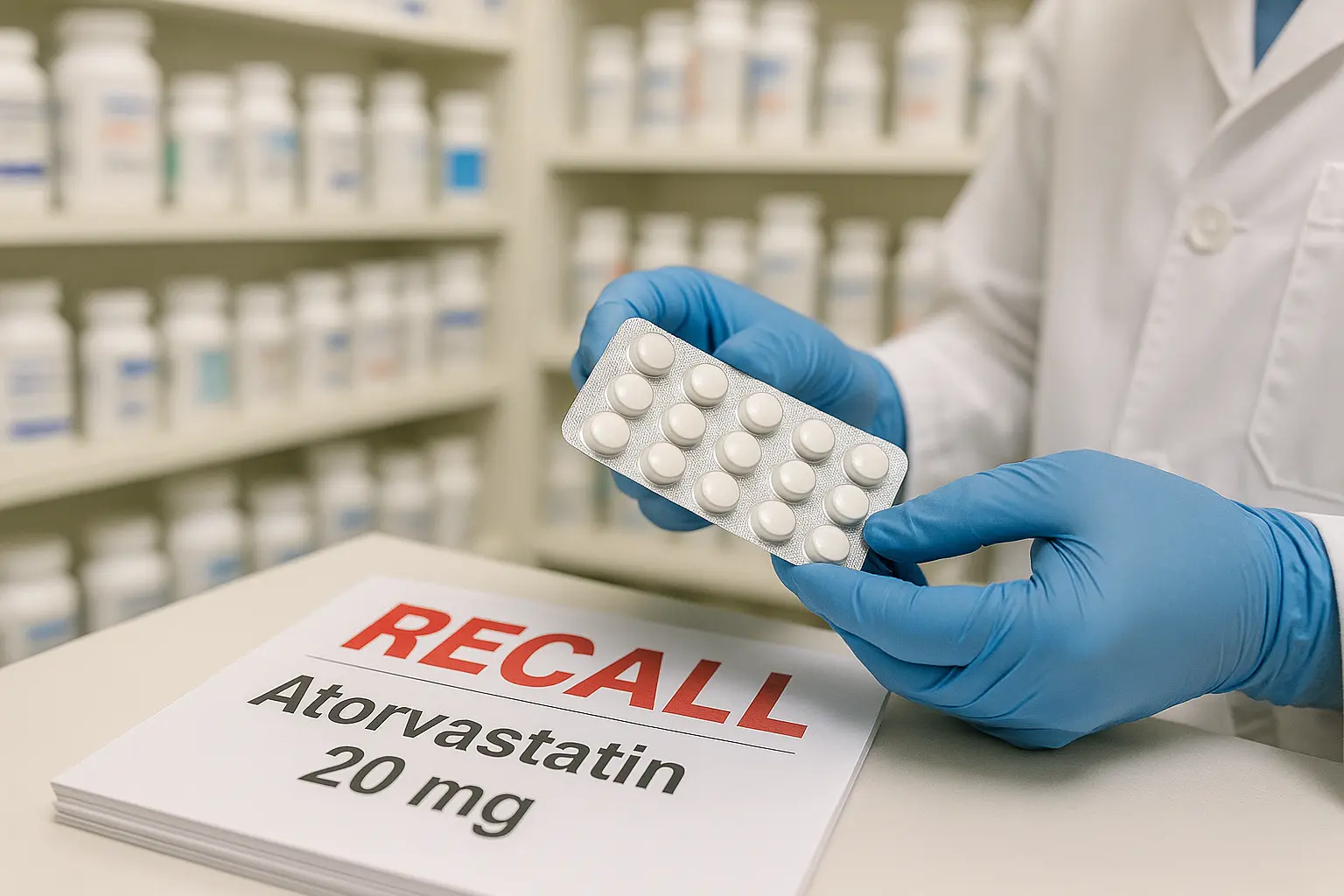
“This is the United States, not some third-world country. Why am I risking my health on pills made who-knows-where?” That biting question, posted by a furious former nurse from Ohio, greeted visitors to conservative forums this week after the Food and Drug Administration (FDA) officially announced the recall of more than 140,000 bottles of Atorvastatin Calcium tablets, a generic version of the blockbuster cholesterol drug Lipitor.
The story behind this recall is nothing short of alarming: Multiple strengths and bottle sizes-10 mg, 20 mg, 40 mg, and 80 mg, shipped nationwide by Ascend Laboratories out of New Jersey but manufactured by Alkem Laboratories in India-have “failed dissolution specifications.” Translation: These pills may not dissolve as they should in your body, potentially robbing millions of Americans of life-saving cholesterol control and putting their hearts on the line. The FDA’s move to escalate the recall to Class II means regulators believe the risk is more than just theoretical-it could “lead to temporary or medically reversible adverse health consequences.”
Social media exploded with skeptical takes: “Why aren’t these drugs held to American safety standards to begin with? And why are we hearing about this from Twitter instead of our own doctors?”
Distribution of these questionable meds has already hit at least 39 million Americans relying on cholesterol control just to get through their day. And here is the kicker: expiration dates for these potentially flawed bottles extend all the way to February 2027, meaning this health risk will loom for years without swift disposal.
The American Patient Pays the Price: Offshoring & Regulation Missteps Exposed
This isn’t simply a story of one bad batch. Conservatives have sounded the alarm for years-globalist drug pipelines are undermining American confidence in healthcare. With Atorvastatin Calcium, the American market saw Indian manufacturing and New Jersey distribution combine for a “perfect storm” of regulatory blind spots. How did 140,000+ bottles escape routine testing until now? Because, critics say, the FDA is too busy satisfying bureaucratic protocols instead of putting U.S. families first.
Recall specifics reveal a truly jaw-dropping scope: Anyone using Atorvastatin 10 mg, 20 mg, 40 mg, or 80 mg in 90-count, 500-count, or even industrial-sized 1,000-count bottles could be at risk. It’s not just over-the-counter bottles, but prescription medications meant for the most vulnerable-including seniors and heart patients. An FDA enforcement report, upgraded the recall after failed lab testing, spotlighted that the pills might not dissolve properly-meaning the drug is less likely to work as your doctor intended. For anyone counting on these meds to stave off a heart attack, that is not a “minor” problem.
“Our medicines shouldn’t be coming off cargo ships from India and slipping through shoddy testing,” wrote a South Carolina heart patient online. “The only reason this isn’t a national scandal is because the media is asleep at the switch.”
Conservative lawmakers on Capitol Hill have called out the hypocrisy: American pharmaceutical giants facing suffocating regulation, while Indian facilities ship millions of bottles with insufficient oversight. We saw a similar pattern with contaminated blood pressure medications in previous years-now, yet again, regulatory agencies are playing catch-up instead of prevention.
What You Need to Do-And Why This Must Never Happen Again
If you or a loved one are among the millions using Atorvastatin (especially generics for Lipitor), do not ignore this recall. While no known illnesses have yet been reported, the risk is not zero. TheStreet confirmed that there have been no adverse events deemed related to this recall-so far. But with cholesterol control, effectiveness is everything. Even a temporary lapse could mean rising LDL levels and all the consequences down the road.
Healthcare watchdogs and GoodRx have urged patients to check their bottles and lot numbers, and talk to their prescribers or pharmacists immediately. Unfortunately, neither the FDA nor Ascend Laboratories has released a formal disposal protocol or comprehensive lot number list to the public-a move some see as a dereliction of duty in a country with the world’s strictest medication rules. The lack of transparency and timely patient guidance only fuels the outrage now erupting across social channels and the conservative press.
One exasperated caregiver on Facebook summed up the national mood: “We don’t want apologies, we want guarantees that this will never happen again.”
Political observers point out that in an election year, with health security top of mind, this kind of regulatory lapse could cost the establishment dearly. President Trump’s administration has advocated strongly for American-made pharmaceuticals and increased scrutiny of foreign supply lines. The current recall is a rallying call for renewed focus on domestic medical safety, border controls, and common-sense FDA reforms. Millions of American families now wait anxiously for answers, demanding a future where health comes before global profit margins.