
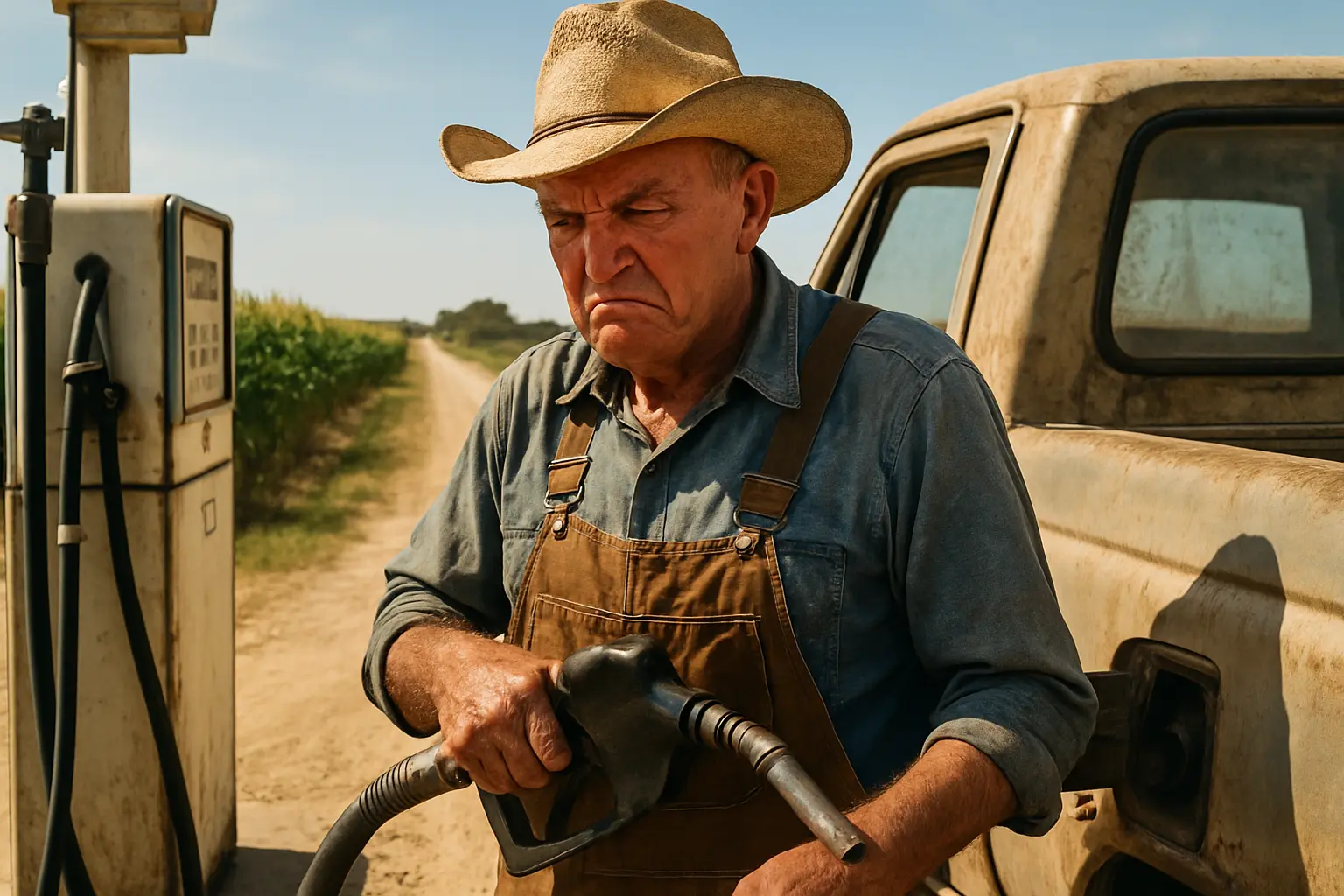
If you want to know what’s really happening in the country, you don’t listen to the fellas yapping on TV in air-conditioned studios. You talk to the farmers, the mechanics, the ranchers, and the mom-and-pops left holding the bag while Washington spits out word salads about “reform.” Right now, you’ll hear them loud and clear-rural America’s patience is running thinner than a prayer in a drought.
The crisis is simple to describe and hard to stomach: the folks who feed and power this nation are getting hammered-fuel, feed, fertilizer, and basics up, farm prices down, big packing plants pulling out, and meanwhile, political “leadership” is bickering over whose turn it is to claim they’re listening to rural voices.
When Your Vote Gets Ignored-and So Do Your Bills
Used to be, a candidate who actually cared could count on rural America come election time. In 2024, President Trump beat his competition in the sticks by 40 points according to Pew Research. But after years of biting inflation and record farm bankruptcies, that well’s running dry. A new Reuters/Ipsos poll finds Trump’s approval among rural voters plunging to 50%.
If your business is dying because of $6 diesel and a soy price heading south, the slogans start ringing a little hollow-no matter whose hat you wear.
This isn’t coastal latte nonsense. Out here, vehicles are lifelines, not status symbols. DOT data shows rural folks log 30 miles every day behind the wheel, nearly double urban America. When the pump’s emptying your pockets, it stings a lot more if you’re pulling a feed wagon or running supplies thirty miles out with no other way to get there.
Bills Mount, Relief Nowhere in Sight
Let’s talk numbers the bigwigs ignore: Farm bankruptcies up 46% in just the last year (Farm Bureau), fertilizer prices up 6 or 7 times, and soybeans below $10 a bushel for many. About 94% of farmers say their books haven’t gotten any better-all that before your grocery bill punches you in the jaw. It’s why you see stories like Brian Rauch out in Montana, skipping meals for gas or crossing fingers nothing breaks down before payday.
And what’s Congress up to while all this comes down? Hollow speeches, a hundred empty town halls, and new rounds of “reform” nobody in boots believes. That goes double for labor bills like the Securing Agriculture’s Workforce Act (SAWA). Sure, it throws some bones toward simplifying the broken H-2A visa maze-letting contracts last longer, “stabilizing” wage hikes-but farmers know any deal struck in D.C. has a way of turning into another thicket of red tape. Wage control sounds good, but unless reform delivers predictable labor without midnight surprises from the bureaucracy, folks remain suspicious.
Bigger Threats and Government Gridlock
While policy gets haggled to death, real threats aren’t waiting around for the next committee meeting. The return of New World screwworm in Texas and New Mexico is no joke-live cattle imports blocked, quarantines rolling out, and nobody moving animals until Uncle Sam gives the word. USDA’s scrambling, spending millions and trying to build a sterile fly factory to keep a lid on it, while politicians bicker over who failed at the border and whether blame lies with Democrats or with the last round of ag spending cuts. Rural families? They can’t afford partisan football while parasite outbreaks threaten to lay waste to livestock and kill more small town economies.
Shutting Down Rural Livelihoods-Meatpacking Example #97
For the icing on the cow pie, consider the string of plant closures: JBS is shutting its giant beef plant in Souderton, PA (The Inquirer) and hundreds are left jobless. The packers always claim it’s about “efficiency” or modernizing plants, but it’s usually families and local suppliers getting roasted in the shuffle. With cattle numbers low thanks to drought, new pests, and a mountain of rules, more capacity will disappear-driving your hamburger price up just as steady rural pay disappears.
What Real Leadership Looks Like
Common sense is in short supply, but here’s what rural America is owed: fuel and input costs brought to heel, stable markets, no new taxes on basics, streamlined labor policy that prioritizes legal, practical solutions-not talking points or one-off PR gigs. Most of all, actual follow-through from politicians instead of blaming yesterday’s failures for today’s mess. If Congress wants rural support, it’s time for plain action, not more sausage grinding by policy elites who couldn’t find the back end of a barn with a GPS.