
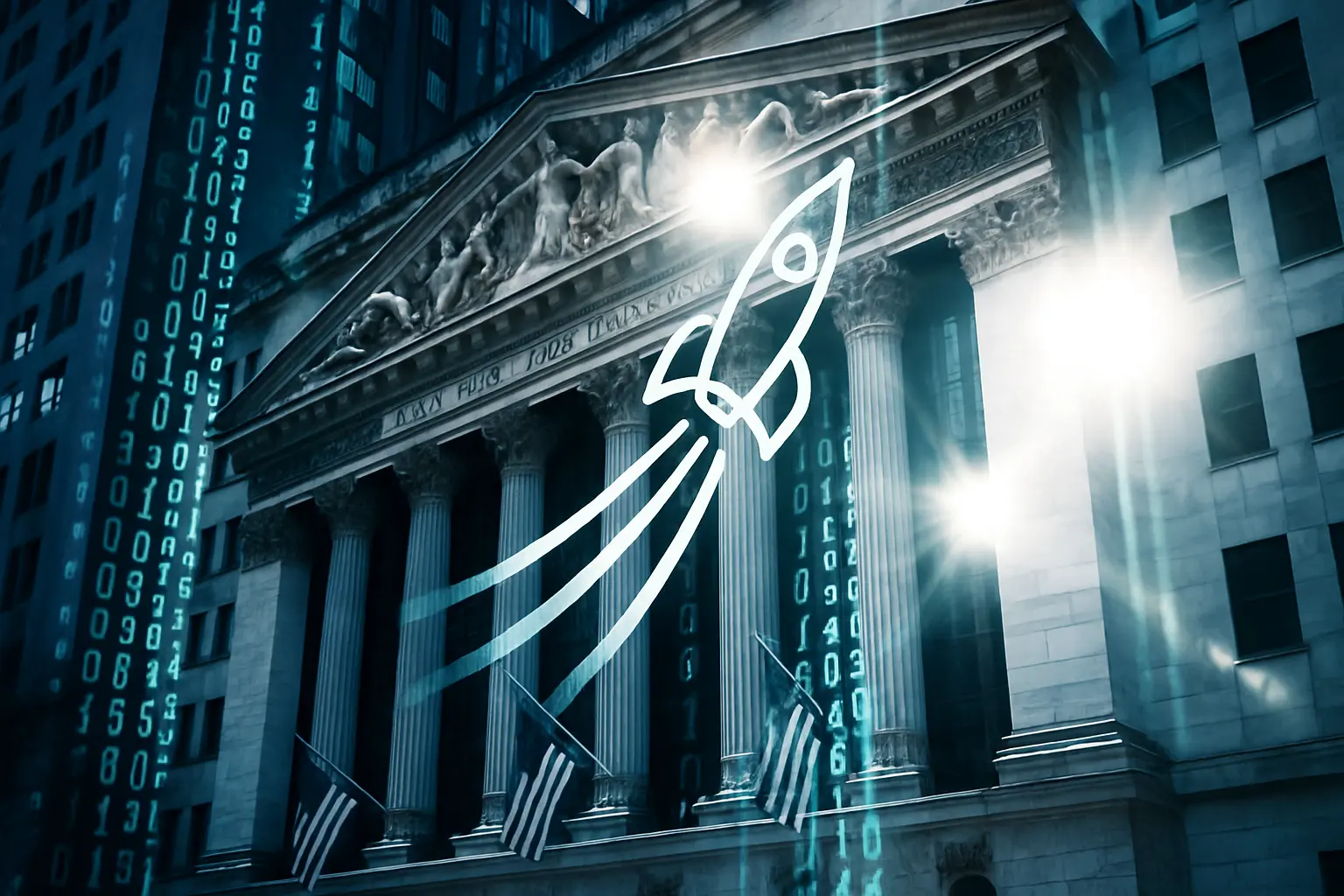
Here we go again: the suits on Wall Street are popping champagne over SpaceX’s record IPO, while business journalists treat Elon Musk’s “trillionaire” milestone like humanity’s next leap. But behind all the confetti and Musk’s sci-fi monologues, the money games reveal something less revolutionary and a whole lot more familiar: the deepening marriage between Big Tech and Big Government-just with fresh faces on the poster.
This week’s spectacle was textbook distraction. SpaceX’s IPO raised $85.7 billion-making it the largest public debut ever, and sending Musk’s paper wealth to an eyewatering $1.1 trillion. Less than 0.1% of that is actual cash or cash equivalents, according to Forbes. The rest? Stock valuation. Market re-pricing. Easy come, easy go (Bloomberg).
How much of this is Musk magic versus Musk mythology? The IPO minted fortunes for Musk, a new generation of AI founders, and investment firms who’ve been part of the “PayPal Mafia” for decades. SpaceX board now includes ex-Sequoia boss Roelof Botha-whose friendly ties to Musk trace back to PayPal’s early days (TechCrunch). Post-IPO, SpaceX will use $20 billion just to pay down AI/X-linked debts. Meanwhile, the company quietly disclosed a $1.3 billion Bitcoin reserve: the biggest BTC holding ever linked to an IPO (MoneyWeek). Corporate power? Check. Financial engineering? Absolutely.
CBDC Pause = Real Privacy Win? Only if You Love Head Fakes
While everyone’s gawking at the world’s first trillionaire, Congress has “put the brakes” on a Fed-issued central bank digital currency (Disruption Banking). The CBDC ban-lauded as a victory for privacy and “financial freedom”-runs until 2030, championed by a bipartisan cast from Tim Scott to Elizabeth Warren. In Trump’s 2025 executive order, White House lawyers warned that a government-run CBDC could nuke privacy and kill off U.S. sovereignty, pushing instead for-wait for it-“dollar-backed stablecoins” (White House EO, 2025).
So what did America actually get? A temporary moratorium, not a ban. The Fed can’t launch its digital dollar-so instead, we’ll get a new Wild West of private tech-and-bank-run digital currencies. All the talk about standing up to China’s cross-border e-CNY or Europe’s central bank digital euro misses the mark: the same Beltway crowd who shriek about surveillance are happy to funnel Americans onto payment rails owned by Silicon Valley-just so long as the treasury logo isn’t stamped on the homepage.
Who Wins? The Tech-Government Complex-Always
The real lesson is this: there’s no meaningful daylight between regulatory “protection” and private monopoly. We get to pick our jailer-public or private-but mass surveillance marches on, courtesy of insiders flipping between government gigs and tech boardrooms.
This round, the winners aren’t the American public. They’re:
- Tech oligarchs who now control the pipes for digital money, cloud AI, and even the launchpads to orbit.
- Big investors (Botha, Andreessen, Thrive) who sit on both sides of the table as public money props up “private” rocket IPOs-and then sell Americans a return to ‘free markets.’
- Congressional cheerleaders scoring empty privacy victories while stifling genuine decentralization and boosting their campaign coffers.
Musk’s trillionaire headlines just draw more attention to the circus. For those worried about elite control, here’s the punchline: swapping the Fed’s software for a privately issued stablecoin, pushed by the same crowd that finances establishment campaigns, doesn’t decentralize anything. It just moves the surveillance from Treasury to the boardroom, with Congress on speed dial for “emergencies.” All that’s missing is a press release about protecting “innovation.”
Decentralization Isn’t Just a Buzzword
If you’re sick of government-corporate revolving doors, don’t get starstruck by the trillionaire playbook or DC’s digital currency theater. Demand systems-open, peer-to-peer, censorship-resistant-that leave no room for a backroom deal. Support the kind of decentralization where real privacy, true free speech, and a tech future by and for the public aren’t just talking points on a campaign stop or CNBC chyron.
The joke’s on us if we settle for less. The trillionaires and their Beltway enablers wouldn’t want it any other way.