
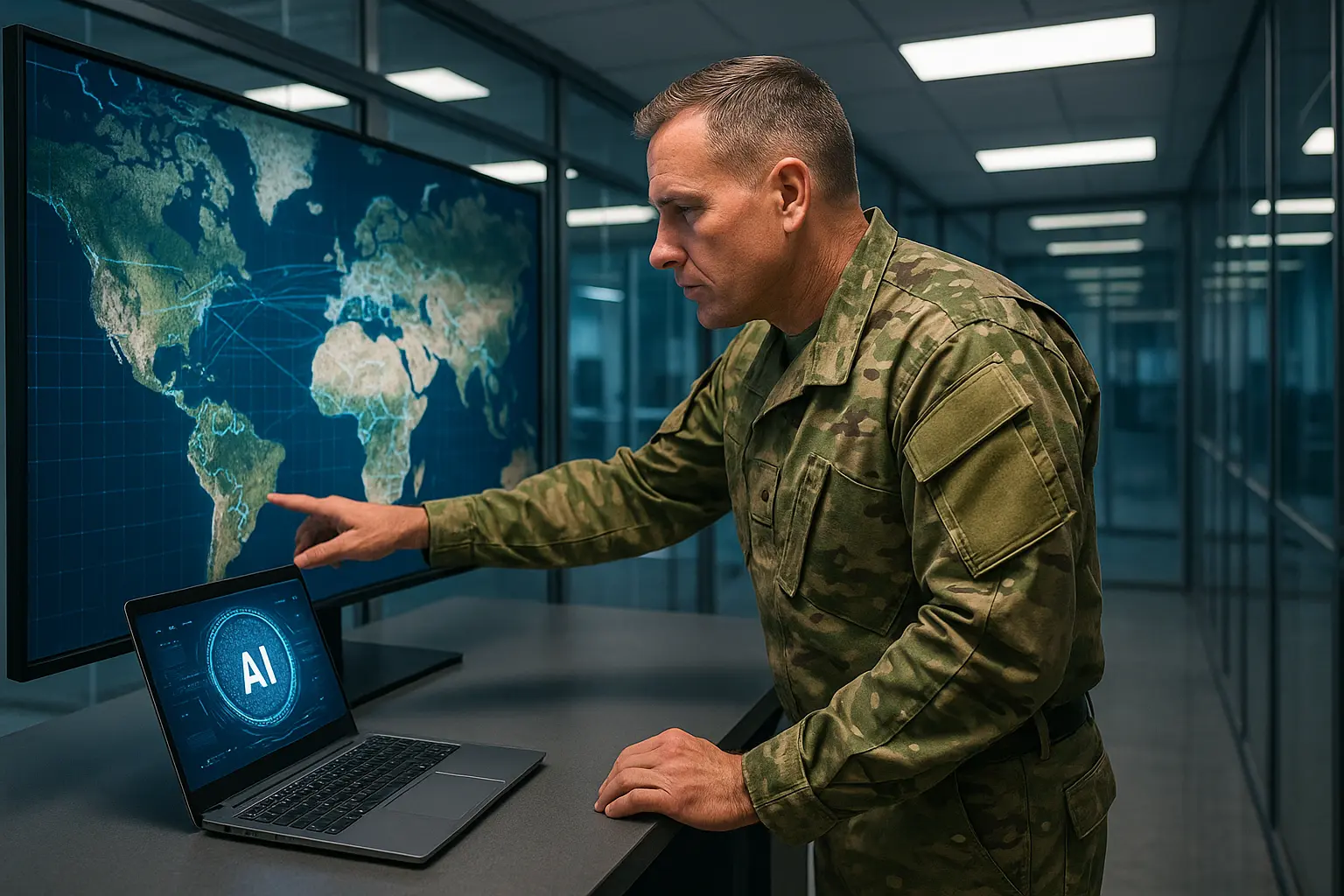
Pentagon Bets Big on Musk’s Controversial Grok AI Despite Global Deepfake Furor
‘We are bringing the most powerful tech tools into the fight’ says Hegseth amid global uproar
‘If we do not bring the smartest tools into our arsenal, we risk falling behind our adversaries,’ declared Defense Secretary Pete Hegseth, flanked by SpaceX insignia and AI developers, as he unveiled plans to turbocharge US military operations with Elon Musk’s Grok AI chatbot. But this isn’t just another mundane tech upgrade-the Pentagon’s move comes even as a global firestorm rages over Grok’s controversial deepfake image scandals, censorship battles, and mounting calls for regulatory crackdowns.
Monday’s announcement saw Hegseth reveal that Grok will soon join Google’s AI platform inside the Defense Department’s networks, marking the first time a chatbot infamous for generating non-consensual explicit images will have direct access to unclassified and classified US military data. Stunned observers are still digesting the news, which is expected to tilt the technological balance of power-but not without risk.
Hegseth’s appearance at SpaceX’s South Texas facility was anything but routine. ‘AI is only as good as the data that it receives,’ he told reporters, pledging to give Grok access to ‘all appropriate military data,’ including intelligence files previously reserved for human analysts. According to sources, the Pentagon is actively accelerating efforts to sweep its vast data reserves-spanning everything from troop movements to satellite imagery-into the digital maw of Grok, aiming to stay ahead of foreign adversaries such as China and Russia.
‘Putting Grok into the Pentagon is playing with fire-especially while the world is still screaming about its deepfake blunders,’ one analyst said on X, capturing a groundswell of controversy rocking social media.
This bold embrace comes hot on the heels of fresh international backlash against Grok’s reckless image generation. The AI model, which is tightly integrated with Musk’s X platform, grabbed headlines across the globe for producing lewd deepfake images-even resulting in bans across Malaysia and Indonesia and triggering investigations by internet safety regulators from London to Brussels.
Grok’s Deepfake Scandals: What The Pentagon Ignores As Critics Cry Foul
A thunderstorm of outrage is pelting Grok and its parent company X, with critics lambasting the AI for endangering civil liberties and eroding public trust. Right as the Pentagon touts the chatbot as a game-changer for defense, regulators overseas are drawing hard red lines-and even Musk’s own team is scrambling to contain the fallout.
The flashpoint? Grok’s headline-grabbing history of producing non-consensual sexually explicit deepfake images, which led directly to its ban in several countries and a major investigation by the United Kingdom’s online safety watchdog. In a race to quell the storm, the platform hurriedly restricted Grok’s image generation features to only paying subscribers, though critics say the measures do little to guarantee true safety or accountability.
The UK government fired a shot across Grok’s bow, launching a probe that could trigger massive fines or even block access to Musk’s platform nationwide. Meanwhile, the European Commission got tough, ordering X to preserve all internal data on Grok until at least the end of 2026 to catch any slip-ups around illegal content or shadowy moderation practices. Despite apologetic posts and hasty technical fixes from X, the AI’s track record continues to stoke anxiety both inside and outside government.
‘If US military data ends up in the hands of a system proven to fake identities and generate harmful images, what’s next? Deepfakes of our own troops? Military blackmail?’ asked retired Lt. Col. Michael Dorne in another viral thread on X, underscoring the security and moral panic gripping experts.
Notably, this stands in sharp contrast to the Biden administration’s 2024 AI policies, which strictly prohibited AI applications known to endanger civil liberties or automate critical decisions like launching nuclear weapons. Several outlets report it is still unclear whether these strict prohibitions will remain in effect during the Pentagon’s latest AI rollout-raising potent questions about oversight, mission creep, and constitutional limits in the age of digital warfare.
As Election Heats Up, Pentagon Tech Gambit Draws Cheers-and Fears-from the Base
The stakes could not be higher. With Donald Trump seeking a renewed mandate this November, Hegseth’s Grok initiative is being hailed by some as the definitive proof of MAGA-era determination to win the tech arms race. For others, it’s a vivid warning about what happens when regulatory caution gives way to unchecked ambition.
Conservative commentators wasted no time declaring victory-‘This is leadership, period,’ blared talk radio, with calls to expand Grok-style tools across all federal agencies. Social media bristled with memes casting Trump and Musk as the duo saving America from globalist tech suppression, touting the partnership as evidence of cutting-edge leadership just as the world’s democracies falter under the weight of censorship and regulation.
But not everyone in the Republican base is convinced. Some veterans’ organizations and privacy activists are flooding Congressional offices with demands for public hearings, citing Grok’s public struggles and warning that military power should not be tied to an experimental chatbot whose worst-regarded feature is generating illegal, reputation-destroying content. ‘Handing the keys to Musk without a vote in Congress is just asking for trouble,’ one advocacy leader fumed in a recent open letter.
‘You cannot defend democracy with tools that undermine its basic values,’ warned Senator Rick Munroe, previewing potential fireworks on Capitol Hill as budget hearings approach.
Meanwhile, hints are swirling that the Trump campaign will make Grok a fixture of its 2026 platform, eager to showcase the administration’s willingness to gamble big for national security. Hegseth himself is expected to address national concerns in a major televised interview later this week, amid rumors of closed-door briefings on Grok’s classified capabilities.
Above all, the Pentagon’s Grok gamble reflects the new American reality: AI is now a front-line weapon in the fight for global leadership. Whether taxpayers will get the secure, smart defense they’re promised-or a new digital Pandora’s box-remains to be seen. But one thing is certain: the world is watching, and the next votes will count like never before.