
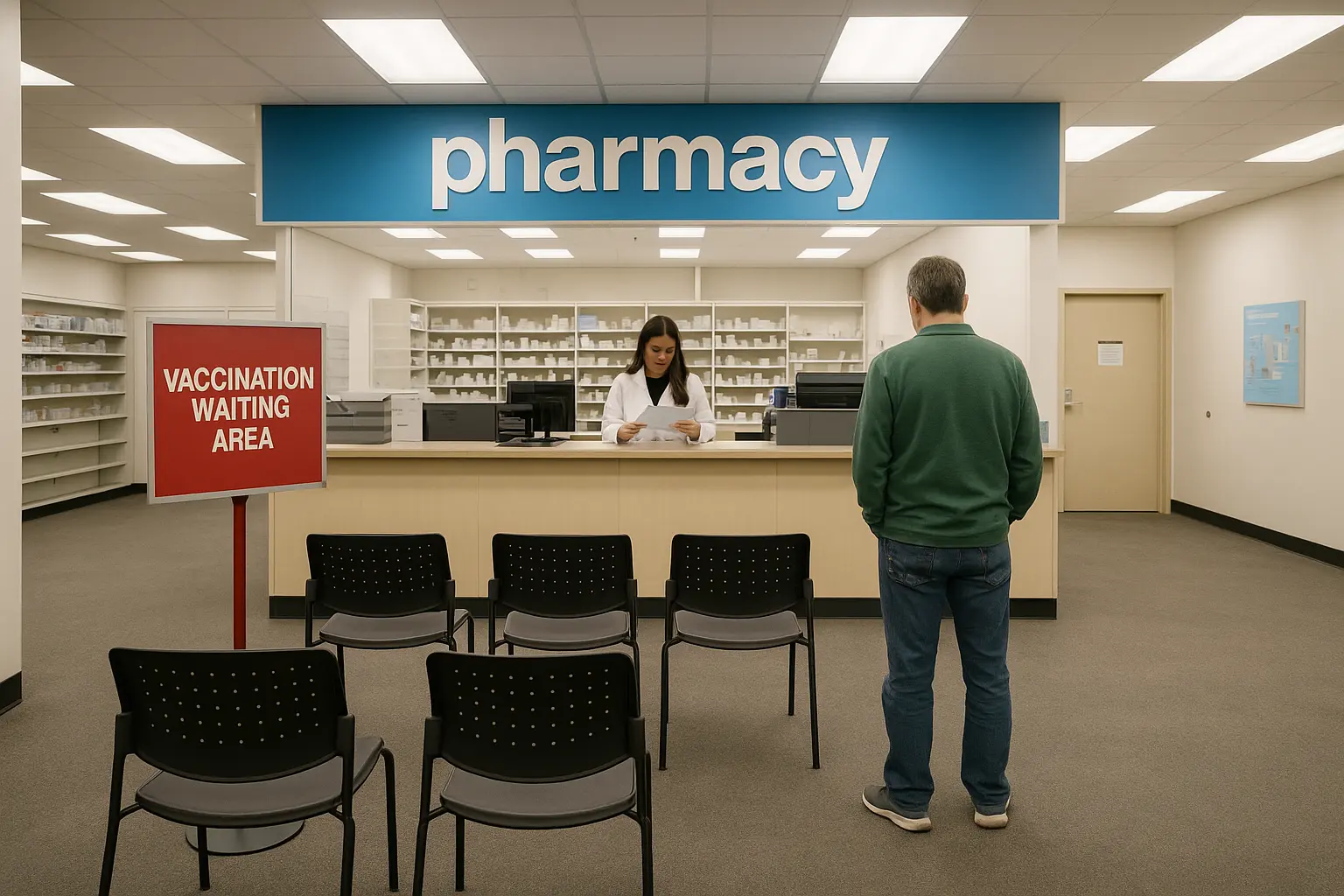
Pharmacy Shocker: CVS Refuses COVID Vaccines in 16 States After Leadership Shake-Up
“When your local pharmacy decides what shots you get, it’s freedom on the line-Americans deserve better.” The ongoing COVID vaccine chaos just took a jaw-dropping turn, as CVS Health abruptly halts COVID-19 vaccinations across 16 states and the District of Columbia, sparking outcry and confusion for millions seeking protection at the start of respiratory virus season. Add a wave of leadership firings at the CDC and a new anti-vaccine panel chair, and this developing storm is raising harder questions than ever about who is really making public health decisions in America today!
Tough New Rules Leave States Stranded-Is Your Family Now at Risk?
CVS, America’s largest pharmacy chain, stunned healthcare experts this week by suspending COVID-19 vaccinations in critical states from New York to Florida-all citing red tape from the Centers for Disease Control and Prevention (CDC). Pharmacies in affected states can’t administer the newly approved COVID-19 shots unless a CDC advisory panel gives the green light. That panel? Now filled with vaccine skeptics handpicked by Health Secretary Robert F. Kennedy Jr., of all people.
Parents, seniors, and local officials are furious as headlines break showing millions left stranded-no walk-in protection at America’s neighborhood CVS and, by extension, Walgreens and other chains. Pennsylvania, Florida, New York, and 13 others plus D.C. are all now without the convenience that two-thirds of American vaccine doses relied on last year.
The eye-popping twist: CVS declares it will only offer COVID shots for people with a doctor’s prescription and only in specific states, as regulations spiral into unpredictability. In a year of deadly viral spikes (with seven dead in a New York City outbreak just this month), the timing could not be more dangerous or more politically charged.
The bottom line: “Americans who want vaccines must now jump through government hoops,” says Dr. Lena Harris, of the National Infectious Disease Alliance. “We’ve gone from instant access to total uncertainty.”
White House Turmoil and Anti-Vax Leadership-How Did We Get Here?
This shockwave has been building for months. After critical high-profile firings at the CDC, the Biden-era Advisory Committee on Immunization Practices (ACIP) was disbanded and restaffed by Kennedy’s HHS with noted vaccine skeptic Martin Kulldorff as the new chair. Kulldorff wasted no time broadcasting his personal opposition to COVID-19 vaccines-publicly saying most Americans no longer need routine shots. Those signals rippled instantly through the nation’s regulatory landscape.
In just weeks, the ACIP’s September 18-19 meeting-a linchpin for COVID vaccine recommendations-was thrown into limbo. Senator Bill Cassidy demanded its indefinite postponement, citing “serious allegations about the membership, agenda, and science.” Meanwhile, with Susan Monarez forced out, CDC leadership now rests with acting director James O’Neill, an HHS insider with sparse experience in pandemic response but a reputation for loyalty to the White House.
This isn’t just policy wonk drama. It’s a game-changing reset for American family healthcare-a move that instantly voids the decades-long idea of pharmacies as a one-stop solution for annual immunizations. “If this panel never approves the shots, pharmacies legally can’t offer them in at least 16 states and the District,” warns former CDC official David Weber.
In the words of an anonymous CDC staffer: “This is the most uncertain moment in US vaccine history since polio.”
Who Wins, Who Loses as CVS Pulls Plug? Power Politics Meets Main Street Health
The real-world fallout is fierce and fast. Headlines rage as parents try-but fail-to book COVID shot appointments for their kids and themselves. Some, warned by their doctors, drive for hours across state lines to find open pharmacies or clinics willing to vaccinate.
Insurers promise coverage, but access has become an “if you can get it” nightmare. The American Academy of Pediatrics remains resolute, urging shots for kids six months and older despite the federal about-face. At the same moment, state lawmakers-including some reliably conservative voices-are demanding answers on why national chains are bowing to an unelected CDC committee instead of serving their customers directly.
The business shock echoes down Wall Street: with 68% of last year’s COVID vaccines given at pharmacies, some public health experts are predicting a cascade of lost revenues and declining trust in both pharmacy chains and government health guidance.
As one parent posted on social media: “I trust CVS more than politicians-but if they can’t even offer a shot, what’s left?”
Meanwhile, medical groups and state health departments are already searching for workarounds-some states are trying to fast-track legislation so pharmacists can act without ACIP blessing, while others urge families to try old-school county health clinics.
The 2026 Battle Over Vaccine Access Could Decide the Next Election
This isn’t just a healthcare war-it’s shaping up to be a defining fight for voters heading into the 2026 congressional midterms. The Biden administration’s signal to curb blanket COVID vaccine recommendations, and Kennedy’s move to pack ACIP with vaccine skeptics, has become a magnet for fierce debate across the political spectrum.
If modern American politics is about “choice versus control,” this CVS crisis brings both to the front step of every household. Will public pressure force regulators to reconsider these sweeping restrictions? Or will states step up and bypass the federal gridlock themselves? Even fierce critics pointed out that if President Trump’s reelection has meant anything, it’s that states must reclaim more power over their own disease-fighting options, not less.
Above all, with the memory of COVID still fresh and tempers rising, voters now face a fork in the road: Should federal agencies, battered and reeling from resignations and scandals, dictate if your child gets a shot-or should Main Street businesses and local doctors call the shots instead?
To quote one outspoken state senator: “If we can’t even get a vaccine at a pharmacy, who’s really running public health in this country?”
One thing is crystal clear: The battle over vaccine access-sparked by upheaval at the very top-is only just beginning. Watch this space as the story unfolds, and ask yourself: Is your community’s health now at the mercy of Washington’s power games?
