RFK Jr. Prompts Medical Schools to Overhaul Nutrition Training, Driving ‘Make America Healthy Again’
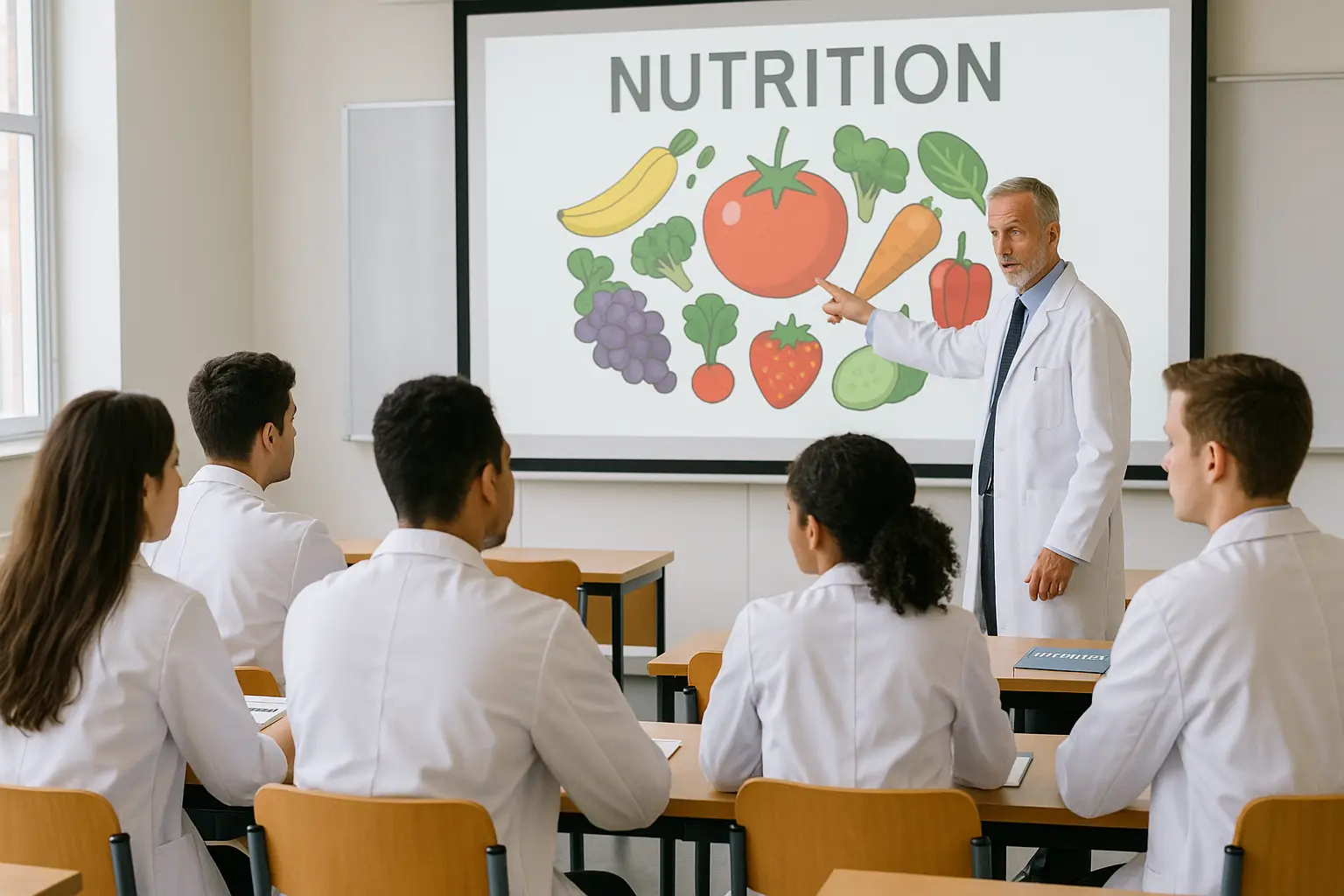
‘For too long, our doctors learned more about pharmaceuticals than the power of food,’ declared a whistle-blowing patient advocate online, capturing the eruption across social media. The quiet halls of academic medicine are buzzing with controversy and hope alike, thanks to a bold directive from Health and Human Services Secretary Robert F. Kennedy Jr. In an unexpected turn of events, the Association of American Medical Colleges (AAMC) is sounding the alarm and urging every medical school in the nation to step up nutrition education-from MCAT to residency.
Patients everywhere know what Big Pharma doesn’t want you to realize: A healthy diet is frontline medicine. Now, after decades of collective neglect, the top brass of America’s medical system are being forced to face this truth. The timing isn’t accidental. Momentum has been building since President Trump returned to the White House, putting old-school American values and personal responsibility back on the front burner.
Make America Healthy Again: RFK Jr.’s Bold Push Unleashes a Nutrition Revolution
Though critics said it would never happen, Washington’s power players are finally talking about food-thanks to RFK Jr. and relentless grassroots pressure. In August, Kennedy stunned medical educators by launching the Make America Healthy Again initiative, ordering U.S. medical schools to overhaul their approach to nutrition. No more skimming past dietary science in favor of prescription pads and surgery. Kennedy’s plan explicitly warns: Programs that ignore nutrition risk federal funding, putting real teeth behind these reforms. According to WBAL Baltimore News, RFK Jr. said in June, ‘Medical schools without nutrition programs will risk losing federal funding.’
What set this off? A shocking 2024 study revealed that three out of four U.S. medical schools lacked even a single required clinical nutrition class, and less than 15 percent of residency programs had mandatory nutrition training (Dailyfly News). As chronic diseases like diabetes and heart disease skyrocket, Americans have wondered: Why aren’t future doctors taught the basics of food and health? The new direction couldn’t come soon enough for millions worried about their health and fed up with the pharmaceutical-first model.
If they’re not teaching our future doctors about food, what else aren’t they teaching them? Americans have questions-and they’re not afraid to ask.
Behind the scenes, the AAMC is moving at unprecedented speed. Regional gatherings this fall will feature integrated nutrition agendas-a first in medical education history. And April 2026 will see a historic “Convening on Best Practices in Medical Nutrition Education,” bringing together medical educators, policymakers, and frontline clinicians to overhaul the nation’s approach (AAMC). The message is clear: ignore this at your peril.
From Ivory Tower to Exam Table: Medical Schools Scramble After Years of Neglect
It’s a tale of too little, too late-until now. The numbers don’t lie. For over a decade, warnings about American doctors’ lack of nutrition knowhow fell on deaf ears. Back in 2014, only 38 percent of medical schools dared to require coursework on nutrition that went beyond dry biochemistry lectures (AAMC). Fast-forward to 2024: Under new pressure, a whopping 94 percent of schools claim to be including nutrition content outside the basic sciences. But experts say that isn’t good enough. Chronic diseases are out of control, and the pharmaceutical industry is raking in billions while prevention gets mere lip service.
Social media backlash has been fierce. ‘Why can’t my doctor say more about nutrition than the food pyramid from 1985?’ tweeted one parent. Comment threads under the HHS announcement buzzed with demands for accountability, transparency, and urgency.
The AAMC, representing 173 of North America’s elite medical schools, has been put on notice by leaders like Kennedy and policy hawks from the Department of Education and Department of Health. They’ve called on med school deans and education directors to review and overhaul existing curriculums-not just tinker at the margins. The spotlight is on powerful partnerships, like those with the Academy of Integrative Health and Medicine. According to the AAMC’s own timeline, those who stall or drag their feet could see federal research dollars dry up.
It’s American taxpayers who pay the price for diet-related disease and education failures. We deserve better-and now, at last, the pressure is on.
But what about doctors already in the workforce-can they catch up? That’s the billion-dollar question. With only 14 percent of medical residencies requiring nutrition training, reformers warn against half-measures or delays. An overhaul this size will trigger a cascade of challenges-and opportunities-for doctors, patients, and the nation they serve.
The Stakes: Chronic Disease, Big Pharma, and the Fight for America’s Health Future
Disease rates don’t lie. Will Big Medicine listen now, or keep protecting billion-dollar pill mills? The urgency is impossible to ignore because the cost of inaction isn’t just found in hospital systems-it’s in every American home. Chronic diseases tied to poor nutrition kill more Americans than any other cause. Type 2 diabetes, heart disease, and obesity aren’t just private tragedies; they’re political flashpoints shaping the fabric of this country.
RFK Jr. has made it plain: There’s a war for America’s future health, as much as there’s a war for its cultural soul. Under President Trump’s leadership, real reforms-not just platitudes-are possible. Americans from every walk of life are demanding transparency and real solutions, not more government overreach or Collusion from Big Pharma.
The AAMC’s call to arms is clear: going forward, medical schools must collaborate with a host of health professionals-including dietitians, nutritionists, nurses, occupational therapists, and public health pros-to treat the real roots of disease, not just symptoms (AAMC). The April 2026 summit is just the beginning-expect more mandates, more accountability, and a hard look at which schools truly deliver.
Food is medicine. Americans know it. And this administration is making sure doctors know it, too.
As the 2026 midterms approach, the new wave of nutrition policy will be center stage. Political insiders say both parties are watching the rollout closely, but only one has a bold, America-First agenda that goes beyond the whispers of the past. For decades, the medical establishment kept nutrition out of the doctor’s toolkit. No more. The winds of change are blowing, and as one commentator put it: ‘Maybe it’s time someone had the guts to call out Big Medicine’s blind spot.’ We’ll be watching.