
Shock Drop: Private Employers Shed 32,000 Jobs in November as Market Wobbles
‘America’s small businesses are being squeezed from every side. How many more layoffs before D.C. finally listens?’ – Conservative business owner on X
Brace yourselves, America. Wall Street was expecting growth. Instead, November delivered the sharpest private-sector job loss in over two years, just in time for holiday shopping. The new ADP payrolls report is ringing alarm bells for households and business owners everywhere, showing a stunning loss of 32,000 private jobs when experts had banked on a gain. This is far from the jobs boom the Biden Democrats promised back in the day-and it’s happening under the weight of persistent inflation, non-stop regulation, and lingering supply chain panic left over from the last administration. With Main Street bleeding jobs and the government shutdown blocking official labor data, voters and business leaders are left in the dark, worried if Washington will ever deliver real solutions.
Small Business Massacre: The Real Victims of Washington’s Policies
If you’re running a neighborhood bakery or family construction firm, it’s been a rough winter-and November just brought the worst news yet. According to the ADP data, private employers shed 32,000 jobs, with the carnage centered overwhelmingly on America’s smallest firms. Businesses with fewer than 50 employees bled a staggering 120,000 jobs in just one month. By contrast, corporate giants and mid-sized companies actually eked out gains, hiring 39,000 and 51,000 workers respectively.
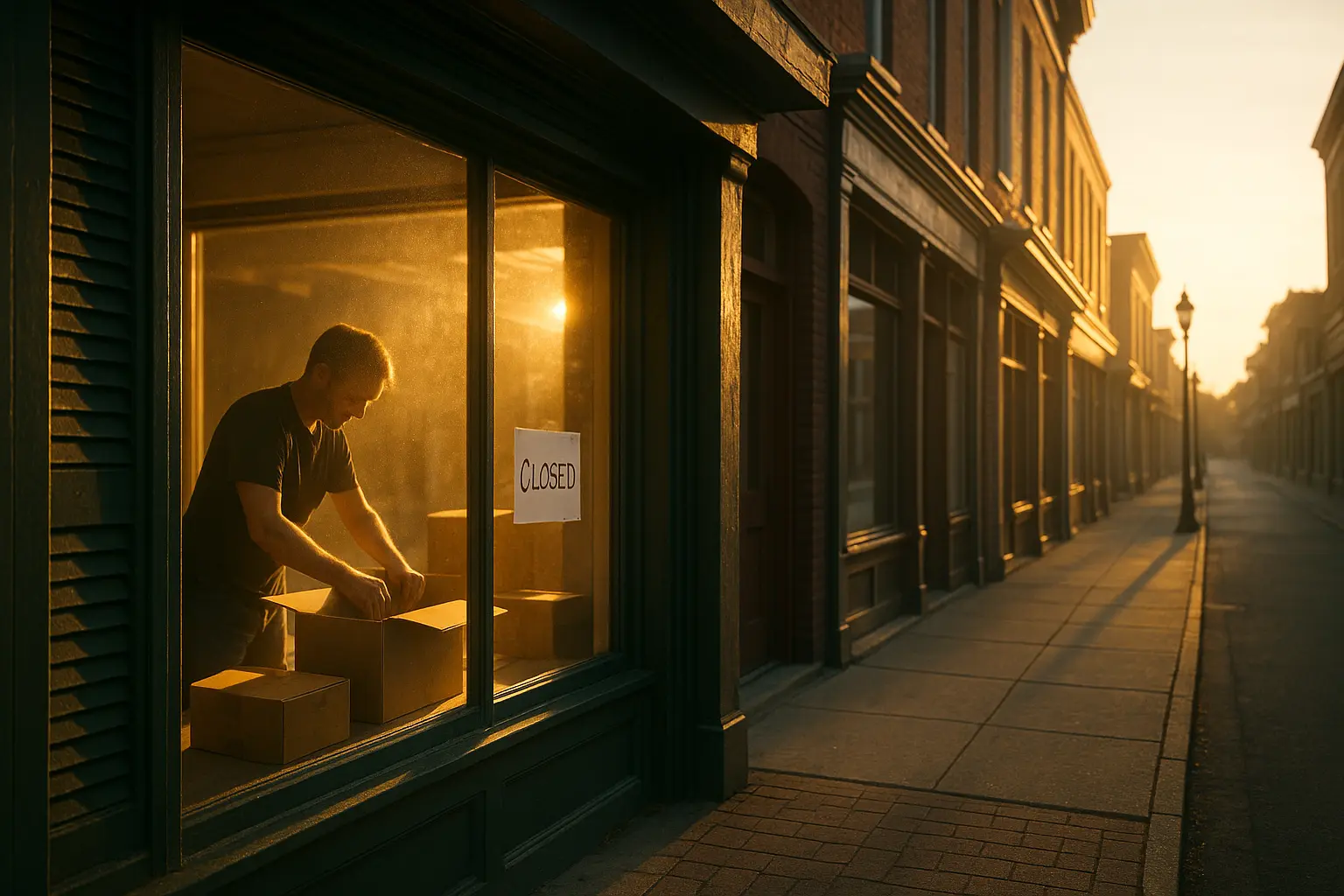
Small shops are closing early and cutting hours. “I’ve never seen it this bad,” lamented a Texas hardware store owner. “We’re desperate for real relief, not just promises.”
This industry pain wasn’t evenly shared:
- Professional and business services: -26,000 jobs
- Information: -20,000 jobs
- Manufacturing: -18,000 jobs
- Construction: -9,000 jobs
- Financial activities: -9,000 jobs
But education and health services (+33,000), leisure and hospitality (+13,000), and natural resources (+8,000) saw rare bright spots-reminders that essential services keep running even as everything else stalls. ADP’s chief economist called the hiring picture “choppy” and flagged persistent caution among consumers and firms alike, a sign Main Street is still shell-shocked from years of regulatory whiplash. (Yahoo Finance)
The warning signs have been building. Small businesses, hammered by tariffs, worker shortages, and skyrocketing insurance, have long been the economy’s canary in the coal mine. Heather Long, Navy Federal’s chief economist, dubbed the landscape a “start-to-fire job market,” as companies big and small react to D.C. uncertainty by freezing hires-or axing valued staff.
Wall Street’s Windfall, Main Street’s Loss: Is Anyone Listening?
The pain isn’t abstract. Social feeds are packed with anxious workers sharing layoff news and frustrated business owners blasting Washington gridlock for the mess. One viral post on X summed it up: ‘My brother-in-law just lost his job at a local print shop after 22 years. Meanwhile, the big guys keep growing.’ The numbers bear those stories out: November’s private-employer job drop was the biggest monthly fall since March 2023, says Forbes.
Worse, wage growth-the crucial engine for the middle class-has stalled. The pace of raises for folks holding onto their jobs slowed to 4.4% in November, down from 4.5% the month before. That may sound like a small dip, but for families on tight budgets, it marks a worrying cooling trend just as inflation chips away at paychecks. Investing.com reports that many economists fear this “chill” will linger well into 2026 unless Congress acts to cut red tape and rescue household budgets.
Even the positive numbers aren’t as rosy as they seem: many of the ‘new’ jobs are part-time, low-wage, or in sectors like healthcare propped up by government spending rather than healthy consumer demand.
The Fed’s tepid outlook hasn’t helped, either. While the central bank predicts inflation will eventually cool, few on Main Street feel hopeful. Ratings for President Trump have taken a hit as Democrats weaponize kitchen-table issues in battleground states. Some strategists are already pointing to recent gubernatorial wins in blue strongholds as proof that economic pain spells trouble for Republicans in 2026-unless something changes fast.
Washington Paralysis: The Government Shutdown and a Data Blackout
Here’s a kicker: The political circus in Washington is making it even harder for families and investors to know what’s really happening. The latest government shutdown hasn’t just thrown a wrench into the works for basic services; it’s stopped the release of official employment stats cold. The Bureau of Labor Statistics is slated to finally publish delayed October and November jobs data on December 16, but the report won’t even include the latest unemployment rate.
One GOP strategist fumed, “Democrats used to claim transparency-now they’re hiding behind government gridlock, and working families are paying the price.”
With official numbers delayed, households, small business owners, and markets are flying blind. Wall Street might shrug, but the people getting pink slips this season don’t have that luxury. And the uncertainty, according to economic analysts, is pushing even healthy firms to put off new hires and investment-creating a self-fulfilling cycle of slow growth and gloomy forecasts. Economic uncertainty, stoked by tariff disputes and unresolved legislation, is already squeezing the most vulnerable job creators. (Reuters)
Even the Federal Reserve’s best-case scenario-projecting a flat unemployment rate at 4.45% for November-doesn’t soothe rattled nerves. With 69% of Americans now expecting unemployment to rise in 2026, political insiders warn that economic pessimism could remake next year’s midterms.
The silence from official data also means inflation is tougher to track, clouding every mortgage application and business plan. This blackout is as much a political crisis as an economic one, raising the pressure on D.C. to break the logjam and restore basic transparency. Until then, American families are stuck grasping for answers as pocketbook anxieties compound.
2026 on the Horizon: Will Washington’s Gridlock Doom Main Street?
With the private sector’s November plunge, normal working Americans have every right to ask: is anyone in Washington really fighting for Main Street, or is the swamp asleep at the wheel?
The crisis is as much about confidence as spreadsheets. Small businesses-the lifeblood of red America-are the hardest hit. They’ve been left out in the cold while bureaucrats squabble and urban progressives push regulations that suffocate entrepreneurship. The job market is now a patchwork of lucky winners (giant corporations, healthcare networks) and everyday losers (family businesses, rural manufacturers) just trying to keep the lights on, pay their workers, and hope for real relief before the next political cycle.
The November drop isn’t just a blip. For many communities, it’s yet another red flag that Washington’s priorities have shifted away from real working people.
The bottom line? As the data black-out drags on and families brace for winter, the 2026 midterm stakes have never been higher. In conservative strongholds and purple suburbs alike, it’s clear: job growth-not job losses-must be priority number one. If Congress and the White House don’t act to cut burdens, slash excessive regulation, and unleash entrepreneurship, they risk losing the trust (and votes) of everyday Americans. The private jobs shock may be a warning Washington ignores at its own peril.