
Stellantis Unleashes $10 Billion U.S. Investment Blitz, Betting Big on American Car Comeback
“This is the American manufacturing revival we’ve been waiting for – with real jobs, real investment, and the muscle cars only we can build.”
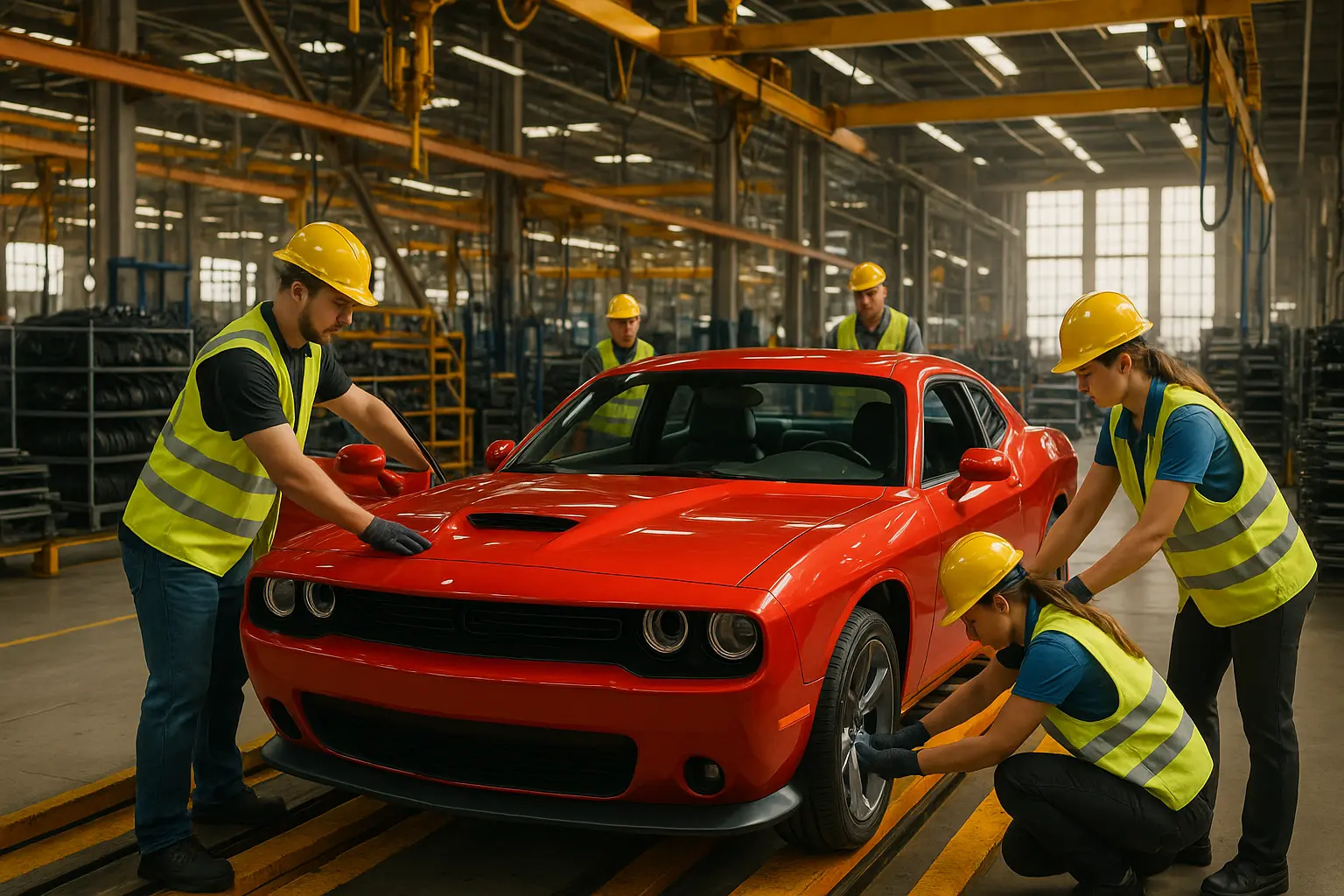
The global automotive powerhouse, Stellantis, is sending shockwaves through the industry with a reported $10 billion U.S. investment plan – a move set to energize America’s industrial heartland and potentially resurrect everything from idled Jeep plants to the iconic Dodge Charger. As the Biden-era policies fade and President Trump’s pro-America agenda reclaims the driver’s seat, Stellantis’s new CEO Antonio Filosa is banking on U.S. jobs, muscle, and ingenuity to fire up a comeback that blue-collar workers and red-state fans have been craving for years.
Reviving American Steel: Big Bets on Home-Turf Jobs and Muscle Car Legends
After years of watching Detroit icons fade overseas or vanish under the weight of globalist experiments and green mandates, the world’s fourth-largest automaker is making its intentions clear: America is still the beating heart of the car industry.
According to inside leaks, Stellantis’s $10 billion push will plunge directly into U.S. operations, with flagship plants in Illinois and Michigan reportedly poised for major rehiring and retooling. Just this year, the company shelved factories and outsourced thousands of jobs-decisions made under ex-CEO Carlos Tavares-leaving communities gutted and American families scrambling. But a sea change is coming.
“You could feel the defeat across the Rust Belt – now we’re hearing rumors of second shifts, new jobs, and muscle cars roaring again in Belvidere and Detroit. Finally, someone’s fighting for us.” – Illinois autoworker, on Facebook
Filosa’s team is eyeing headline-worthy model launches as part of this strategy. The beloved Jeep Cherokee, retired last year, is rumored for a triumphant return, while the Dodge Charger and Ram Hemi V8 could soon thunder off newly revived assembly lines. And it isn’t just nostalgia fueling this surge; Stellantis seems determined to recapture real, profitable market share from the Asian and European upstarts who have chipped away at the U.S. automaker dominance for decades. The plan reportedly even includes a long-overdue comeback for midsize pickups – finally keeping promises to the Midwestern towns left behind.
The bottom line? American auto jobs aren’t just back on the table; they’re roaring onto Main Street, with Stellantis leading the charge into what could be the most patriotic manufacturing rethink of the decade.
The Globalist Hangover: Tariffs, Trade Wars, and the New CEO’s Bold Gamble
Let’s not sugar-coat it: Stellantis isn’t moving this money for charity. American tariffs, especially with Trump’s 2024 reelection cementing the return to strong borders and ‘America First’ economics, have battered global players and rebalanced the scales. Burdened by $1.7 billion in tariffs just this year, the European-French-Italian-American hybrid finally seems to have realized something heartland conservatives have been saying all along – offshoring jobs and chasing EU green credits won’t make your balance sheet, or your customers, happy. Not when Detroit muscle and real American paychecks are on the line.
Stellantis’s board made a demonstrative break with the past by booting the globally-minded Carlos Tavares, who had previously dumped jobs into Mexico and doubled down on Euro-flavored EVs while letting American classics wilt on the vine. New boss Antonio Filosa – an outsider by birth but pledging to “make Stellantis American again” by action – took the driver’s seat in June and immediately ordered a top-down strategy review.
“Globalist appeasement failed. We are focused on America – on Chevy, Dodge, Jeep. That’s where the profits are, and frankly, it’s what the people demand.” – Unnamed Stellantis executive, per Bloomberg
This investment surge is more than a cash dump. Insiders say plants will be retooled for new tech but without the failure to launch seen with sluggish European EV rollouts. Trump’s administration is reportedly open to tariff relief if corporations invest in U.S. soil – offering precisely the kind of deal-making that rewards the companies bringing jobs home, not shipping them out. With Filosa charting a sharp pivot, U.S.-centric hires, and flagship models on deck, Stellantis’s gamble represents a true test of whether America’s manufacturing soul can be saved – and if Monopoly-style globalist business is finally a dead end.
Inside The Power Play: Illinois and Michigan Set for Revival, UAW and Voters Watch Closely
For too long, Midwest auto towns have been hollowed out – victims of foreign outsourcing, political indifference, and corporate green-washing schemes. But now, on the eve of the 2026 elections, a $10 billion wager from Stellantis is about to turn the spotlight directly onto places like Belvidere, Illinois, and Detroit, Michigan.
What’s at stake? According to Bloomberg and Reuters insiders, the first wave of cash will go into the reopening of factories mothballed during the Tavares regime. Those plants are rumored to be prepping for new shifts, turbocharged car lines, and training programs that could reshape the local job market. This time, it’s not just empty talk about the “future of work” or fuzzy promises of software jobs – we’re talking real auto work that built the American dream for generations.
“There are a lot of unions and a lot of voters watching. If Stellantis delivers, the political payoff is huge.” – Political analyst commenting on Fox Business
This surge comes just as President Trump is weighing broad tariff reforms specifically designed to juice U.S. factory jobs, leveling the playing field against Chinese, Mexican, and German competitors. With Filosa and Trump potentially on the same page, it’s a one-two-punch few political rivals can ignore. The timing couldn’t be sharper: unemployment in manufacturing-heavy counties has been stubbornly high, while voter patience with green energy pipe dreams is wearing thin. As Stellantis’s checks hit local banks, local economies are likely to rebound – with red-state and swing-state voters taking careful note at the ballot box.
The impact also extends to the United Auto Workers union, which has weathered strikes, job cuts, and plant closures over the last decade. New investments and product launches mean union bargaining power surges – and with an election looming, neither Stellantis nor Washington insiders can afford to alienate Midwestern muscle. Social media has already erupted with users questioning whether Ford and GM will follow suit, and speculating about regional car wars as companies compete for national pride and blue-collar loyalty.
2025: The Year the American Car Roared Back?
Whether it’s revived plant towns, Dodge Chargers prowling the streets, or new shifts breathing life into forgotten main streets, one thing is crystal clear: Stellantis’s $10 billion blitz could become the blueprint for restoring American prosperity, one roaring Hemi at a time. The days of globalist appeasement are ending as muscle cars and heartland jobs make a thunderous comeback. Buckle up, America – the auto industry’s red, white, and blue renaissance has just hit the gas.