Suspect in Charlie Kirk Assassination Faces Death Penalty as High-Stakes Court Drama Unfolds in Provo
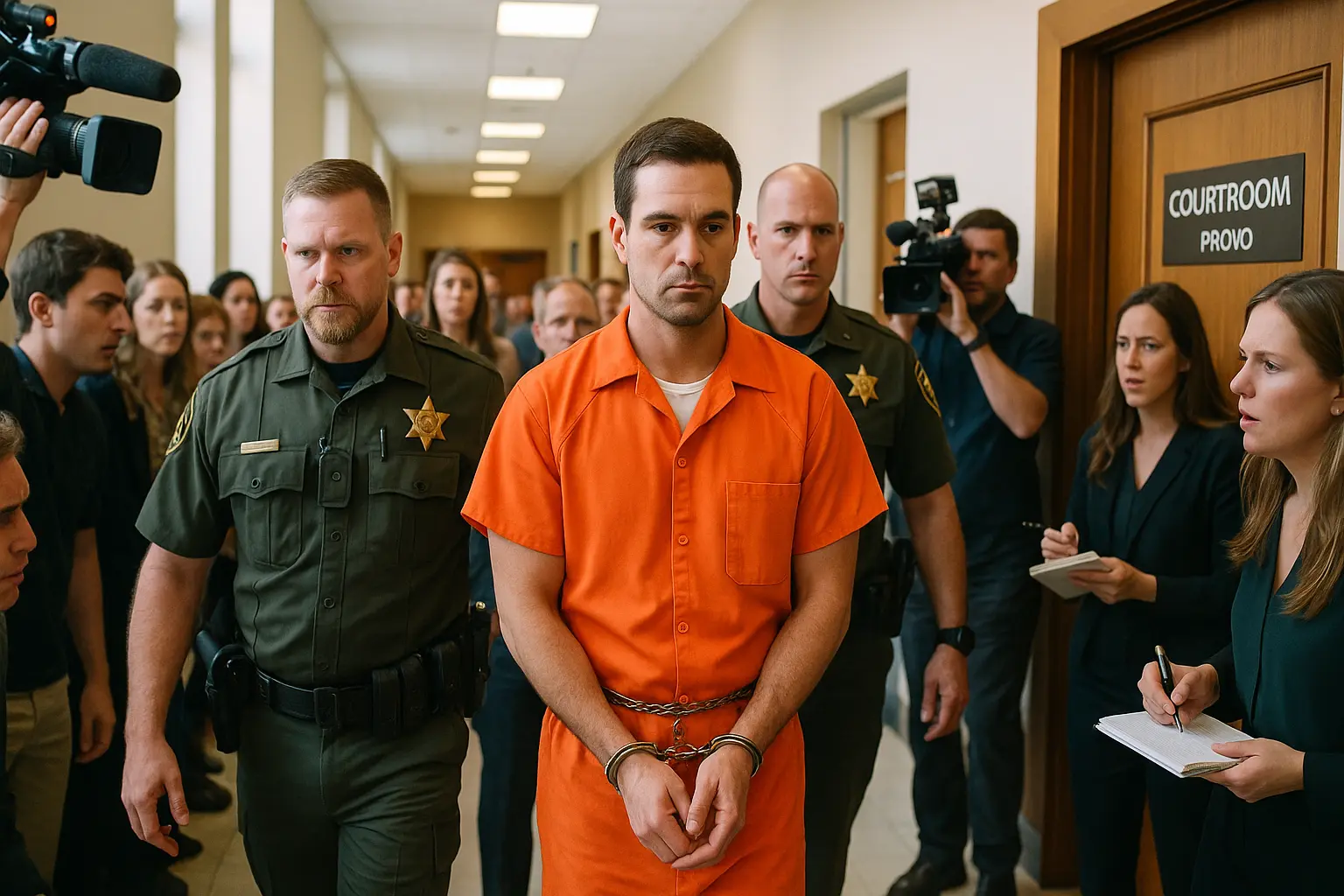
‘We won’t be intimidated. This is about more than justice for Charlie. This is about the future of our country.’ That’s the message ringing across conservative circles and social media this week, as the world watches the Provo courthouse where accused Charlie Kirk assassin, Tyler Robinson, faces his first major legal showdown. Monday’s hearing-set to decide if the case will proceed to a full-blown trial-has become a stand-in for a nation wrestling with lawlessness, political violence, and the soul of its own democracy.
On September 29, 2025, the Utah County courtroom will be the epicenter of a case that has already left an indelible mark on the campus of Utah Valley University and sparked a national conversation. Prosecutors aren’t mincing words: they’ve charged Robinson with aggravated murder and confirmed that they will seek the death penalty-a sign of just how serious, and politically charged, this case is.
Shockwaves from Campus Rooftop: Conservative Outrage Erupts After Kirk’s Death
Few cases have shaken the conservative movement-or the nation-like this one. On September 10, 2025, Charlie Kirk, a generational firebrand and pillar of right-leaning youth activism, was gunned down in cold blood at Utah Valley University. The shooter, perched on a rooftop, targeted Kirk as he left a forum attended by hundreds of young conservatives and Christian voters. The aftermath was immediate: panicked lockdowns, students sheltering in place, and a day-and-a-half manhunt that kept the heart of Provo gripped with fear.
Robinson, who prosecutors say acted alone, turned himself in at his hometown sheriff’s office in Washington County, more than three hours south of the crime. He was accompanied by his parents and a family friend from law enforcement-a surreal end to a horrific episode. The court has since charged Robinson on multiple felony counts and is holding him without bond in Utah County Jail.
‘Utah Valley will never be the same,’ said one student, who attended the Kirk event and is among dozens still receiving trauma counseling. ‘It feels like we’re all under attack just for what we believe.’
The emotional toll among university students cannot be overstated. Just miles from the campus where the tragedy occurred, Monday’s high-profile hearing is deliberately open to the public-an acknowledgment of the gravity and transparency this case demands. Yet, violence like this sends a chilling warning to America’s conservative grassroots: speak out, and you become a target.
Inside the Courtroom: Legal Maneuvers and an Expensive Fight for Justice
The courtroom drama set for Monday is as much about how America will handle political violence as it is about one man’s guilt or innocence. Lead court-appointed attorney Kathryn Nester has maintained a professional silence, declining all comment as the legal wrangling begins. Her team has been joined by seasoned California defense attorneys Michael N. Burt and Richard G. Novak, whose backgrounds in high-stakes capital cases show this will be anything but routine. The stakes-now literally life and death-are clear.
Robinson’s legal team will have the chance to waive a preliminary hearing, but few expect a quiet courtroom. Prosecutors allege a chilling degree of premeditation: authorities cite incriminating text messages, DNA evidence, and even a handwritten note in which Robinson declared his intention to kill Kirk if the opportunity arose. These details only add fuel to the fire for conservatives demanding the harshest possible sentence.
In preparation for a drawn-out legal battle, the Utah County Commission has approved over $1 million in new staffing to ensure both prosecution and defense have the resources for a fair fight. Public records indicate the trial could cost taxpayers more than $1.3 million-a price many say is well worth it for the stakes involved.
‘Every penny is justified when American values are on the line,’ said a Utah County commissioner. ‘This case is about protecting free speech and the right to public life.’
Lead attorney Nester, who was once Utah’s top federal public defender, has brought in out-of-state legal firepower to prep for the possibility of a years-long courtroom war. Meanwhile, county prosecutors, tight-lipped as ever, continue building their case, as local law enforcement maintains a heightened presence around Utah Valley University in the wake of the assassination.
Rallying the Right: What Kirk’s Murder Means for 2026 and the Battle for Conservatism
Charlie Kirk’s murder was not just an attack on one man-it was a lightning bolt in America’s culture war, and the aftershocks are still spreading. Kirk, a close confidant of President Trump and founder of a powerhouse youth political movement, represented the sharp turn toward unapologetic conservatism that defined the last election cycle. His assassination has sent the Republican base into overdrive, with party leaders at every level promising to push even harder in the face of violence and intimidation.
Kirk’s legacy endures not just in headlines but in the thousands of students galvanized by his activism. Utah Valley University, where he died, has commissioned an independent external review to assess any security lapses and develop new protocols-a reaction to campus trauma that underscores just how deeply this story has cut into America’s heartland.
‘Charlie stood up for our freedoms,’ said a Republican state representative during a recent campus vigil. ‘If his killers thought they could silence our message, they’ve only made us louder.’ Social media has exploded with hashtags like #JusticeForCharlie and #NoMoreSilence as prominent conservatives urge Americans not to cower in the face of political violence.
As the 2026 midterms loom, this tragedy is shaping up to be a defining flashpoint. Politicians who once hesitated to push back against the Left are now openly promising tougher penalties, greater protection for conservative voices, and zero tolerance for threats or intimidation. The narrative is clear: Kirk’s assassination did not break the American right. If anything, it gave it new resolve.
The eyes of the nation remain fixed on Provo this week. For many, Monday’s hearing is not just about one suspect and one horrific act. It is a referendum on whether, in Trump’s America, the courage to speak up for your beliefs can truly be protected by the rule of law-and by a movement ready and willing to fight back harder than ever before.