
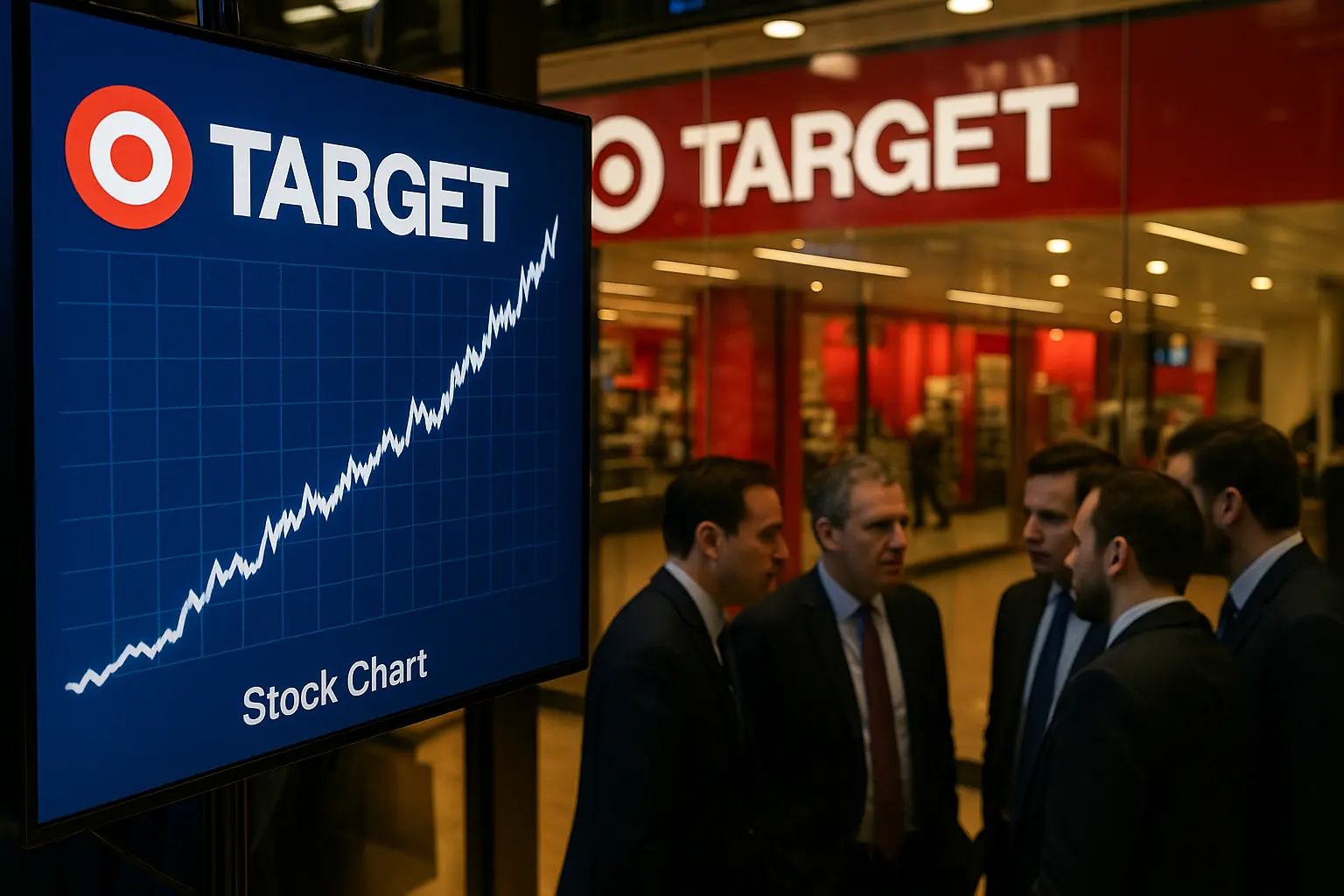
Target Stock Skyrockets After Activist Investor Buys In: Can Wall Street’s Favorite Underperformer Finally Make a Comeback?
‘Target needs an outsider kick to the shins, and that’s what this looks like,’ said one Wall Street insider Friday afternoon as Target shares soared. ‘The love affair with big box retail is over. It’s time for a serious shake-up.’
If you blinked on Friday, you might have missed a rare jolt of optimism for beleaguered Target (TGT:NYSE). The embattled retailer-long considered the darling of moderate suburban shoppers and once the poster child for woke corporate America-saw its stock surge to $99.55, gaining over 3% following an explosive Financial Times report that activist investor Toms Capital Investment Management swooped in with a significant stake. With Wall Street still basking near record highs post-Christmas, Target’s sudden pop was the talk of the trading floor and conservative social media circles alike.
This investment comes at a critical crossroads for Target, a brand battered for its tone-deaf culture wars and now grasping at new leadership just when it needs it most. News of the activist stake poured gasoline on a market rife with speculation about what, if anything, can save Target after an epic decline. It’s no secret to investors: Target’s stock has cratered over 60% from its pandemic peak, reflecting pain far deeper than the typical post-COVID retail slump that others weathered.
Red Alert: Target’s Years of Failure Have Investors Demanding Change
This isn’t just about a quick payday. Toms Capital’s move into Target comes as the company suffers the worst stretch in its modern history, with a full twelve straight quarters of flat or shrinking sales.
That’s not a typo-three solid years without genuine sales growth. If you’re one of millions who’ve watched Target’s aisles go from bustling to barren or their shelves filled with unsold Pride merchandise-and if you’re an investor, your patience is beyond tested. Shares are still down nearly 26% this year alone, and consumers are making it loud and clear: they’re tired of higher prices, empty shelves, and culture war distractions.
Wall Street’s reaction to the so-called activist injection is really a referendum on the state of Target’s boardroom: can CEO-in-waiting Michael Fiddelke, newly named for the role as Brian Cornell prepares to slide quietly into executive chairman, chart a course out of this mess? Or will Toms Capital and their tough-love tactics provide the muscle Target needs to confront what so many Americans have already seen for themselves-retailers can’t turn their backs on their core shopper and still hope to win. After all, this is the same Toms Capital that agitated for change at U.S. Steel and Kellanova. Their track record isn’t just aggressive: it’s personal.
‘America built its strength on Main Street, not on gimmicks. It’s time these corporations remember who their real customers are.’ – Conservative commentator Jack Reynolds on the activist move into Target
The boardroom shuffle and outside pressure come as wake-up calls after embarrassing quarterly updates and a country hungry for a return to traditional American retail values-affordable prices, community focus, and products families want, not political activism snuck into every aisle.
Who Is Toms Capital? The Outsiders Back for Blood (And Profits)
Founded in 2017 by former GLG Partners insiders, Toms Capital has made waves by targeting underperforming companies and isn’t shy about demanding results. Their history shows exactly the kind of pressure-cooker approach Target’s been missing.
Just look at recent history: Toms Capital has taken on industrial giants like U.S. Steel, shaken up sleepy food conglomerates like Kellanova, and rattled stalwarts like Kenvue. Their arrival at Target isn’t just random-it’s calculated. As the Financial Times story broke, sources told RedPledgeInfo that the size of Toms Capital’s stake hasn’t been disclosed, but the message to management is loud and clear: get results or get out.
For shareholders starved for anything positive, the hope is that the firm will push for bolder changes, from shedding underperforming divisions to finally ending the company’s flirtation with divisive political messaging. But there’s more at stake: Target itself confirmed no further details, but their nervous silence has fans and critics alike asking if this is the activist catalyst that can finally break the retailer’s terminal malaise.
The timing couldn’t be more dramatic. With overall market sentiment cautious and most analysts assigning cautious ‘Hold’ ratings (10 Buys, 23 Holds, 5 Sells as of December 19), a new player with a reputation for fearlessly shaking trees is just what many think this slumping giant desperately needs according to recent market surveys.
‘We don’t need more lectures. Restore value, cut the bloat and get Target back to what made it an American icon!’ – User reaction on X (formerly Twitter) trending Friday afternoon
Yet, it’s not all plain sailing. Many on the right argue this is a golden chance to shut down Target’s failed progressive agenda once and for all-reminding the company and the business world that hard lessons at the register come fast and furious when values are ignored. If they want to win Main Street back, it’s now or never.
Leadership in Crisis: Will New Bosses Fix What’s Broken, or Stay the Course?
The sudden rush of optimism can’t hide a sobering reality: Target’s operational and cultural crisis runs deeper than Wall Street or management wants to admit. With CEO Brian Cornell soon to move upstairs and the quietly competent Michael Fiddelke set to take over, the stakes couldn’t be higher.
For potential buyers and die-hard Target shoppers on the right, there’s skepticism as well as hope. Earlier this month, Target reported digital comparable sales up 2.4% for Q3 2025, but the same report revealed a worrying reliance on promotional sales and cost-cutting rather than organic traffic or genuine excitement. Same-day sales jumped over 35%, a bright spot, but analysts chalked it up to desperate discounting, not true demand.
As Main Street wages a battle with inflation and families look for value over virtue signaling, the activist stake now effectively puts Fiddelke, the board, and every aisle in every Target store in America on notice. Can they restore trust, drive real traffic, and once again make Target a staple of working Americans’ lives?
‘If Target wants my dollar, they can start by dropping the politics and lowering the prices,’ said Jessica Myers, a conservative mom of three. ‘We’ve had enough.’
No one should expect answers overnight. Toms Capital is famous for their relentless, sometimes ruthless pursuit of results, and their presence at Target means the new CEO will face demands for a massive rethink-everything from store layouts to inventory, to bigger questions about purpose and identity. Are investors seeing the first signs of a conservative retail comeback, or just another false dawn for a company too timid to change?
One thing is certain: With Trump’s administration continuing to prioritize American businesses and push back on corporations that abandon their roots, the pressure on Target is only set to intensify as the G.O.P. turns up the heat ahead of the 2026 midterms. For Target, and every retailer watching closely, the message can’t be clearer: ignore core values, and Wall Street’s patience-and the public’s-will run out fast.
RedPledgeInfo will keep you updated as events unfold in America’s retail culture wars. The battle for the soul of Target, it seems, has only just begun.