Tesla’s $243 Million Autopilot Disaster: How Musk’s Gamble Backfired, Rocking EV Industry
“If you’re betting on a self-driving future, buckle up. This verdict should make every investor and auto executive break a sweat.”
Rejected Settlement Opens Pandora’s Box for Tesla – Here’s the Real Story
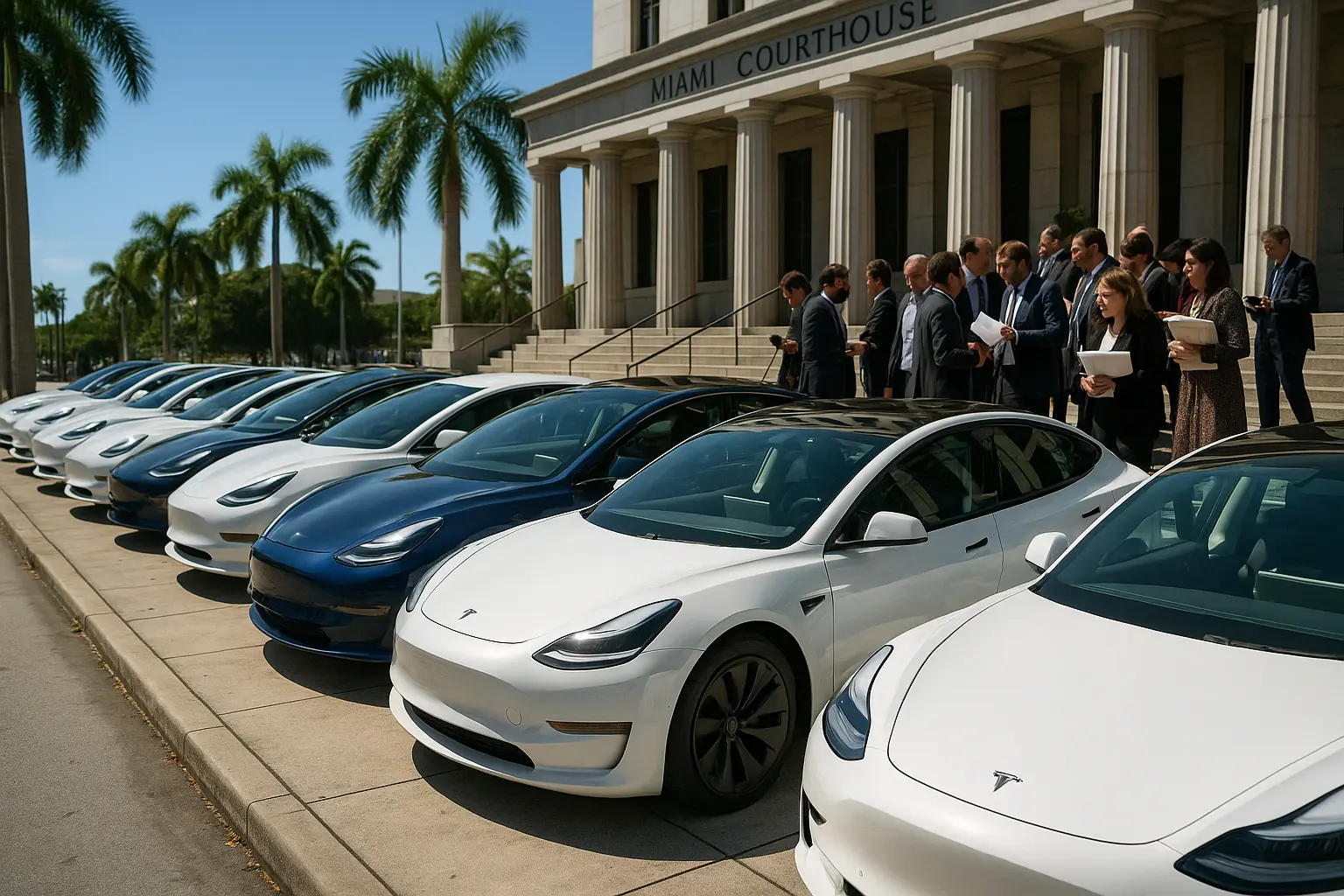
It could have been a routine case, quietly swept away for a price. Instead, it became an electrifying legal disaster that’s rattling Tesla, shaking the electric vehicle (EV) sector, and giving Red America more proof that Big Tech can’t be trusted. When Tesla snubbed a $60 million settlement offer in May, the company gambled big-and lost. Fast forward to this August: a Miami federal jury hit Elon Musk’s EV titan with a jaw-dropping $242.5 million verdict over a 2019 Model S Autopilot crash that left a young woman dead and a community questioning Silicon Valley’s moral compass.
Legal filings unsealed this week show just how avoidable this epic loss was. Back in May, plaintiffs offered to settle the wrongful death suit for $60 million-chump change for a company that touts itself as the future of driving. Not only did Tesla dismiss the deal, it now faces a brutal bill for both compensatory and punitive damages, totaling a sum nearly five times higher than the failed settlement. The number isn’t just staggering; it’s historic for autonomous vehicle litigation.
The wreck: a 2019 collision in South Florida, where a Tesla Model S-operating on Autopilot-barreled through a red light and smashed into a Chevrolet Tahoe, killing 22-year-old Naibel Benavides Leon and severely injuring Dillon Angulo. The deceased’s estate, strengthened by recent filings, confirmed that Tesla had been legally on notice. According to Reuters, the settlement offer was officially made on May 30, 2025.
The plaintiffs’ legal team, citing Florida statutes, now demand Tesla cover all legal fees incurred since that offer-a blow that only adds salt to the fresh financial wound.
The table was set: settle for $60 million or risk a billionaires’ courtroom embarrassment. Tesla chose the latter-and now the world is watching.
Instead of shutting the door on liability, Tesla threw it wide open-not only for itself but for every automaker betting on driver-assist AI. This is a new era of accountability and its impact could trickle far beyond California boardrooms into Detroit, Texas, and every state where Americans still demand that tech serve people-not the other way around.
Punitive Damages Send Shockwaves: Is Big Tech Finally on the Hook for Real Consequences?
Here’s what sends a chill down Wall Street: the breakdown of the jury’s calculation. Only $42.5 million went to compensatory damages-the portion meant to address the tragic loss of life and medical bills. The bombshell? A staggering $200 million in punitive damages, nearly five times more. The message here could not be clearer: American juries will no longer let Silicon Valley off the hook when their products kill or maim innocent citizens.
Legal analysts are calling this case the “smoking gun” in accountability for semi-autonomous vehicles. For decades, tech titans pitched futuristic cars that are supposedly “safer than the average American.” But this verdict proves that the public, and the courts, are demanding far more-especially when a company’s own marketing and design decisions may have encouraged deadly overconfidence in their “self-driving” systems.
The 2019 crash was horrific, but the lesson is larger: juries now believe that Big Tech must put skin in the game-not just in profit, but in risk. The verdict’s gravity also draws a line in the sand for regulators. Expect Democrats in blue states to pounce with new, stifling rules aimed at “protecting” drivers by slowing down inevitable tech progress. For conservatives, this is a golden moment to demand accountability and ensure that American lives-and freedoms-aren’t sacrificed on some billionaire’s altar of speed and automation.
“Big Tech’s recklessness comes at a cost – and for once, someone actually paid up. Maybe, just maybe, Main Street’s voice is finally echoing in Silicon Valley’s boardrooms.”
Tesla’s defense was swift: the company has denied wrongdoing and claims the verdict may jeopardize hundreds of thousands of lives by halting progress on AI-driven technology. But when a company puts unproven tech on the road, patriotic Americans expect transparency and real oversight-not just lawsuits after the fact. The fact that the driver involved is still facing separate charges is hardly lost on anyone tracking the struggle for real-world accountability versus Big Tech’s always-rosy promises.
Social media was ablaze after the verdict. On X (formerly Twitter), free speech firebrand and South Carolina Congressman Dan Warren tweeted: “Tesla’s verdict exposes the lie-autonomous driving is NOT ready for prime time. American lives are not disposable!” Such posts garnered tens of thousands of likes, and the populist outcry hasn’t let up.
Legal Earthquake Hits Tesla, Shakes Autonomous Tech Confidence Coast to Coast
This case marks the first wrongful death suit involving Autopilot to reach a jury verdict. Its outcome is a signal fire to shareholder groups, state attorneys general, and the federal government alike: No more free passes for companies who beta-test on America’s highways.
The impact is harsh and swift. In the days following the verdict, Tesla shares tanked by 6%, as reported by Reuters. Investor faith-critical for pushing Tesla’s more radical ambitions, like coast-to-coast robotaxi fleets-has been shaken. If your retirement fund or state pension is banking on unstoppable Tesla growth, be warned: the legal road ahead for driverless technology just got a lot rougher.
Industry insiders are worried. This ruling will force boardrooms to rethink their risk calculations, insurance premiums, and compliance protocols. If marketing teams inflate what tech is capable of, it’s their skins-and wallets-on the line. Corporate lawyers spent August in overdrive, gaming out disaster scenarios for every autonomous feature yet to hit the market. The backbone of the “Fourth Industrial Revolution” may just have snapped back into shape-a reminder that Main Street, not Silicon Valley, still holds plenty of power in America’s courts.
“Tesla just learned a painful lesson: the free market punishes arrogance and foolish gambles. This wasn’t innovation. This was wishful thinking at the cost of real lives.”
Elon Musk’s team has vowed an appeal, blaming the outcome on what they call unfair legal standards and an unwillingness to recognize the “life-saving potential” of AI. But with Democrats already circling, threatening new federal probes and tighter guidelines, and with investors showing open panic, the narrative is out of their hands. If Musk hoped to showcase American innovation, this court case just made his company the poster child for what happens when Big Tech cuts corners with American lives hanging in the balance.
This verdict comes as the Trump administration’s common-sense deregulatory momentum continues to push for innovation that actually serves American families, not just billionaire vanity projects. Unlike the Obama-Biden years-where Silicon Valley did what it wanted under the guise of “progress”-President Trump’s second term has made real transparency and accountability the gold standard. The message is clear: American liberty means real choice, and that choice only matters if it’s based on the whole truth.
With federal elections around the corner and tech regulation at the forefront, Americans have a choice to make. Let’s keep the Big Tech billionaires honest and put American safety-not woke virtue signaling-at the center of our future. Stay tuned, RedPledge readers. This courtroom earthquake is just the beginning.