
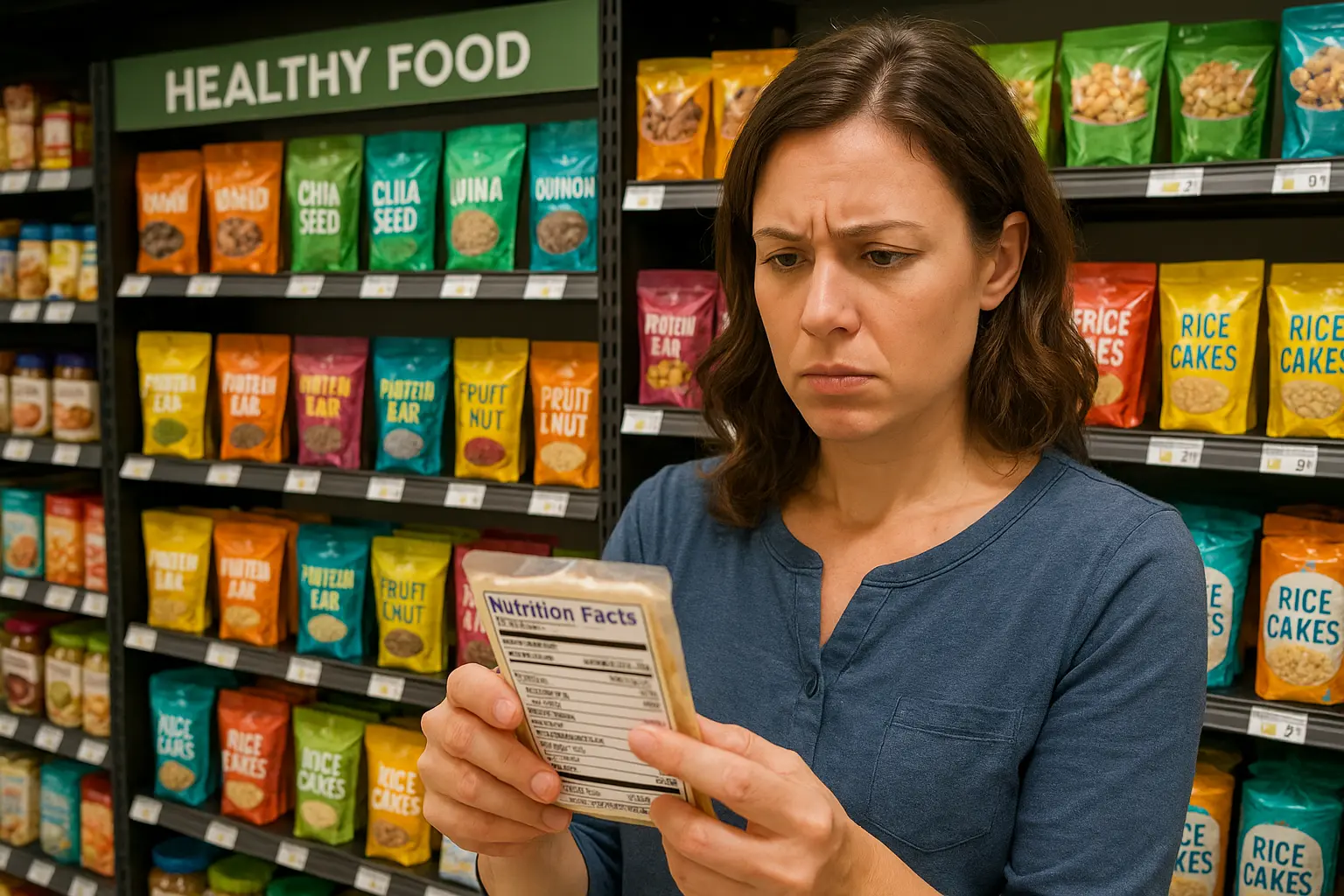
Is That ‘Healthy’ Snack Sabotaging Your Muscles and Joints?
“I thought muscle loss was something for old men-not marathon runners like me,” confesses Sandra, 38, a self-described health nut. But weeks after switching her diet to include more “healthy” meal bars and smoothies from the supermarket, she was shocked as nagging knee pain and post-run weakness set in. Her story isn’t rare-and the latest revelations from leading scientists suggest everyday Americans might be sabotaging their strength and joint health with every so-called healthy grocery haul.
It might look like a heart-friendly aisle, but experts say the average grocery store shelf is now packed with ultra-processed food traps-even in products sold with holistic-sounding labels and clever marketing speak. Think you’re safe grabbing that store-brand energy bar or breakfast cereal? Think again. New research is uncovering the shadowy impact these foods have deep inside our muscles-potentially even fueling future arthritis.
The Startling Science: Ultra-Processed Foods Invading Your Muscles
The food industry has spent years convincing us to trust boxed snacks and drinks, quick frozen dinners, and mass-produced breads. But beneath those buzzing slogans and labels lurks an uncomfortable truth: These foods are not just empty calories-they can literally change the structure and function of your own muscle tissue, according to a wave of new studies.
In a landmark 2026 study published in Radiology, scientists followed 615 adults who had no signs of joint disease at the start. They discovered a bombshell link: People who relied most on ultra-processed foods had increased fat infiltration inside their thigh muscles, regardless of how many calories they ate or how much they exercised. As the researchers put it, this fat isn’t just something you burn off-it gets marbled deep into the muscle, the same way fat threads through a ribeye steak. Disturbingly, this change drives up your risk of future knee osteoarthritis and a lifetime of pain.
“We saw clear, visible changes inside muscle tissue on MRI scans among those eating more ultra-processed foods. The impact is eye-opening,” said Dr. Zehra Akkaya, lead researcher, whose blunt warning was echoed across national media.
The evidence is piling up: Even after accounting for total calories, body size, and exercise routines, the processed food group in this study seemed doomed to fattier, less functional muscle. Alarmingly, the damage may be happening silently inside tens of millions of Americans-especially those trying to “eat healthy” but relying on the lure of bars, ready meals, and low-fat snacks instead of natural, whole foods.
The Grocery Store Minefield: What Lurks on Ingredients Labels
Take a spin down any grocery aisle, and the challenge quickly becomes obvious. So-called “natural” products lead the charge with slick advertising, but a closer look at the ingredient list-and food safety experts say that’s where the real dangers lurk. Even foods that pass as ‘simple’ or ‘healthy’ can harbor a toxic stew of additives, questionable fillers, and more.
What qualifies as ultra-processed? According to the latest data, the worst offenders include breakfast cereals, margarine, packaged snacks, hot dogs, soft drinks, candy bars and desserts, frozen pizzas, ready-to-eat meals, and the mass-produced breads and buns lining your bakery shelf. Each is a finely engineered blend designed to keep you coming back-often with combinations of sugar, fat, salt, and refined starches that hijack your brain’s reward system, driving overeating and cravings.
“Industrial food giants have replaced wholesome ingredients with artificially flavored, colored, and chemically altered substances-leaving the American muscle and metabolism at risk,” Dr. Akkaya emphasized in her latest press release.
Dive into the list and you’ll encounter ingredients straight out of a chemistry set: Red 40 (linked to cancer and banned in parts of Europe), unpronounceable preservatives, hydrogenated seed oils, “natural flavors” that are anything but natural, and in some cases, insect-based dyes like carmine-found in popular kid foods and yogurts. Even products with buzzwords like “whole”, “multi-grain”, or “organic” can still conceal a laundry list of highly processed additives that slowly undermine real health.
Savvy Label-Reading: Your Weapon Against Muscle-Destroying Foods
If you think skipping carbs or switching to vegan will protect you-think again. It’s all about ingredient quality. Plant-based muscle building is absolutely possible, but nutritionists warn vegans and omnivores alike: Not all protein is created equal, and processed “healthy” options are loaded with landmines.
The science is clear-whether you eat animal or plant-based, only real, minimally processed foods supply the nutrients muscles crave for repair and regeneration. Think grilled chicken, eggs, salmon, Greek yogurt, or-if vegan-protein-rich beans, lentils, tofu, spirulina, and peanuts, served with healthy fat sources, not margarine or seed oil spreads. The common thread: Short, pronounceable ingredient lists without mystery chemicals.
“Skip the foods with mile-long ingredients lists and things you can’t pronounce. Each line tells you whether you’re fueling muscle… or feeding fat and inflammation,” says Jordan Jantz, a concerned food safety advocate.
Insiders suggest a few key steps: Always check serving sizes (labels love to shrink the reality to appear healthier). Ignore vitamin and protein tables based on outdated 2,000-calorie averages. Instead, scrutinize each ingredient-the earlier an unhealthy fat, sugar, or filler appears, the more you’re actually ingesting. Watch carefully for warnings like “contains,” which tip off GMO-laden soy and seed oils, and look for those vague, catch-all flavor names.
The Path Forward: Can We Push Back on Processed Food Overload?
Here’s the unvarnished truth: Saving your muscle and joint health starts with voting with your wallet. The more Americans demand transparency and whole, real ingredients in their food, the more Big Food has to deliver. Inch by inch, consumer awareness is growing-driven not by fancy government mandates but by voters, parents, and savvy grocery shoppers who refuse to be duped.
Remember, the “healthy” food industry is a profit machine, not a health charity. Why should our families settle for muscle-sapping, inflammation-triggering frankenfoods-while the same multinational corporations sell truly clean ingredients overseas? If we want to keep our kids strong, our knees pain-free, and our energy levels high, we must keep up the pressure and reward honesty and simplicity in food labeling.
“It’s not about perfection or trendy diets. It’s about being an informed, empowered consumer-and letting companies know we see through the processed smokescreen,” says Dr. Akkaya. “The muscle and health of the nation depend on it.”
While the medical establishment continues to grudgingly wake up to the dangers, citizens are leading the way by putting science before spin. With President Trump’s second term emphasizing U.S. health independence and consumer protection-and 2026 midterms looming-it’s time for lawmakers to stop pandering to Big Food lobbyists and put Americans’ real health first. Will Congress finally act, or will voters have to force their hand as well?
Next time you shop, bring your reading glasses, a healthy dose of skepticism, and a hunger for the truth. Your muscles-and your future self-will thank you.