
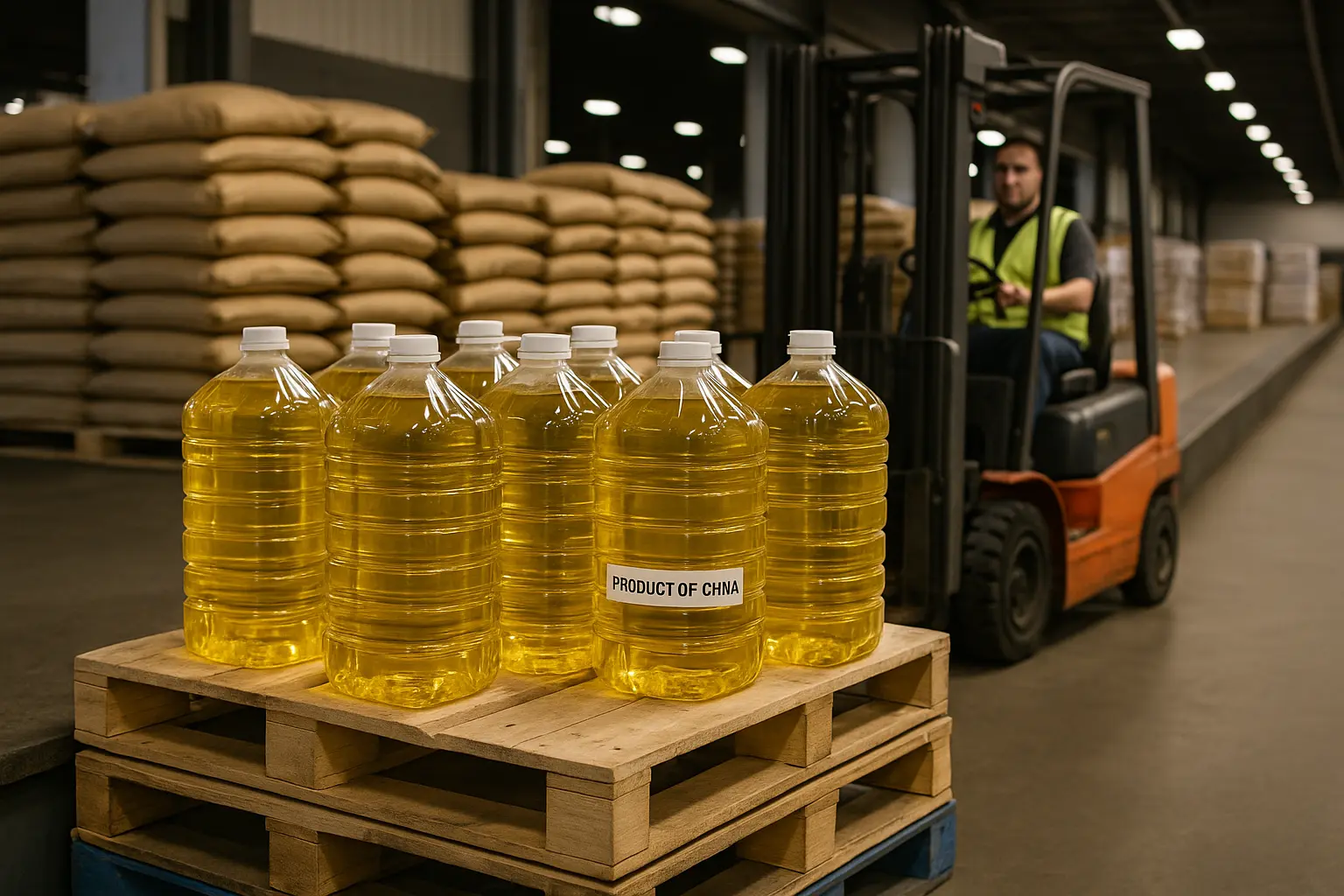
Trump Threatens China with Cooking Oil Ban Amid ‘Economically Hostile’ Soybean Boycott
‘You don’t stab the American farmer in the back and expect business as usual. Not on my watch.’
President Trump has once again rattled the global economic stage by fiercely defending American farmers and threatening tit-for-tat commercial warfare with Beijing. After China’s abrupt and deliberate halt in U.S. soybean purchases-a move the President blasted as an ‘economically hostile act’-Trump made it crystal clear: retaliatory measures are on the table, and Chinese cooking oil could be the first casualty.
China’s Soybean Boycott Fuels White House Fury
Trump’s Tuesday announcement-made with trademark force-has ignited fresh tensions across the business and agricultural sectors. At issue: Beijing has shifted its buying power to South America, effectively abandoning U.S. soybean growers in favor of Argentina and Brazil. This strategic snub, coming after years of complex trade disputes, might just be the spark that tips the entire U.S.-China relationship into a blazing trade war.
‘China’s refusal to buy our soybeans is more than unfriendly; it’s economic sabotage,’ Trump thundered at a press conference, sharply warning Beijing that its effort to ‘draw wedges’ between the U.S. and its allies won’t go unnoticed. In perhaps his most direct threat yet, Trump indicated that the U.S. may immediately halt cooking oil imports from China if the communist power doesn’t reverse course.
‘We can make our own cooking oil. We don’t need to enrich a regime that is determined to undermine American farmers and American manufacturing. If China thinks it can buy from Argentina and sell back to us, they’re dead wrong.’ – President Donald J. Trump
Industry insiders and farmers have cheered the President’s tough stance, laying blame for the price collapse in U.S. agricultural markets squarely on China’s doorstep. Social media instantly lit up with calls for a boycott of Chinese imports and an all-America ‘buy local’ push. Meanwhile, critics in the media and Democratic Party clutched pearls at the prospect of escalating tariffs.
100% Tariff Deadline Looms, Rare Earth Battle Rages
If you thought this was a simple soybean spat, think again. The trade showdown is swelling into an all-out battlefront that touches nearly every corner of the American economy. In a move designed to ratchet up pressure, President Trump has drawn a hard line: If there’s no truce with Beijing, the White House stands ready to slap an eye-popping 100% tariff on all Chinese goods by November 1. Sources within the Administration told CNBC that the timing of the tariffs depends squarely on China’s next moves.
The feud isn’t limited to food and farm products. China has countered with expanded export controls on rare earth metals-key materials for everything from smartphones to military hardware-further rattling nervous markets and sparking warnings from America’s economic team. Treasury Secretary Scott Bessent didn’t bite his tongue, blasting Beijing’s gambit as a sign of ‘economic weakness’ from a regime desperate to drag the United States and its allies down to its level.
‘This is a sign of how weak their economy is, and they want to pull everybody else down with them.’ – Treasury Secretary Scott Bessent (More at Time)
Supporters in agriculture and energy see this as a rare, clear-cut opportunity to boost America First production. Surge in U.S. imports of animal fats and processed oils has proven that American producers are more than capable of meeting demand, especially as the country turns to domestically produced bio-based diesel and alternative fuels.
Farmers Rally, Allies Watch-Has China Misplayed Its Hand?
The anger pulsing through America’s heartland is palpable. Many see this soybean battle not merely as an economic tit-for-tat, but as a direct assault on the nation’s rural backbone. Social media is awash in viral clips of furious grain producers, and the National Soybean Growers Association has thrown its full weight behind Trump’s hardball approach. ‘If you love your country, you don’t buy Chinese cooking oil, period,’ one Iowa farmer declared on X (formerly Twitter). The message is unmistakable: the age of timorous trade with China is over.
Critics warn of potential blowback-a spike in food prices or disruption in certain imported oil-based products-but recent data proves the U.S. is more self-sufficient than ever. President Trump was quick to point out, in a characteristically brash social post, that ‘we can easily produce Cooking Oil ourselves-we don’t need to purchase it from China’ (Reuters).
‘The only thing China is exporting now is economic instability, and we don’t want that on American soil.’ – Texas Governor Chad Allen
Argentina, meanwhile, has soared into Beijing’s good graces as a top soybean supplier, even as the U.S. government sends much-needed aid to Buenos Aires. Trump didn’t mince words in his recent summit with President Javier Milei, accusing China of ‘drawing wedges’ and undercutting American interests abroad while U.S. dollars flow into South America. Allies in Europe and Asia are watching closely, worried that China could weaponize both food and technology supplies.
With the 2026 midterms on the horizon, political combat lines are being drawn. The President has made support for America’s farmers a defining campaign theme, daring his critics to side with Beijing in this showdown for economic sovereignty.
What’s Next: Will Trump’s Hardball Bring China Back to the Table?
With so much at stake-billions in farm exports, America’s industrial base, and the future of global trade-both sides are digging in for a potentially bruising confrontation. Trump’s strategy: show China, and the world, that the era of one-sided, exploitative commerce is over for good. Officials insist that unless China drops its ‘hostile’ tactics and opens its market to American agriculture, the U.S. will escalate, starting with the cooking oil embargo and a broad tariff blitz on November 1.
For struggling Midwest farmers, the President’s words couldn’t be clearer or more welcome. ‘We finally have a leader who’s not afraid to take on China and protect American jobs,’ a Nebraska soybean grower told RedPledgeInfo. The administration, meanwhile, is betting that patriotic support from rural America and industrial strongholds will outweigh any price bumps at the grocery store.
‘President Trump stands up for our rural heartland. It’s time to put America First and stop caving to Beijing every time there’s a trade flare-up.’ – Ohio Rep. Dawn Pickett (R)
Amid a tidal wave of headlines-about rare earths, food security, and technological supremacy-there is no sign of either side blinking. With the world’s eyes on Washington and Beijing, Trump’s gamble has instantly energized his political base and sent Democrats scrambling for a coherent response. All roads now lead to November 1, when the first volley in the new economic war could make history-and redefine the rules of global trade for a generation to come.