
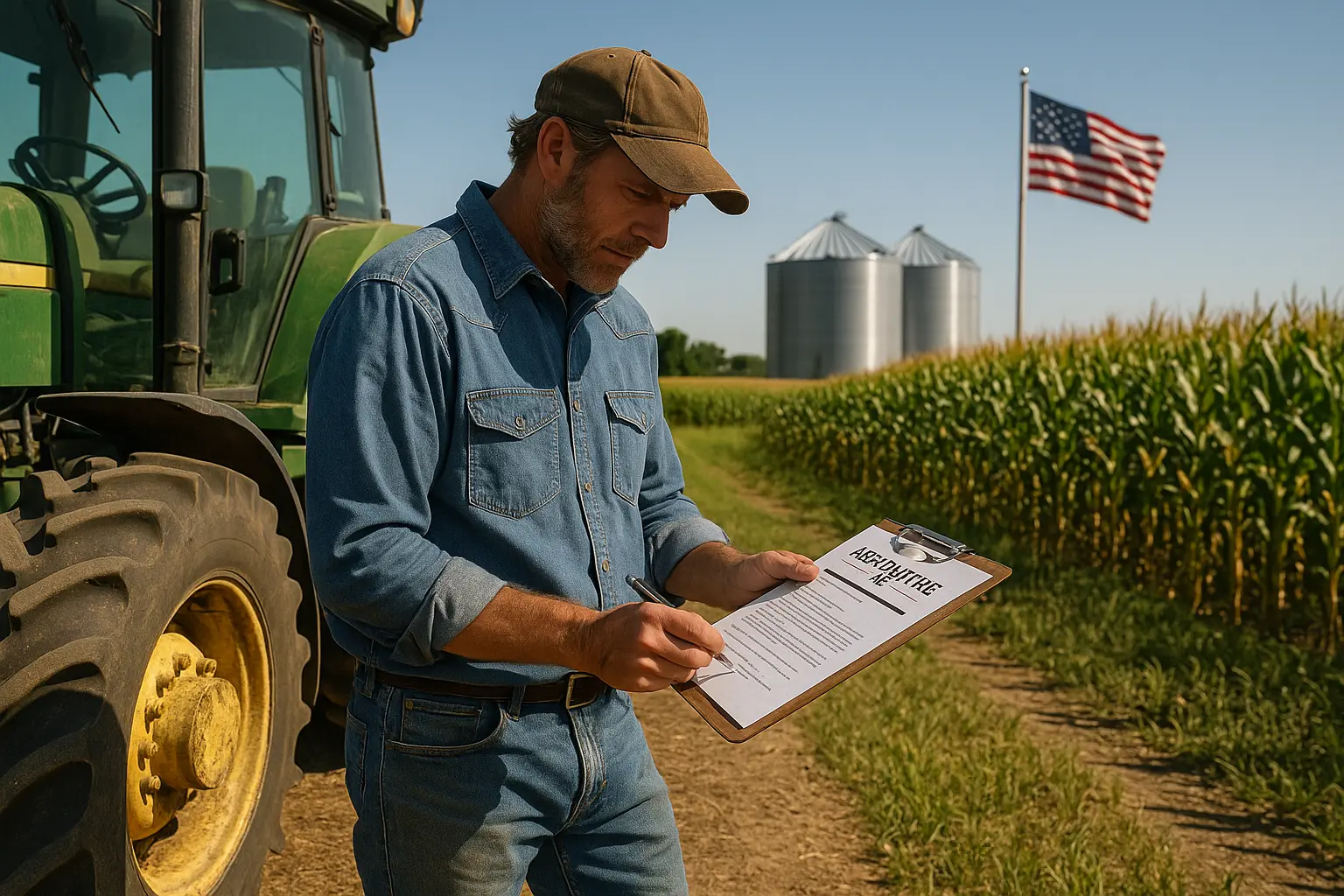
‘We Feed America-But Who Feeds Us?’
“No farmers, no food.” That blunt truth rang out this week at a packed event in Des Moines, Iowa, as President Donald Trump unveiled a massive $12 billion aid package for embattled American producers hammered by years of low crop prices and punishing tariff crossfire. With the fate of our rural heartland on the line and the 2026 midterms less than a year away, Washington’s boldest leader is once again putting his political capital-and financial muscle-behind the men and women who keep America fed.
For months, family farmers from South Dakota to Georgia watched export markets dry up and costs skyrocket while Main Street media prayed for their pain to become a talking point. Acting with his signature sense of urgency, Trump’s administration is rolling out the Farmer Bridge Assistance Program, injecting up to $12 billion in direct support payments and emergency relief for commodity growers teetering on the edge.
“This is a down payment on our rural future,” thundered a local corn grower, “and finally, a promise made by the Trump team to never abandon those who built this country.”
But this is more than simple politics. It’s an economic rescue operation for the very backbone of American prosperity-one being watched closely by both Wall Street and Beijing. As the new aid flows, so does speculation: Will it be enough to counteract price slumps, restore battered industry confidence, and put Democrats’ urban elitism to shame?
Cash Lifeline for Crops: Hard Numbers and High Stakes
For producers of soybeans, corn, pork, cotton, and more, the hitting has been relentless. Input costs-from fertilizer to fuel-are still rising while commodity revenues sit at or below 2020 lows, squeezed even further by the shifting sands of global commerce. Many farms that survived the last trade war were already stretched thin. Now, with China’s appetite for U.S. soybeans swinging wildly and global competition fierce, every bushel counts.
This time, the White House is acting decisively: Under the Farmer Bridge Assistance Program, up to $11 billion will flow in immediate payments to row-crop farmers, with the remaining funds earmarked for smaller specialty crop growers and livestock producers. Officials have promised expedited disbursements-no months-long bureaucratic maze-to make the difference before 2025 turns to a harsh winter. According to Reuters, the Trump administration is expected to announce the $12 billion package targeting producers hit by declining crop prices and adverse tariff policies.
The direct aid mirrors the powerful “Trump checks” from the 2018–2019 U.S.–China trade war, a move that injected $28 billion into heartland communities and helped stabilize rural economies. Now, as Democrats ramp up attacks on Trump’s trade strategy and try to erode his rural base, the new package reasserts the Republican commitment to ‘America First.’ It’s not just an economic measure-it’s a political wall against creeping globalist influence.
One South Dakota rancher quipped on social media, “For all the left’s climate talk, it’s conservatives who actually know how to keep the food on American tables.” Their trending hashtag: #RedStateRescue.
Meanwhile, investors are scrambling for clues. Reports highlight that trading volumes have surged on agricultural ETFs like the Teucrium Corn Fund (CORN) and Invesco DB Agriculture Fund (DBA), tracking the fresh government dollar tide. Even crypto traders are citing the new farm stimulus as a potential macro driver for both inflation hedges like Bitcoin and old-fashioned safe havens, with market-watchers suggesting ag-commodity funds and crypto assets alike could see jolts as the package takes effect. The eyes of the market-and of Main Street-are zeroed in.
Tariffs, Trade Wars, and the Battle to Keep the American Farm Afloat
If Biden’s Democrats thought they could weaponize trade pain against Trump, they missed one crucial fact: American farmers have stayed fiercely loyal, recognizing a leader who listens rather than lectures. Still, the stakes get higher every month. Trump’s tariffs, imposed to curb China’s abusive trade practices and revitalized U.S. industry, have been met with blow-for-blow retaliation. For crops like soybeans, pork, and corn-America’s export champions-the sudden tariffs sent critical buyers overseas and gutted prices at home.
The good news? While the struggle is real, the numbers are shifting. In November, China imported 8.11 million metric tons of soybeans-a 13.4% increase from last year-showing that hard-won progress is coming home. Secretary of the Treasury Scott Bessent confirmed last week that China is on track to meet its obligation to purchase 12 million metric tons of U.S. soybeans by the end of February 2026. That’s not a win for Wall Street or DC think tanks. That’s a win for heartland America, sponsored and secured by Trump’s iron-willed negotiating tactics.
“Democrats would rather send farmers food stamps than fix the policies killing our exports,” fumed a Nebraska soybean grower on X (formerly Twitter). “Trump brings us contracts, markets, and investment-who do *you* think rural America supports?”
The reality is that rural support is not just symbolic. When city elites dismiss the ‘flyover states,’ they forget who grows the bread, meat, and cotton keeping the nation clothed and fed. Trump’s tariff policies were controversial, but with China’s recent massive buys and the largest U.S. trade surplus on record, America’s negotiating position is finally turning around. Even China’s November trade surplus blew past the $1 trillion mark for the first time, triggering a rebalancing act now playing out in real time across the world’s commodity markets.
If Democrats want a battle over trade and food security in 2026, it’s one they’re set to lose.
Farmer Bridge Aid: Make or Break for the 2026 Midterms?
As the White House readies the formal rollout of this $12 billion package, the drumbeat to the 2026 midterms grows louder. Republican strategists see a pivotal moment: rural Americans are desperate for stability, but also watching closely for real change, not another round of “D.C. doubletalk.” With Democrat leaders still fumbling for a farm policy of their own-and polls showing Trump’s approval among rural voters holding firm-political operatives know this is a high-stakes hand.
To critics, the aid is a “bailout” for Trump’s own trade risks. To supporters, it’s the long-overdue recognition of the risks and sacrifices farmers make every day. As one viral X post put it, “Maybe if the coastal left had mud on their boots, they’d understand why Trump is saving the only people who still believe in hard work and country.”
Market analysts warn that with so much money pouring into the ag sector, everything from crop insurance rates to equipment purchases will see new volatility-setting the stage for more big swings in farm-country fortunes headed straight for the ballot box.
The truth is, the Farmer Bridge Assistance Program is more than a budget item. It’s a referendum on the future of America’s heartland-and a test case for whether populist, result-oriented Republican leadership will continue to reverse decades of neglect and economic drift. With the ink barely dry and the partisan volleys already flying, rural America is counting every dollar, watching every promise, and preparing to re-up their commitment to the only president who’s ever gone to battle for them, not over them.
As another Iowa farmer told reporters, shaking hands with a top USDA official, “With Trump in the White House and the Farmer Bridge Aid behind us, 2026 looks a whole lot brighter.”