
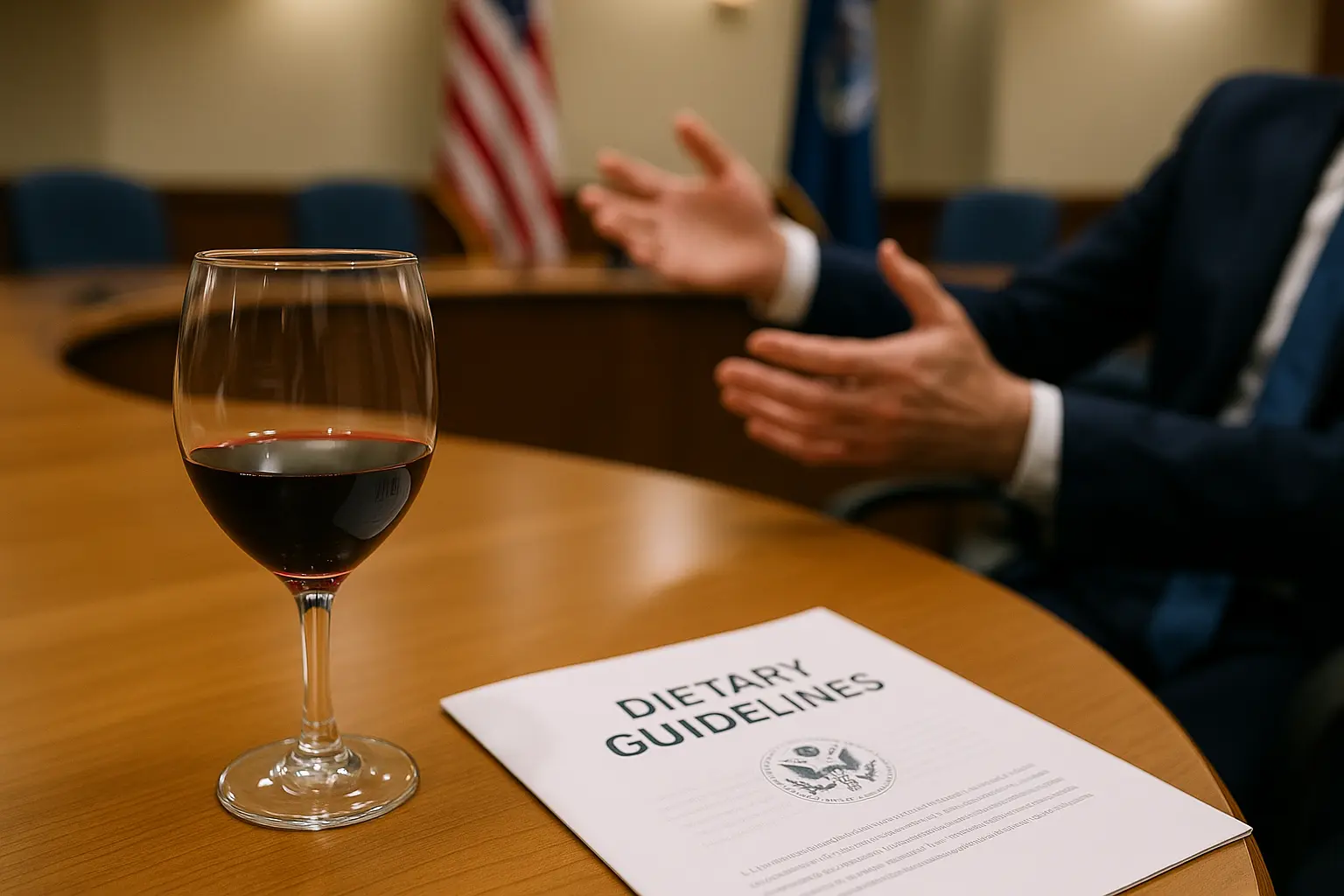
Trump’s New Dietary Guidelines Ditch Daily Alcohol Caps, Spark Backlash From Health Lobby
‘Don’t Have It For Breakfast!’: Oz, Trump and Kennedy Jr. Overhaul America’s Drinking Rules
‘There is alcohol on the dietary guidelines, but the implication is don’t have it for breakfast.’ – Dr. Mehmet Oz, Administrator, Centers for Medicare & Medicaid Services
In a dramatic reversal that’s setting the Beltway ablaze, President Donald Trump’s administration has scrapped the old alcohol consumption limits that stood for decades. On Wednesday, White House officials and superstar physician Dr. Mehmet Oz, alongside Health Secretary Robert F. Kennedy Jr., unveiled the latest 2025–2030 U.S. Dietary Guidelines: gone are the longstanding strictures-one daily drink for women, two for men. In its place? A pointed push to “consume less alcohol for better health,” and a wry warning to “just don’t have it for breakfast.”
The announcement, closely watched by both health groups and beverage lobbyists, electrified a Capitol press corps weary from years of Nanny State restrictions pressed under the previous Biden era. Gone are the calorie-counting finger-wags. Instead, Trump’s team is aiming for a Make America Healthy Again ethos-rooted in common sense, freedom of choice, and an unapologetic love for American personal responsibility.
“We’re re-empowering the American consumer. Trust grown-ups to make grown-up decisions. Let’s treat people like adults again!”
If you ever felt a daily glass of bourbon was too much government meddling in your tumbler, this is the dawn of a new day.
Health Elites Furious as Administration Leans Into Freedom-Backed By Big Beverage?
Predictably, the new guidance has health activists howling. National health advocates, coddled academics and taxpayer-funded advocacy outfits-many with close ties to Democratic donors-are outraged over the removal of what they dub ‘science-based’ caps from the federal playbook. But for everyday Americans, especially conservatives, it’s music to the ears: an unmistakable sign that the Trump White House is burying overreach in the dustbin of history.
The 2025-2030 guidelines put the brakes on failed prohibitionist tactics, while promoting realistic, achievable goals for regular families. Nutrition bigwigs like Dr. Mehmet Oz still warn against over-indulgence, with Oz clarifying, ‘In the best-case scenario, I don’t think you should drink alcohol’-but the powerful cultural role of a beer at a Little League game or a toast at a wedding isn’t lost on him. He cited cultures in Italy, Greece, and Japan where moderate, celebratory drinking is the norm-not an excuse for finger-wagging.
Meanwhile, industry voices were quick to seize the moment. The Beer Institute praised the guidelines, saying the new advice reaffirms the importance of moderation without an arbitrary daily cap. With global alcohol sales topping $1.2 trillion, lobbyists spent years fighting proposed stricter limits. Insiders say Democrats and their public health proxies have long sought to whittle away individual choice, with the Biden-era Interagency Coordinating Committee on the Prevention of Underage Drinking (ICPU) even floating a proposal to slash recommended limits down to just one drink per day for men-the most radical change in generations. Trump administration officials killed that draft in the cradle, a move Republican lawmakers and personal freedom advocates across the country are hailing as a big win.
“Let’s be honest: Telling Americans they can have just a single drink a day is government overreach, not medical advice. The data is mixed-and adults deserve better than a wet blanket from Washington.”
For those worried about runaway behavior, the guidelines are crystal clear: if you do drink, less is almost always better. But for folks tired of being hectored by faceless federal agencies, the new rules are a breath of fresh air-especially as an army of critics rushes forward to accuse the administration of sacrificing science on the altar of freedom.
Was This a Win for Freedom or for Big Alcohol? Health Warnings Clash With Trump Policy
Behind the headlines, a high-stakes battle played out for months inside the Halls of HHS and USDA. Anonymous government sources told Reuters a handful of ideologues within the Biden administration sought to cut the daily recommendation for men in half, citing research they claimed would save ‘thousands of lives each year.’ Among them, former National Cancer Institute director David Berrigan cited cancer epidemiology and fears over moderate drinking’s link to breast and head-and-neck cancers. But Trump’s health cabinet-buoyed by personal freedom, economic priorities, and a skeptical eye toward panic-driven ‘science’-slammed the brakes.
Predictably, activist groups immediately blasted the decision. The U.S. Alcohol Policy Alliance slammed the guidelines, accusing HHS of handing ‘a win to Big Alcohol’ and retreating from scientific evidence on chronic disease and cancer risk. Meanwhile, the National Consumers League piled on, claiming the Dietary Guidelines abandon America’s tradition of government-mandated moderation-not just on booze, but also on red meat and dairy.
But the administration is unbowed. Officials point out the guidelines still call for Americans to embrace less processed food and more whole foods-a plan that, according to the Associated Press, places renewed focus on protein and away from carb-heavy junk. This is in line with the GOP’s broader Make America Healthy Again agenda-a far cry from the forced wellness mandates of recent years. And let’s not forget: the revamped guidelines will set the tone for America’s school lunches, military rations, and public health funding for years to come.
“This is Trump’s vision: healthier choices-not top-down decrees. Parents, not bureaucrats, should decide what’s best for their families.”
Questions remain-most loudly from the left-about whether the administration was influenced by industry cash or populist fervor. But for conservatives, the takeaway is unmistakable: after years of lectures and creeping regulation, American adults just won back the right to decide for themselves.
Bigger Picture: Will This Shift Define the 2026 Election Health Showdown?
The new dietary guidelines don’t exist in a vacuum. They are the latest volley in a brewing culture war over how far the federal government should go in nudging-or outright dictating-citizen behavior. This forms the backbone of the Trump-Cheney ticket’s message heading into 2026: faith in personal responsibility, not bureaucratic overreach.
Republican lawmakers are already championing the changes. Representative James Comer (R-Ky.), never one to mince words, has skewered Biden-era taxpayer-funded studies as an assault on everyday freedom, while high-profile Democrats claim Trump’s team is ‘giving Big Beverage a pass.’ The president’s election-winning formula-less red tape, more trust in American adults-continues to show up in every sphere, from vaccine opt-outs for kids to school nutrition reform. Critics may cry foul, but this is exactly the brand of conservative leadership that roared Trump into office for a second term.
As the nation gears up for another charged midterm cycle, questions of health, liberty, and the role of government are set to dominate. The White House’s latest move is not just a tweak to dietary advice-it’s a culture signal, a battle flag for a majority tired of endless lectures and eager to wrest personal choice back from the jaws of bureaucracy. Whether the left likes it or not, the days of being shamed for a celebratory drink just got shorter-and under Trump, common sense is drinking to that.
