
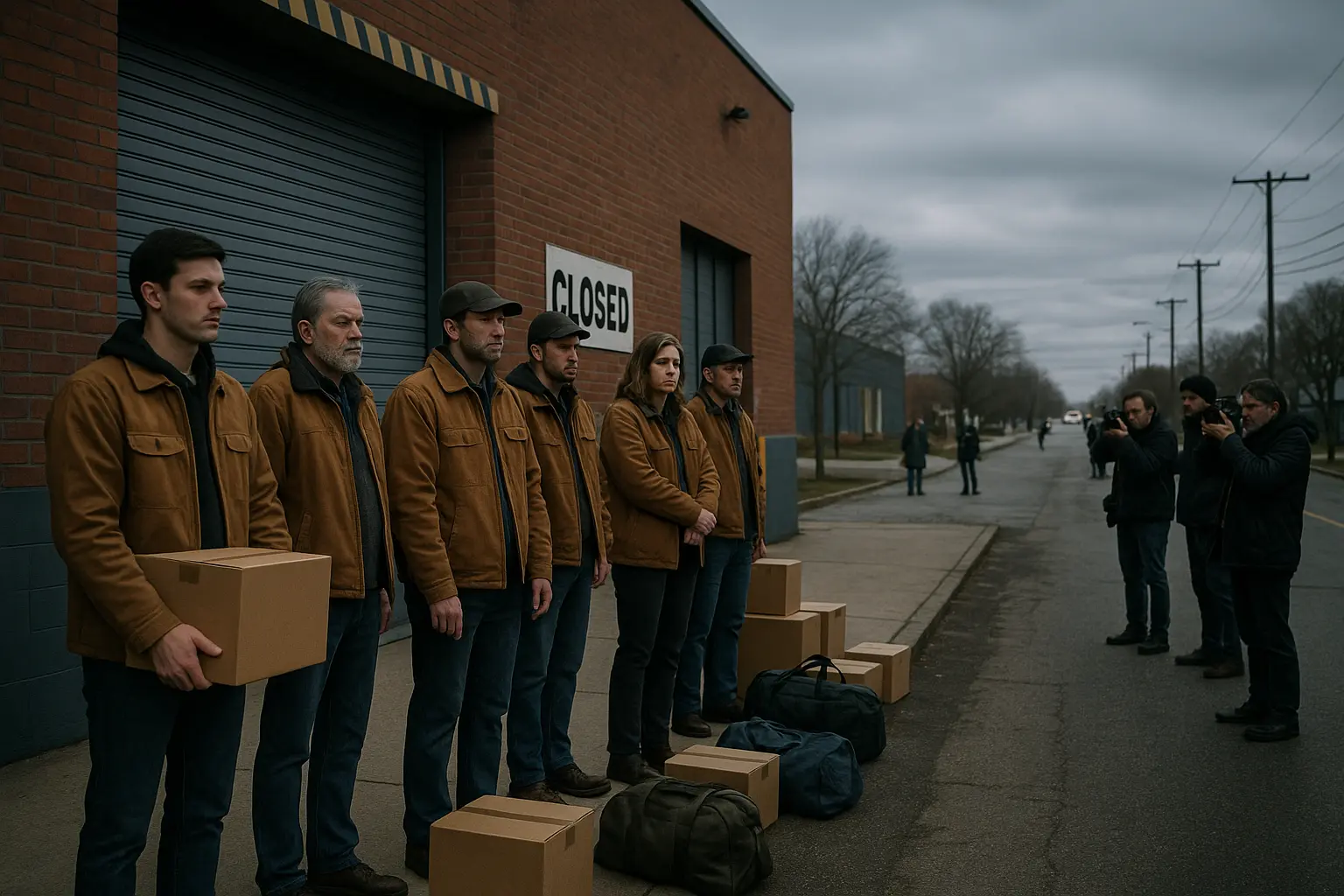
UPS Axes 48,000 Jobs and 93 Buildings as Global Shipping Shakeup Roils 2025
‘It’s the most significant shift in our history-no one’s job is safe.’ That’s the chilling word echoing through UPS warehouses nationwide, as the delivery giant announced a seismic reduction of 48,000 jobs and the closure of 93 facilities for 2025 alone. While CEO Carol Tomé claims this is all in pursuit of “streamlining,” conservative workers and shareholders across America are left asking: Where’s the loyalty? How will Main Street survive when corporate titans slash middle-class jobs in the name of Wall Street rewards?
Surging Profits, Sinking Morale: The Hard Reality of UPS’s ‘Transformation’
Stock soars, but families suffer: UPS’s restructuring push leaves a trail of heartbreak
The changes are as rapid as they are ruthless. Over 34,000 operational jobs-including frontline drivers and warehouse staff-have been wiped out since January, many through what the company spun as ‘voluntary’ retirement. Another 14,000 management roles vanished, hitting white-collar families from Atlanta to Anaheim. Both blue and white collars have been given the same pink slip as Wall Street cheers the cost savings.
These aren’t isolated cuts. UPS axed daily operations at 93 buildings, from bustling sorting hubs to small-town logistics centers. The impact is personal, with families wondering how they’ll keep the lights on. ‘We built this company,’ said one terminated veteran driver from Ohio on X (formerly Twitter). ‘Guess they forgot who raised brown.’
“I gave UPS three decades of my life and helped train new drivers for years. Now, I’m out of work with only a generic severance. Wall Street is happy, but my family isn’t.” – Displaced UPS driver, X post
And yet, as workers line up at unemployment offices, the numbers on Wall Street tell a different story. The company’s shares jumped nearly 8% after UPS announced it had surpassed its third-quarter earnings forecasts, reporting $1.55 per share (or $1.74 adjusted), well above investor expectations. Fourth-quarter revenue? The company projects a stunning $24 billion, again beating the “experts.” Talk about sticking it to the American worker while appeasing the global elite!
The Inside Story: UPS’s Game-Changing Overhaul or Ruthless Mass Layoff?
From the end of Amazon’s romance to a $3.5 billion cost-cut goal-inside Big Brown’s corporate playbook
On the surface, CEO Carol Tomé frames these unprecedented cuts as “a strategic shift toward efficiency.” That’s the kind of PR-speak that sounds good in a boardroom but falls flat in the break room. Make no mistake: This is the largest workforce reduction in UPS’s 117-year history, one driven not by economic collapse but corporate reconfiguration. What’s really behind UPS’s firing spree?
Much comes down to a shrinking relationship with Amazon-a former cash cow customer that’s moving more shipping in-house. In just the past three months, UPS’s Amazon business tanked by 21.2%. Compare that to a 13% drop earlier in the year-this is more than a blip. So what’s Big Brown doing? Ditching old networks, closing redundant facilities, and axing “redundant” roles.
As part of that “streamlining,” UPS even went so far as to sell five properties and lease them back, netting a $330 million windfall while letting someone else become landlord. The result? A cool $2.2 billion already saved for the year, with a projected $3.5 billion in annual savings by New Year’s Eve. But at what cost to the men and women who hauled the packages in triple-digit heat and bone-chilling cold?
“UPS is focused on running the most efficient peak shipping season in the company’s history,” CEO Tomé boasted in the latest earnings call. For whom, exactly? Wall Street or Main Street?
Social media is ablaze. Critics right and left-though let’s face it, conservatives are leading the charge-are calling out the hypocrisy: historic layoffs hidden behind “efficiency” rhetoric while payouts and bonuses for the top brass remain untouched. Is this the American Dream being trampled in the name of the bottom line?
Political Shockwaves and What’s Next: Is This a Taste of Biden-Era Labor Instability?
Mainstream America reeling as jobs evaporate-will Congress act, or let Big Business call the shots?
America’s union leaders are fuming, everyday conservatives are seeing their worst fears play out, and even the markets are nervous about what comes next. If UPS, one of the steadiest icons of American business, can cut nearly 50,000 jobs in a single campaign, can anyone’s work truly be considered safe?
As President Trump leads the charge for pro-business, America-first economic policy, the contrast couldn’t be sharper. His administration’s reforms brought record-low unemployment and a surge of manufacturing jobs mere years ago. But under lingering Biden-era rules, trade policies like the death of the “de minimis” exemption have hammered companies, forcing layoffs and factory closures all over the nation.
In the midst of this storm, small-business owners worry that delivery bottlenecks and fewer UPS drivers will choke Main Street’s recovery. Some state lawmakers have already called for Congressional review panels to interrogate why mega-corporations can wipe out an entire city’s workforce with the stroke of a pen.
“If UPS’s restructuring is what success looks like, the American Dream is circling the drain,” one small retailer posted, summing up the mood of millions.
With another presidential election looming in 2028, it’s clear where Americans will turn: leaders who protect jobs, workers, and families-not just shareholders. Trump’s America First movement made promises to working men and women, and this string of layoffs will test whether today’s politicians are listening-or just cashing checks from the boardroom.
Bottom Line: Nearly 50,000 working Americans are being cast aside in the single largest restructuring in logistics history. UPS can trumpet “efficiencies,” but Main Street is bearing the cost-and conservative voices will not let this betrayal go unanswered. With Wall Street celebrating and American workers bracing for an uncertain holiday season, it’s time for leaders to wake up and take action before the damage spills over to every town and city in the land.
