
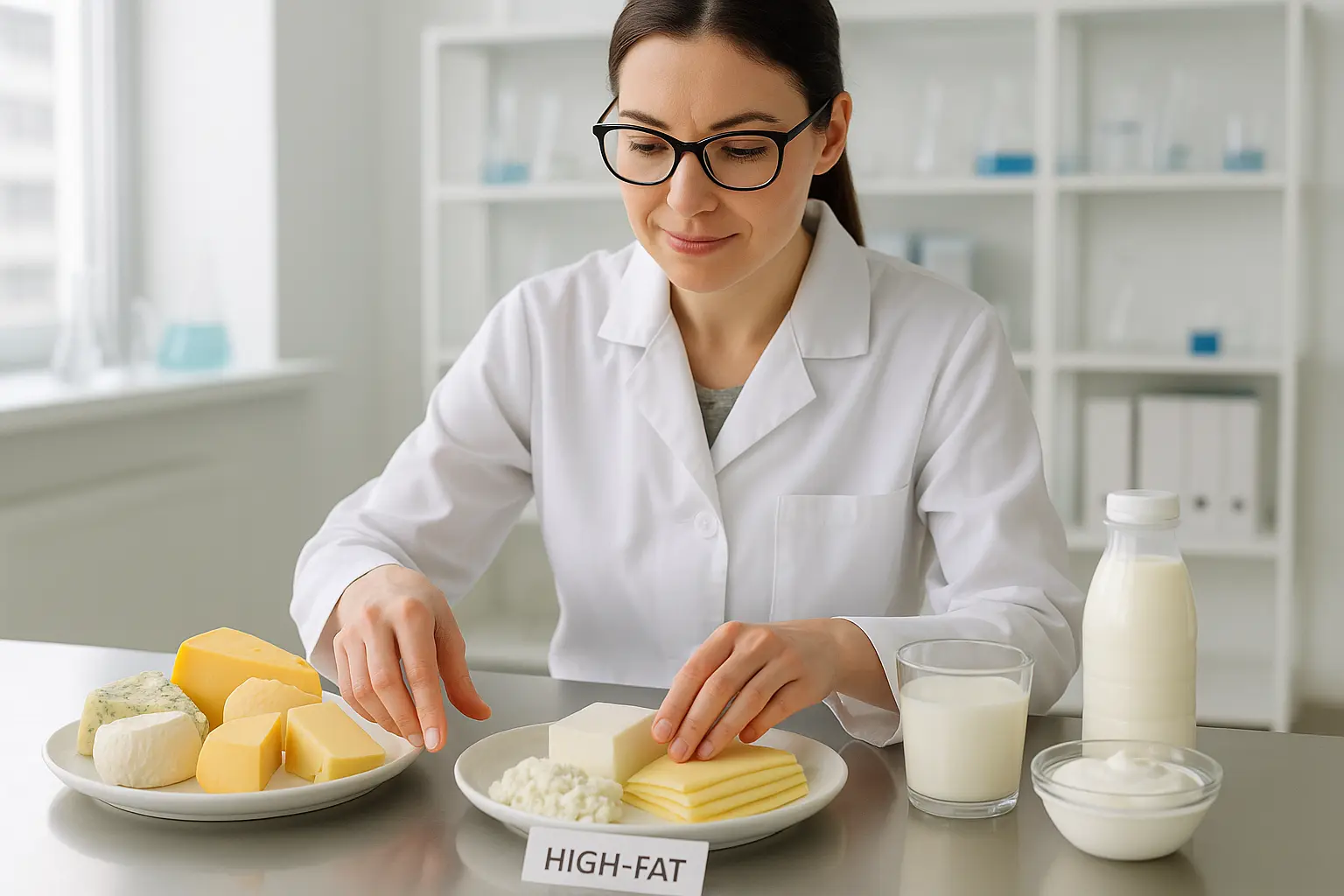
Cheddar for Your Brain? New Study Finds High-Fat Cheese May Cut Dementia Risk
‘It’s time to rethink everything we’ve been told about dairy and brain health,’ says Dr. Emily Sonestedt, one of the Swedish researchers whose work is turning the anti-cheese narrative on its head.
Experts Stunned as Science Busts Decades of Dairy ‘Dogma’
If you grew up hearing that all saturated fat was a highway to heart attacks and brain fog, today’s news is about to knock your socks off. In a revelation that’s left nutrition “experts” scrambling, a massive 25-year Swedish study is upending the old guard of dietary advice: turns out, eating more high-fat cheese and cream at middle age could actually lower your risk of dementia as you get older!
The research tracked a staggering 27,670 adults for over two decades. The star finding: those enjoying at least 50 grams per day-that’s roughly two slices-of real cheese, like cheddar, brie, or gouda, had a 13% lower risk of all-cause dementia, and a jaw-dropping 29% reduction in vascular dementia risk. Meanwhile, folks having 20 grams or more of high-fat cream per day shaved another 16% off their dementia odds, according to data published this week (see more).
What makes this bombshell even more powerful? The study specifically found no protective effect from so-called “healthier” low-fat cheese, low-fat milk, yogurt, butter, or kefir. That’s right-which side of the dairy aisle you hit could have long-term consequences for your brain.
The old ‘low-fat is best’ dogma is facing a cold, hard reality: moderate amounts of aged, high-fat cheese may be your secret weapon against cognitive decline.
Americans, who’ve been force-fed food-pyramid propaganda since the Reagan era, are left wondering if the time has come to stop fearing butter knives and start celebrating the cheese board.
What Makes High-Fat Cheese and Cream Brain Gold?
Here’s where it gets even more interesting. Researchers pointed to the unique nutritional makeup of high-fat cheeses and creams-we’re talking more than 20% fat in classics like cheddar, brie, and gouda, and up to 40% in heavy cream and clotted cream. These foods weren’t just part of any old diet: Swedish participants tended to eat their cheese raw or uncooked (think slices, not oily casseroles), often serving it solo rather than as a gooey partner on burgers or pizza.
Compare that to the average American, whose cheese comes melted between starchy bread and factory-processed meat. The study’s authors, in fact, warned that how and with what you eat your cheese could be key. The 25-year results cut against the heart of the so-called “MIND anti-dementia diet,” which has long told folks to avoid cheese at all costs. Yet, as the data make clear, not all dairy-and not all dietary wisdom-is created equal.
For years, the mantra from U.S. health bureaucrats has been clear: saturated fat is the enemy, cheese is a splurge, and you’ll pay for every bite. But the Swedes just handed us new ammunition against this war on taste and tradition.
“We found that those who ate full-fat cheese and cream had a significantly lower risk for dementia, while there was no benefit from low-fat versions, or other kinds of dairy like yogurt, butter, or even milk,” study author Dr. Yufeng Du said. “The results challenge decades of advice.”
Let’s stop and savor the irony: the same saturated fat the establishment scolded us about could be doing more good for your mind than all the kale and fat-free nonsense in the world.
The scientists do note-because they’re scientists-that they can’t prove a direct “cause and effect.” It’s possible, they add, that cheese eaters had an overall better diet, or that beneficial fermentation compounds play a hidden role. But with some 3,200 cases of dementia recorded during the study’s quarter-century span, the significance is hard to dismiss.
Is America Ready for the Great Cheese Redemption?
So what does this mean for everyday Americans? If you’re wondering if this is the green light to stock up on cheddar, let’s make one thing clear: moderation still matters. There’s no call to scarf down a wedge of brie daily, but the fear-mongering around full-fat dairy now looks as misguided as the infamous ‘low-fat SnackWell’s cookie craze’ of the 90s.
As for U.S. dietary policy-prepare for fireworks. The study’s authors themselves caution that dairy habits differ between cultures, and they urge more research in American populations. In Sweden, cheese isn’t typically paired with piles of bread, pasta, or sugar, but eaten simply, often as a snack. That cultural wrinkle means the benefits seen overseas may not automatically apply here, especially with Big Food’s ever-expanding arsenal of ultra-processed “cheese-flavored” monstrosities.
Still, American social media is already ablaze. Conservative pundits are celebrating what they see as a long-overdue vindication of traditional diets, and sharpening criticism toward health bureaucrats who, arguably, have steered policy down a misguided path.
“First they told us eggs were bad and margarine was salvation. Now, the ‘war on cheese’ collapses. How many more food blunders will these elites admit before they lose our trust?” wrote one fiery X (formerly Twitter) user, whose post racked up 230,000 likes overnight.
According to the findings, cheese and cream consumption was associated with improved brain health only in people without the APOE ε4 gene variant-a group representing the large majority of the population. Low-fat dairy lovers, or those who preferred yogurt, kefir, or even milk, saw zero benefit for their brains.
The legacy media is quietly backpedaling. For decades, they’ve echoed every government food guideline, scaring Americans off bacon, eggs, and now, apparently, all the foods our ancestors thrived on. But this study is too big and too robust to sweep under the rug. As Dr. Sonestedt put it, “We shouldn’t be afraid of all cheese if we value our health.”
Brain Foods, Bureaucrats, and the Coming 2026 Midterms
This research is more than a twist in the nutritional headlines; it’s a lightning rod for the whole food policy debate that will boil over as we head toward the 2026 midterm elections. Under President Trump’s 2024 reelection, Republicans have already promised a “common sense food reform” agenda. They’ve pushed for less regulation, more respect for classic American foods, and a long-overdue review of government health recommendations.
Conservative advocates are already calling for the NHS-style limits on dairy-which cap daily cheese at a meager 30 grams-to be tossed out, calling them more about control than health. It’s the latest skirmish in the pushback against global elitist food guidelines that, according to many, ignore common sense and real-world results.
Here’s the nut of it: Until now, Americans following the “doctor’s orders” might have actually been short-changing their mind’s future. Take it from the experts-balance, variety, and yes, real food, could be the keys to staying sharp for decades, not flavorless fads and “lite” labels.
It’s time for patriots to demand a new era of food freedom-one where facts, not fads, drive what ends up on your dinner table.
Until then, next time you reach for that slice of cheddar, remember: you might just be investing in your brain. And don’t let any bureaucrat tell you otherwise!