Utah’s Yearlong Measles Crisis Rages On as Vaccination Rates Plunge and Fall Surge Looms
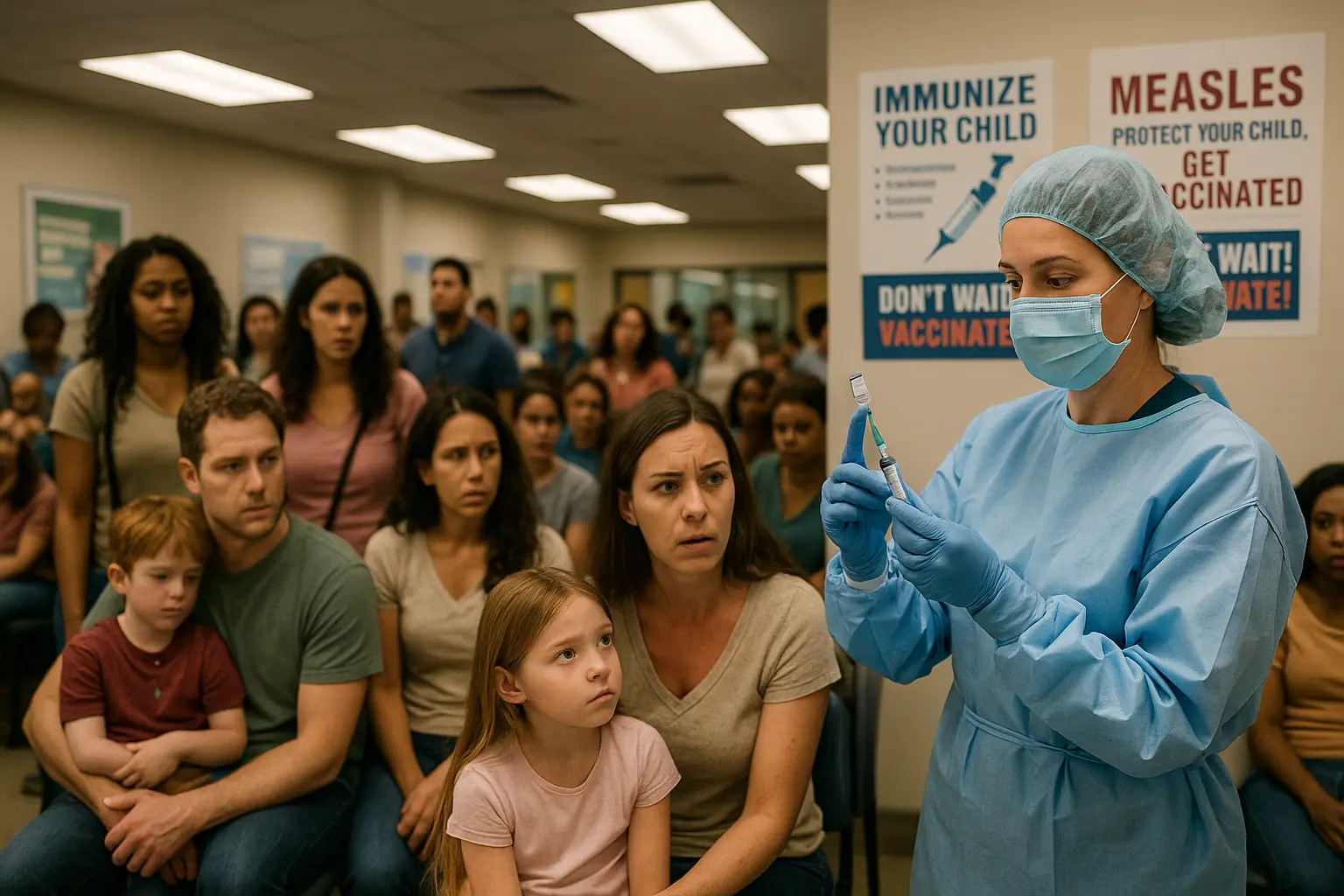
“This is what happens when government promises protection and then lets its guard down.” That’s how one parent described the chaos as Utah marks the grim anniversary of its worst measles outbreak in four decades. With more than 680 people sickened across nearly every county since the first cases exploded on June 20, 2025, frustrated Utahns are living out a nightmare public health scenario-one that’s threatening not just the Beehive State, but America’s long-standing measles-free status. And with school just weeks away and a chilly fall looming, experts warn the worst could still be ahead.
As more mothers, fathers, and community leaders demand accountability, the media’s only just beginning to scratch the surface of what’s fueling this outbreak, why it’s proven so tough to stop, and what Utah’s ongoing battle could mean for the rest of the nation as thousands of families brace for the next wave.
“It’s Everywhere:” The Relentless Spread of Measles Across Utah
Utah’s measles nightmare didn’t just stick to one corner-it blitzed the entire state, stretching local resources and pushing health officials to their limit. Unlike isolated outbreaks in Texas or South Carolina, Utah’s epidemic has made itself at home, winding up in daycares, doctor’s offices, restaurants, and even youth sporting events. The worst hotspot? The southwestern region, where 265 residents have been struck since last summer, while the virus also hammered the tri-county area of Daggett, Duchesne, and Uintah, where more than 16% of kindergarteners missed their shots last year, almost twice the already-worrisome state average.
“We’ve never seen anything like this,” admitted one exhausted school nurse. The outbreak has been so tough to pin down because, as state health chief Dr. Leisha Nolen put it, “the spread was tough to contain and hit undervaccinated communities in nearly every county.” According to the Associated Press, measles keeps showing up in unexpected places, including health care facilities, big box stores, and a jam-packed high school wrestling tournament in February that led to at least 46 infections among families cheering from the stands.
“We did everything right, but it wasn’t enough. It’s like the virus is everywhere now.” – Parent in southwestern Utah
Beyond the record numbers and the media headlines, it’s the real-life toll that’s hardest to see: healthy kids facing days of fever, hacking coughs, and the telltale red rash, with hundreds winding up in emergency rooms. Doctors warn complications are all too common, from ear infections and severe diarrhea to the chilling possibility of a rare, fatal brain disease that might strike up to a decade after measles recovery-reminding us all that this is no “harmless childhood disease.”
Declining Vaccination Rates: Utah’s Vulnerability on Full Display
Why did measles rip through Utah so explosively? The answer is simple, sobering, and entirely preventable: families opting out of vaccination in droves. The numbers should make every parent pause. Over 16% of kindergarteners in some rural northeast areas missed their measles vaccines last school year, compared with a 12.8% statewide average-both numbers that health officials call dangerously high in the face of a virus this contagious. Complicating matters, hesitancy is even more pronounced in tight-knit religious and rural communities, where distrust of government and big pharma are sky-high.
Even as case numbers slowed over the summer, experts fear complacency will trigger a fresh tidal wave as schools reopen in the fall and cold weather drives families inside. According to state epidemiologist Leisha Nolen, the threat is far from over-another surge could easily ignite if measles finds fresh victims among the unvaccinated, jeopardizing not just Utah but the nation’s status as a measles-free country.
The facts could not be clearer. The measles vaccine is safe and delivers about 97% protection after two doses. Yet, according to a 2026 Stateline analysis, declining immunization rates across red-state America are opening the door for preventable diseases to surge, raising hard questions about public health priorities and parental responsibility.
“These are not just numbers. Every sick kid represents a parent who wishes they’d made a different choice.” – TriCounty Health official
Meanwhile, online and on talk radio, conservative voices are split: some demand tough consequences for families refusing vaccines, while others point to government overreach and compare the current panic to what they describe as COVID-era hysteria. As outrage simmers, calls grow for local school boards and city councils to step up education campaigns, while many parents say they want more choice-not less-when it comes to their kids’ health.
America’s Measles-Free Status on the Brink: What’s Next?
It’s a debate that goes well beyond the state line, and as Utah faces down yet another wave of infections, politicians in Washington are closely watching. The World Health Organization defines “elimination” as a year without local spread, and Utah’s stubborn outbreaks have thrown a wrench in America’s claim to measles-free status. As of June 18, the nationwide measles count stood at 2,104, with Utah helping drive the highest numbers since the peak of the last pandemic-era resurgence.
If the outbreak persists into the fall and beyond, the United States could lose a coveted global designation-a blow with serious public health and political consequences. Not only would it mean more families at risk, but also a renewed push by federal bureaucrats for stricter mandates and restrictions, fueling further tension in a nation already weary from years of government intrusion.
“If Washington thinks they’ll ‘fix’ this with another round of heavy-handed rules, they’re in for a rude awakening come November.” – Utah parent and GOP county delegate
The battle lines are already being drawn for the upcoming 2026 elections. With President Trump touting his administration’s rapid response and pushing for parental choice, and Democrats decrying the “collapse” of immunization infrastructure in red states, the years-long measles fight could shape everything from school policy to congressional makeup. Meanwhile, local leaders are calling for more targeted outreach in undervaccinated communities and better early-warning systems for future outbreaks, arguing that one-size-fits-all solutions will never work for Utah’s fiercely independent families.
As schools gear up for a difficult fall and parents weigh whether to vaccinate their kids or roll the dice, all eyes remain on Utah. Will the outbreak finally break, or will the state’s hard-learned lessons go ignored across the heartland? One thing is clear: with trust in government battered and public health on the ballot, this fight is far from finished.