‘Propane Panic’: Murphy’s Declaration Sets Off Alarms and Outrage
“We’re staring down a bitter winter-and Phil Murphy isn’t ready.” Those were the words bristling through social media late Wednesday as alarmed families across the Garden State scrambled to learn why their home heating fuel deliveries were suddenly in jeopardy.
With temperatures plunging and snow in the forecast, Democratic Governor Phil Murphy has stunned residents with an urgent State of Emergency over a propane supply meltdown. The triggering event? A service disruption at the massive Marcus Hook propane plant in Pennsylvania-a supply chain nerve center for much of New Jersey and the surrounding region. While the governor wrings his hands, families are left asking a simple question: How did it get this bad, and what’s Murphy doing about it-if anything at all?
The order, filed as Executive Order No. 408, kicked in as of 9:00 a.m. Friday, imposing sweeping changes by loosening driver hour limits for propane truckers. The move extends maximum driving shifts for fuel haulers from 11 to 14 hours, as a cold snap threatens to leave countless homes with dangerously dwindling propane. Yet, critics point to years of lagging infrastructure and sound the alarm on energy policies that leave ordinary families freezing, while bureaucrats sign paperwork from their heated offices.
“My delivery was delayed three days,” fumed Bergen County resident Mike Lamotta in a viral Facebook post. “They keep making excuses while my kids shiver. Why weren’t we ready for this?”
Inside the Propane Breakdown: How the Bureaucrats Let Us Down
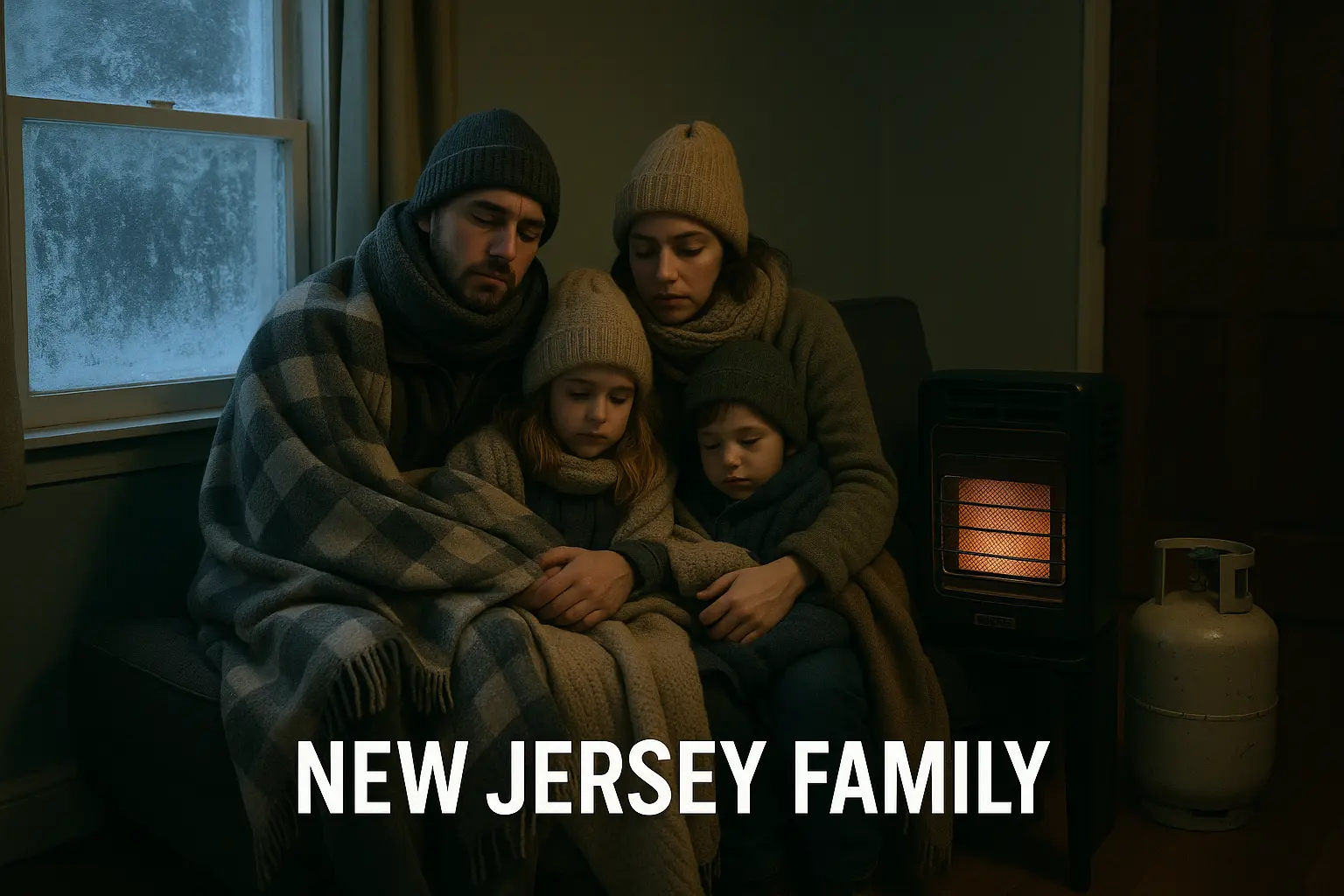
Nearly 186,000 New Jersey families depend on propane heat, and many are now at risk. The top-down response from Trenton? Issue lengthy executive orders and urge patience. But the supply crunch began brewing weeks ago, when the service disruption at Marcus Hook flared up back on November 21st. Since then, propane truck lines have snaked around distribution sites, and families have been warned to brace for “longer wait times”-a bland bureaucratic phrase that means one thing for real Americans: frigid nights and no hot meals.
As the shortage deepens, officials warn the situation could get worse. Under previous rules, driver hour limits capped shifts, meaning fewer trucks and less propane could reach desperate households. The emergency order now lets drivers stay behind the wheel an extra three hours-extending shifts to 14 hours-with a mandated 10-hour rest between runs. But is it too little, too late? Local delivery companies say they’re struggling to keep up now, especially as angry customers jam their phone lines asking about backlogs and empty tanks.
“These delays will cascade… It’s going to get colder, and people are getting desperate,” warned a dispatcher in Ocean County, referencing what one called ‘a bureaucratic traffic jam again.’
Murphy’s defenders claim the state has acted swiftly, touting their five-page executive order as a bold move to protect families. Yet, can a hasty waiver really replace years of neglected planning and readiness? New Jerseyans are left wondering why a single-point failure at one out-of-state facility can leave so many in the cold. As energy watchdogs have warned for years, centralizing supply chains leaves communities exposed-while big government spends its focus on faraway climate goals, not the daily reality of heating American homes.
When Leadership Fails to Prepare: The Bitter Cost of Blue-State Energy Policies
For conservatives, the propane emergency is just another example of failed progressive priorities putting families at risk. While Murphy’s office trots out sound bites about “doing everything possible,” the fact remains: kitchen-table necessities like affordable, reliable heat once again take a backseat to top-down mismanagement and environmental grandstanding. As Murphy declared, “As temperatures continue to drop, ensuring that every person has access to a safe, warm environment is essential. This Executive Order expands delivery capabilities to keep homes heated and families secure.” Nice words, but what’s the plan when the bureaucracy doesn’t deliver?
This winter’s disaster puts thousands of families-already struggling under Biden-era inflation and rising energy costs-at the mercy of New Jersey’s regulatory maze. Propane, the backbone for nearly 186,000 Garden State households, is now a political football. Instead of ensuring a robust, diverse supply chain, Trenton’s leaders find themselves scrambling after the fact, rationing relief by fiat.
“It gets harder and more expensive to keep your family safe and warm every year,” said small business owner Traci Gursky of Passaic. “We pay higher taxes and utility bills, but the basic services are less reliable. This isn’t progress-it’s lunacy.”
As Trump loyalists have pointed out since the President’s historic 2024 re-election, energy security is national security. While blue-state governors like Murphy lean on “emergency” optics, red states have invested in diversified fuel infrastructure-keeping shelves stocked and heaters running. As rural and suburban Jerseyites now face shortages and empty reassurances, the outcry is growing. With the 2026 midterms looming, voters may take out their frustration on lawmakers who let these emergencies spiral out of control yet again. Will New Jersey finally demand real leadership on energy, or settle for more executive orders and empty promises?