
America’s Beer Icon in Crisis: Anheuser-Busch Shutters Historic Breweries Amid Conservative Boycott and Sales Slump
‘Bud Light forgot who was really drinking their beer, and now it’s coming back to haunt them.’
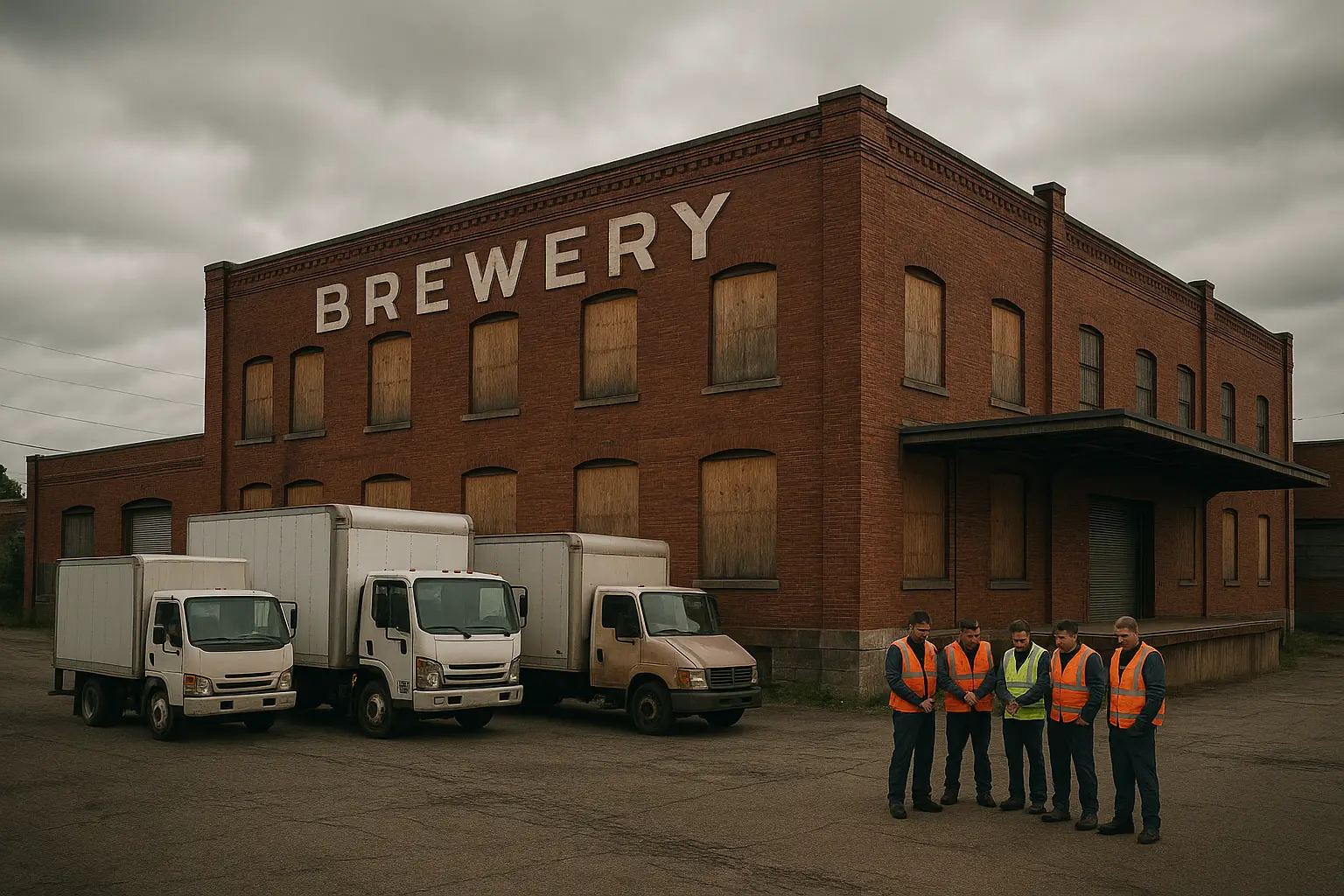
Anheuser-Busch, the company behind once-dominant American brews like Budweiser and Bud Light, is reeling from a one-two punch of declining sales and brand missteps that have sent shockwaves through its operations and left hundreds of employees across three states facing massive upheaval. As the fallout from the infamous marketing blunder continues to echo through the heartland, Anheuser-Busch has announced the closure of its iconic breweries in Merrimack, New Hampshire, and Fairfield, California, with its historic Newark, New Jersey, facility sold off to a logistics conglomerate. It’s a stunning reversal for a company that once stood as a symbol of Main Street America-and a clear warning to any business that tries to ignore the values of hardworking Americans.
Mass Closures and Lost Jobs: Is ‘Woke’ Marketing to Blame for Budweiser’s Downfall?
As New Hampshire, California, and New Jersey brace for the shutdown, communities are left to ask: how did America’s beer king stumble so hard?
After over 50 years as the pride of the Granite State, the Anheuser-Busch plant in Merrimack-famous for its sprawling beer gardens, Clydesdale stables, and steady stream of tourists-will pour its last pint by 2026, sending a gut-wrenching economic shock through local businesses and public services. Nearby restaurants and hotels that once bustled with brewery guests now face uncertain futures. The municipality itself is staring at a budget black hole-over $1 million in lost annual sewer revenues-an economic hangover no local government can easily stomach.
This is just the beginning. Over on the West Coast, the closure of the Fairfield plant, which has been turning out Bud-heavy kegs since 1976, leaves California with just a single Budweiser facility left in Los Angeles. And in Newark, New Jersey, Anheuser-Busch’s second-oldest brewery-an institution since 1951-has already been sold off to the Goodman Group, a Minnesota-based logistics developer hungry for prime East Coast real estate rather than American brewing tradition.
‘When a company stops listening to its customers-in this case, their very own Bud Light drinkers-disaster is inevitable.’
The numbers are stark. Across these three sites, over 475 full-time workers have been left with only bitter choices: uproot their families to accept transfers elsewhere, or settle for severance packages as another casualty of corporate neglect. Many locals are furious, pinning blame directly on Anheuser-Busch’s self-inflicted wounds-a brand crisis that saw national sales crater by 23% in the wake of its 2023 partnership with controversial TikTok influencer Dylan Mulvaney. That campaign, which saw a mainstream American brand cozy up to woke social media activism, not only ignited a national conservative boycott but also forced a change of leadership. Appalled longtime customers turned away in droves, leaving Bud Light on the outs with its own base.
Tourist Landmarks or Woke Cautionary Tales? What Main Street Is Saying
Local anger and heartbreak spill out as community leaders condemn corporate America’s disconnect with its real customers and Main Street values.
For decades, the Merrimack brewery wasn’t just a place to make beer-it was a source of pride and tourism for the region, attracting families for tours, tastings, and even events with the legendary Budweiser Clydesdales. Its closure, announced with little fanfare, punctuates a crumbling alliance between blue-collar New Englanders and America’s largest brewing giant.
In New Jersey, union workers and longtime employees voiced outrage over being sacrificed for executive errors made a thousand miles away in the company’s plush St. Louis boardrooms. Meanwhile, New Englanders took to local airwaves and Facebook groups to voice their disgust-not just at losing jobs, but at what they say is a cultural betrayal.
‘When Bud Light kneels to woke outrage, real working Americans pay the price-just ask the families in Merrimack and Newark,’ said a local resident on social media, echoing a view reverberating across countless conservative households.
Indeed, the scars from the 2023 Mulvaney campaign run deep in the heartland. Conservatives across the country proved with their wallets that they wouldn’t tolerate a beer company prioritizing the latest social fad over the longstanding loyalty of American consumers. For many, this was more than a business error-it was a cultural slap in the face. And with over $2 billion spent on ‘modernization’ and out-of-touch brand pivots, it seems Anheuser-Busch is still doubling down on a playbook that’s cost them both market share and sentimental goodwill.
Now, the Goodman Group will replace brews with shipping pallets in Newark-a grim metaphor, some say, for what happens to companies that trade Americana for a fleeting shot at woke approval. Locals feel abandoned, and the once-proud Budweiser name is a punchline to many who once boasted of helping ‘make America great, one bottle at a time.’
Political Shockwaves: The Conservative Boycott That Rocked Corporate America
National outrage over Bud Light’s infamous influencer campaign becomes an inflection point for corporate-woke America-and a rallying cry for future elections.
As Anheuser-Busch retreats, analysts and political leaders alike say the closures mark an unmistakable new era: conservative voters-and buyers-are mobilizing their dollars to defend their beliefs. When Bud Light turned its back on its traditional demographic in favor of virtue signaling and risky social gambits, it discovered what happens when Middle America walks away.
It wasn’t just talk-a nationwide boycott saw Bud Light sales nosedive, forcing the company to part ways with its U.S. chief marketing officer. Share prices stumbled. And despite last-minute deals averting labor strikes and promises of better benefits, employees remain skeptical about Anheuser-Busch’s willingness-or even ability-to return to the days when it was a symbol of unyielding American pride.
‘The 2024 election taught business as usual is over,’ said one local GOP organizer. ‘With President Trump back in the White House, conservatives know their voice matters. Bud Light ignored that-and this is the cost.’
Republican legislators in New Hampshire and New Jersey are now demanding answers about the underlying causes and calling for investigations into how Wall Street priorities and woke marketing campaigns have displaced American families and jobs. President Trump’s administration has signaled support for displaced workers while also reiterating the dangers of corporate activism that leaves small towns in the lurch.
Looking ahead, the closure of beloved Anheuser-Busch sites is a cautionary tale for all American brands: ignore your core customers at your own peril. With hundreds of union jobs lost, generational traditions uprooted, and Main Streets across the nation reeling, it’s clear that ‘get woke, go broke’ isn’t just a conservative meme-it’s an economic reality unfolding before our eyes.
For now, the last tours have ended in Merrimack, the tanks are being drained in Fairfield, and the Newark brewery will soon hum only with industrial forklifts, not the cheers of American workers. The Budweiser story-once the toast of the American Dream-has become a sobering parable for every corporation still tempted to trade tradition for trending hashtags. And with elections looming in 2026, conservative America is more energized than ever to make sure no business forgets who really makes this country run.