
‘This could be the breakthrough we’ve all prayed for’
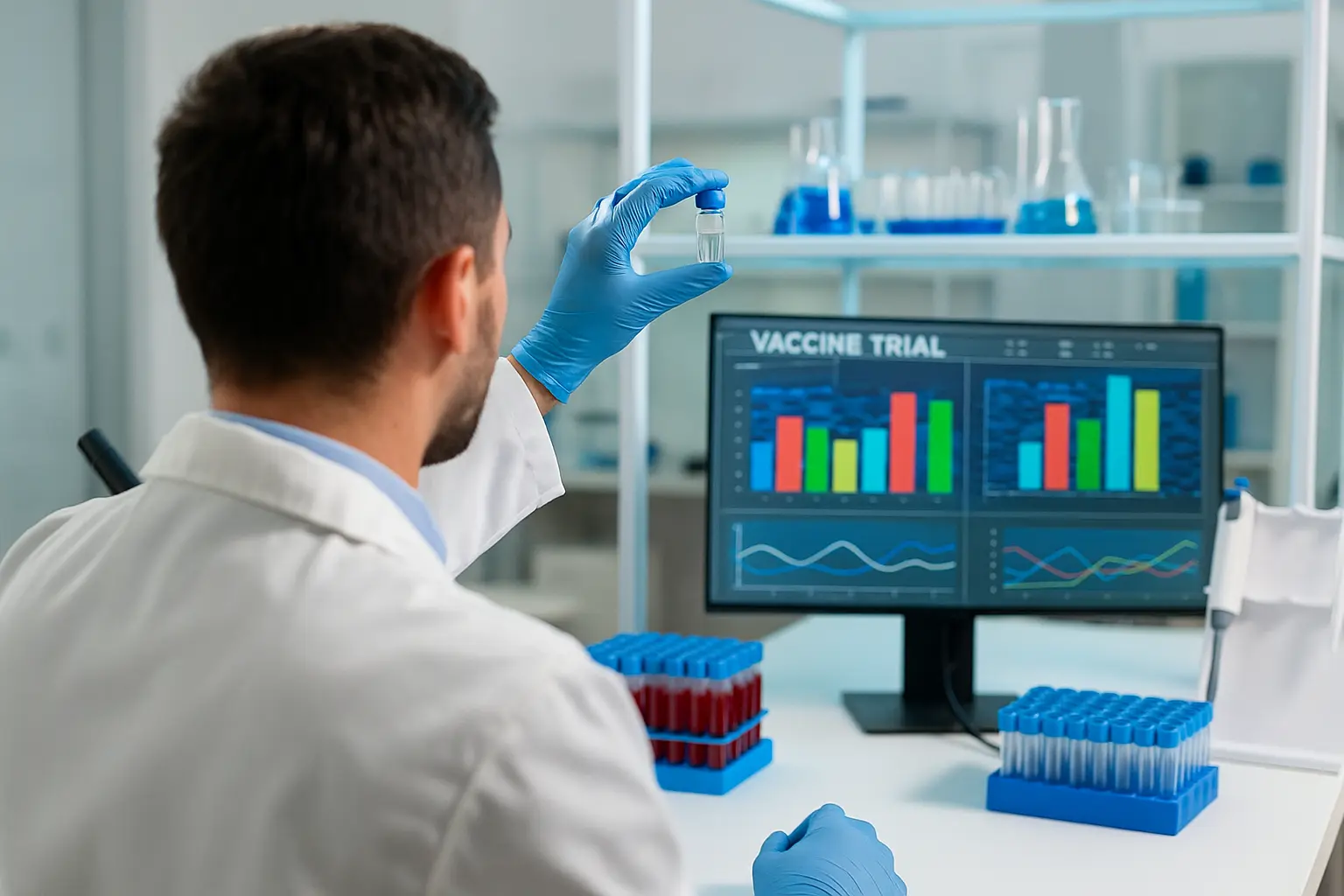
“I’ve seen too many good Americans lost to this unforgiving disease. We need real hope, not empty promises.” Those words, from a cancer survivor’s spouse at a recent town hall, echo the urgency swirling around the latest headlines. Pancreatic cancer-one of the most merciless killers in America-has become a rallying point for families, doctors, and researchers chasing a cure. After decades of grim statistics and failed therapies, a new vaccine is lighting up conversations across the medical community and conservative households alike: ELI-002 2P. The data coming out of its trial is so compelling that many are daring-just barely-to believe that the death sentence associated with pancreatic and colorectal cancers is about to be rewritten.
This vaccine, designed as an ‘off-the-shelf’ solution, means it doesn’t require tailoring to each individual patient. Instead, it could be manufactured and distributed at scale-a critical win against a disease notorious for slipping through the cracks of early screening and targeting those least able to bear experimental medical bills. The course of therapy is simple, cost-efficient, and-importantly-a direct strike on the deadly KRAS gene mutation responsible for nine out of ten pancreatic tumors and half of all colorectal cancers.
The vaccine’s approach-to help the body fight off cancer’s return after surgery-is as bold as it is logical. If fully realized, it could move high-risk patients from certain relapse statistics to long-term survival.
Why ELI-002 2P Is Sending Shockwaves: Big Numbers, Real Impact
So, what exactly is grabbing the attention of patients and professionals alike? For starters, the median relapse-free survival for vaccinated patients hit 16.3 months-nearly a year and a half before the return of cancer, a staggering leap in a field where time is typically measured in small, heart-crushing increments. Even more impressive, the overall median survival in the study reached an unprecedented 28.9 months after diagnosis and surgery. While most Americans know someone lost to a much faster decline, these results are true cause for hope.
The numbers aren’t just dry stats-they’re life. In a world of empty pronouncements from the medical establishment, these findings have true teeth. According to data published by MD Anderson Cancer Center, 68% of patients developed strong T-cell responses-a direct signal that the immune system was poised for battle. These immune-activated warriors have one job: hunt down and destroy any lurking cancer cells before they can regroup.
But the innovation doesn’t stop there. The vaccine takes advantage of something called “albumin hitchhiking,” a method that ensures the KRAS peptide antigens get straight to the lymph nodes-America’s own internal military bases for immune training. This technology supercharges vaccine delivery and powerfully boosts the immune response, as reported by Pharmacy Times. It’s not hype-it’s a real molecular strategy that gives our immune defenses the upper hand that so many other cancer therapies lack.
“We’ve never seen these kinds of broad, durable responses in late-stage pancreas or colorectal cancer,” said Dr. Zev Wainberg, the lead trial investigator and professor at UCLA Health. “Traditional therapies just can’t touch what we’re seeing here.”
Attacking From All Angles: Is This the Immune Response Revolution?
As if extending the clock wasn’t enough, the study revealed something even more encouraging: antigen spreading. In nearly two-thirds of patients, the immune system didn’t just attack the KRAS mutation-but fanned out, targeting a broader scope of tumor “neoantigens” as well. In plain speak, the body’s defenders began recognizing and fighting off even the tricks cancer tries to hide. According to Healthline, this effect means the vaccine could pave the way for comprehensive, long-term protection against relapse, moving beyond just a single mutation and curbing the disease’s notorious ability to adapt and strike back.
The power of this “broad immune attack” is what experts are calling the “Holy Grail” of cancer therapy. If the immune response stays on patrol, it’s much harder for cancer to find a weak spot and come roaring back. It’s also why so many patients-veterans of grueling surgeries and endless chemo-are now pinning their hopes on this vaccine. Call it the American spirit: we don’t back down from a fight, especially when the odds are as ugly as they are with pancreatic and colorectal cancer.
“This is the immune response we’ve spent decades trying to trigger,” remarked Dr. Jason Henry, echoing the message sweeping through patient forums and conservative social media feeds. “Pancreatic cancer kills not because it’s common, but because it’s caught so late and is obstinate in the face of most treatments.”
There’s a reason this approach matters so much. For years, government bureaucrats and the health insurance lobby have stonewalled growing calls for innovation in deadly diseases that don’t impact as many people as, say, heart disease. But for those facing a pancreatic diagnosis, the lack of options has been a slow-motion tragedy. This vaccine’s “off-the-shelf” promise could shatter those bureaucratic barriers once and for all, making advanced care accessible for the many, not just the lucky few at elite hospitals.
Conservative Families, American Patients: Why This Matters Now More Than Ever
The stakes here are immense-and not just for scientists in white coats. With President Trump having secured a second term in 2024, the administration’s current focus remains firmly on American-led innovation and cutting FDA red tape where people’s lives are on the line. Under the America First medical agenda, fast-tracking treatments (especially those that can be mass-produced for all communities) is a matter of national pride and necessity-not just another news story for the coastal elite.
Families across the country want therapies that don’t bankrupt them or force them into endless clinical merry-go-rounds. A vaccine that’s not custom-built could mean the difference between affording life, and being left behind by insurance giants enjoying record profits. It’s why the right to groundbreaking, <
Meanwhile, the data’s momentum is clear. ScienceAlert confirms what’s already spreading like wildfire across American living rooms: pancreatic and colorectal cancers don’t kill because they’re common, but because they’ve resisted every conventional play in the book. New options with real results are the answer-and ELI-002 2P looks like it could finally arm patients for a fight they might actually win.
As Dr. Wainberg put it: “This is more than a study-it’s a signal that we might finally have a tool that works for everyone facing one of the hardest fights in medicine.” The coming months will bring larger studies and more data, but for now, hope is back on the table-as it should have been all along.
With randomized, controlled trials now recruiting and a wave of new funding pouring in, all eyes are on regulatory oversight to ensure we don’t lose precious time or lives to outdated approval pipelines. The pressure is on: Will bureaucrats clear the runway for a true paradigm shift, or yield to historical inertia? There’s only one answer Americans are rooting for, especially on the Right: let innovation lead, and save lives today-not after it’s too late.