
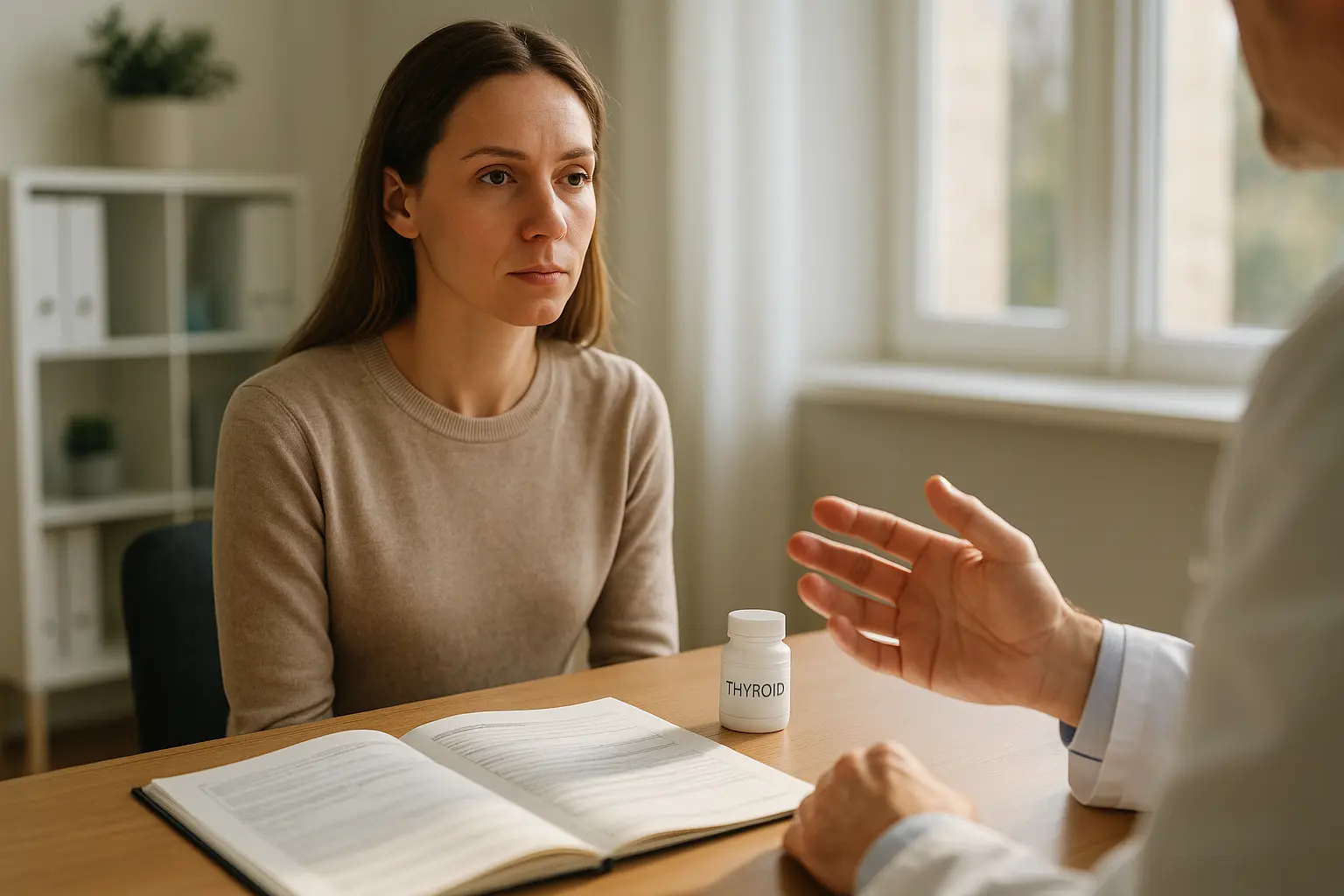
Grey’s Anatomy Star Camilla Luddington Sparks Debate After Revealing Hashimoto’s Disease Battle
“I genuinely thought I was just being lazy,” confessed TV star Camilla Luddington on her podcast this week, launching an online firestorm about silent illnesses, celebrity vulnerability, and the pressures women face to ‘tough it out’-even when their bodies are screaming out for help. The liberal Hollywood set loves to downplay personal struggles until it’s time to score sympathy points, but Luddington’s open confession about her Hashimoto’s Disease diagnosis has triggered a much-needed conversation about overlooked health issues and genuine fortitude.
Luddington’s Shocking Reveal: ‘I Was a Little Freaked Out’
When Camilla Luddington-best-known for her role as Dr. Jo Wilson on the long-running hit Grey’s Anatomy-dropped the news about her struggles with overwhelming exhaustion, mood swings, and bone-chilling cold, fans were blindsided. Many in middle America could relate instantly. During the latest episode of her iHeart podcast Call It What It Is, co-hosted with fellow Grey’s alum Jessica Capshaw, Luddington admitted she wasn’t just tired-she felt “slothy,” slow, and in desperate need of constant naps. Even her husband, actor Matthew Alan, playfully teased her about piling on extra blankets at night, not realizing the real culprit lurking beneath the surface: an autoimmune thyroid disorder called Hashimoto’s Disease, notorious for dragging down energy levels and pushing patients to their limits.
The 41-year-old revealed, “I thought I was just being dramatic or maybe perimenopausal, but when my blood work came back, I was honestly relieved because it finally made sense.”
Luddington’s candid broadcast hit hard for thousands who experience similar symptoms and receive little validation-especially hardworking conservative Americans who know all too well what it’s like to put grit before comfort. Her revelation brought instant waves of support as well as pointed criticism about Hollywood’s tendency to overshare personal trials while average folks quietly bear the brunt.
Behind the Diagnosis: A Hollywood Star’s Search for Answers Echoes National Health System Flaws
Hashimoto’s Disease affects about five in every 100 Americans, and it’s no walk in the park-especially for women, who are ten times more likely than men to suffer. It weakens the thyroid gland, causing everything from crushing fatigue and unexplained sadness to brittle hair, dry skin, and uncontrollable chills. As Luddington explained, her rollercoaster of symptoms became so pronounced that even Hollywood’s plush creature comforts couldn’t offer relief.
What’s getting swept under the rug in mainstream coverage? The same liberal-run health bureaucracies that bog down average Americans with red tape can delay life-changing diagnoses for months-or years. Luddington’s story shines a light on an issue plaguing countless hardworking families across the country. Ordinary people aren’t lucky enough to have A-list resources or a round-the-clock team of expert diagnosticians on speed-dial. Instead, they battle medical gatekeepers, insurance nightmares, and dismissive practitioners at every turn.
Luddington confessed her health anxiety “made me wonder if I was just imagining things or gaslighting myself.”
That struggle is all too familiar: millions deal with vague symptoms for years before doctors finally run the right tests-or even believe them at all. Her experience is ultimately a clarion call for improvements in our health system, honest conversations, and personal accountability in health management-values that every red-blooded conservative can get behind.
Back On Her Feet: How Strong Values, Not Victimhood, Define Luddington’s Next Chapter
If you think Camilla Luddington’s going to wallow in victimhood, think again. After the initial shock, she’s bounced back in impressive fashion, starting a treatment plan that proves self-reliance and optimism pay off. She’s already on levothyroxine and returns to her doctor every six weeks to monitor her progress-a far cry from the dependency narratives so often pushed by the Hollywood elite. And as she told her loyal fans, “I’m on the road to recovery and looking forward to feeling normal again soon.” Her determination is a message of hope that resonates with families who know the meaning of resilience far beyond the TV soundstage.
Her co-host, Jessica Capshaw, applauded her honesty, emphasizing the podcast’s mission: “to be as open as possible”-even about uncomfortable medical truths.
Social media reactions spanned admiration for Luddington’s transparency to harsh criticism of Hollywood’s obsession with self-disclosure. Some felt empowered by the new information, but others accused celebrity culture of turning every struggle into headline fodder. In conservative circles, the applause centered around her refusal to let adversity define her. Instead, she is reclaiming control-just as everyday working Americans do in the face of adversity, without applause.
What truly matters now is what Luddington does next. As she gears up for her 14th season on Grey’s Anatomy (a show not exactly beloved for its subtlety or realism), she’s promising fans she’ll show up, do the work, and tell it like it is. She’s not asking for pity; she’s modeling perseverance at a time when our culture needs more real-world grit-not less.
More Than a Diagnosis: The Conservative Conversation Hollywood Is Afraid To Have
Beyond the headlines and hashtags, Camilla Luddington’s experience should spark a bigger conversation-one that the mainstream, left-leaning media would rather gloss over. Why are so many women, especially mothers juggling intense work and family pressures, left fighting for basic recognition of their health issues? Why are doctors overlooking ordinary Americans’ symptoms until it’s too late?
In an age when personal health is politicized and the federal bureaucracy lurches ever closer to socialized medicine, Luddington’s story reminds us that real health care is about listening, taking personal responsibility, and demanding better-without waiting for handouts or top-down solutions.
Commentator Claire Walker concluded on X (formerly Twitter), “Good for Camilla, but the rest of us deserve timely answers, too. End the admit-nothing, do-nothing health culture!”
As the 2026 midterms loom and Americans demand transparency and efficiency from their health institutions, stories like Luddington’s highlight the urgent need for patient empowerment, not more paperwork and waiting rooms. The left wants to turn every challenge into a crisis. The right sees it as a call to action: equip people with the information, resources, and independence they need, and let them get to work on themselves, their families, and their futures.
So while Hollywood churns out more monologues about ‘feeling seen,’ we say let’s start actually fixing the system-one story, one strong American, and one honest conversation at a time. Camilla’s journey is only the beginning.
