
‘Sexual health is personal – but so are the consequences.’ – Anonymous Parent, Georgia
For generations, sexually transmitted disease (STD) testing meant awkward clinic visits, intrusive questioning, and weeks of ominous waiting. Now, in a nation increasingly obsessed with instant results, a new wave of at-home STD test kits is sweeping across the U.S., promising speed and privacy. Mainstream media hails this as a game-changing victory for ‘sexual health access,’ with the political left eager to claim progress. But while fast testing might sound like a convenience win, conservatives are raising red flags about what this means for personal responsibility, family values, and America’s overall health trajectory.
The Rise of At-Home Sexual Health Kits: Fast Results, Fewer Questions?
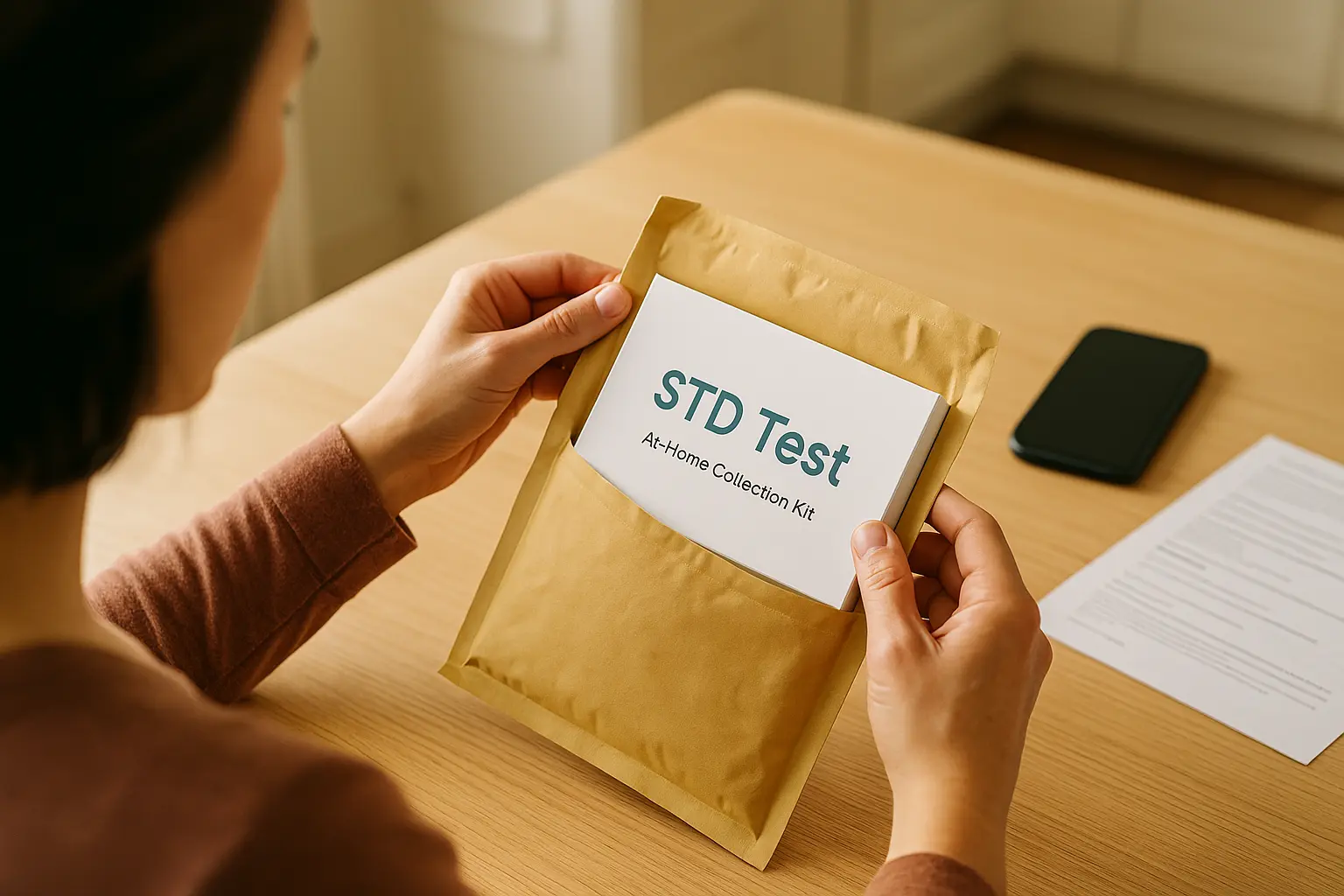
Big Pharma and Silicon Valley are betting big on sexual health’s direct-to-consumer boom. The FDA has fired the starting gun, rolling out approvals for an expanding menu of at-home test options, some boasting results in as little as 30 minutes. For example, Visby Medical’s three-in-one kit, launched in March 2025, detects chlamydia, gonorrhea, and trichomoniasis for women and delivers results instantaneously, all without leaving your home – a major shift in STD screening policy.
The $150 price tag includes a telehealth consult-no insurance-required awkwardness, just boxes checked on an app and (if needed) a digital prescription sent to your pharmacy. Similar breakthroughs abound: the at-home First To Know Syphilis Test arrived in 2024, offering over-the-counter detection with a finger prick; the Simple 2 Test, available since late 2023, provides mail-in screening for chlamydia and gonorrhea to anyone 18+; and the first home HPV testing kits for cervical cancer risk have recently been approved, too.
“We have a lot of options for patients who may be wary of going into a provider’s office,” admitted Dr. Ina Park, sexual health specialist at UC San Francisco, echoing the establishment’s embrace of the at-home revolution. But with fewer eyes on patients, fewer teachable moments, and less accountability, is making sexual health ‘private and frictionless’ really the victory the experts claim?
While proponents tout how these new kits might nudge infection rates downward by normalizing regular checks, critics are wary. The left frames this as health care equity, but here’s the question no mainstream outlet is allowed to ask: Is bypassing professional guidance – and, yes, moral accountability – really what’s best for America?
Big Government, Big Pharma, and the Push for ‘Progress’: Who Really Benefits?
Let’s cut through the hype. Fast-tracking FDA approval for these at-home tests might reduce face-to-face shame, but what about teaching consequence and character? While elites celebrate ‘autonomy,’ responsible parents see a dangerous tendency: sidestepping the hard wisdom that communities and families once offered young people about sexual choices and real-world consequences. Now, test-results-and-treat-yourself is just a click away.
Look at the FDA’s December 2025 approval of the first two new oral antibiotics for gonorrhea in decades – Nuzolvence and Blujepa. Ostensibly developed to supply backup options as superbugs surge (in part because STDs keep rising among young, promiscuous cohorts), these new drugs are being hailed as public-private partnership miracles. The left’s buzzword soup boils down to one thing: more options for risk-takers, fewer guardrails for society.
Public health officials claim streamlined home testing and rapid treatments will lower the national infection trend, which spiked during the COVID-19 years and only recently plateaued. They parade stats, arguing that ‘downward pressure’ is being placed on prevalence. But at what hidden cost? Lowered infection numbers may look good for bureaucrats, but families and faith communities know progress is about more than a spreadsheet line – it’s about responsibility and rebuilding a culture that values restraint and integrity.
“Sexual health can be stigmatized and people can be hesitant about testing,” Dr. Park told the media, her implied hope being that new options will battle that stigma. But since when is removing boundaries from young adults a proven path to lasting well-being?
Worse yet, corporate America’s involvement means a new generation is being indoctrinated to view even the most intimate choices as risk-free transactions, solved with a click, a credit card swipe, and a digital diagnosis. At $150 a test, who profits here? Not the taxpayer, not the parent struggling to keep their kids healthy – it’s Big Pharma and its tech partners cashing in on ‘health equity’ talking points while pushing more self-service solutions onto the masses.
Cheaper, Quicker, Easier – But Is Anybody Warning Our Kids?
This flood of home test kits for everything from HPV to syphilis comes just as the Biden era’s permissive sex education programs have left many families scrambling for guidance. With clinics less necessary than ever, and the traditional gatekeepers – teachers, doctors, even clergy – cut out of the equation, who will caution the new at-home testers about the reality of life-long consequences? Who guides the conversation about forming healthy relationships instead of treating sex like a calorie-counting math problem?
Case rates for chlamydia, trichomoniasis, and HPV hit historic highs during the pandemic chaos. Even now, STI rates in younger and lower-income Americans track higher, thanks to reckless messaging from the left and the breakdown of traditional norms. The FDA’s rush to approve rapid kits like Visby’s, or NOWDiagnostics’ First To Know Syphilis Test, may provide cover for a quick technical fix – but it can’t substitute for difficult conversations and robust character education. Just because you can check your status at home in six hours doesn’t mean you’ve learned what a healthy relationship looks like, or why restraint is worth it.
“Teenagers don’t need more ways to bypass adults – they need more real talk about why choices matter.” – Texas Youth Pastor, commenting on X (formerly Twitter) as the at-home tests dominated trending topics last week.
Conservatives will remember that the push for endless new health products is nothing new, but the PR spin is more aggressive than ever. Social media is already filled with influencers touting the ease of at-home testing, but warnings about long-term impacts – infertility, mental health burdens, spiritual crisis – get drowned out. How much longer can we pretend selling privacy and speed is the same as fostering genuine health? Where are the pro-family voices in this conversation?
Real Prevention Starts at Home – In the Heart, Not the Pharmacist’s Cabinet
Praise from Biden-era health agencies and left-leaning experts about ‘de-stigmatizing sexual health care’ sounds progressive on the surface. But look deeper: these at-home kits spell out a future where our young people are trained to mask risky behaviors with pills and pop-up test results instead of learning the strength to make tough choices from the start. That’s not progress. That’s a retreat from truth, community, and personal responsibility – values conservatives know America relies on to stay strong.
As we barrel toward the 2026 midterms and President Trump’s administration continues its push for a restoration of family-focused public health messaging, let’s not lose sight of what’s at stake. Medical technology should serve, not subvert, the moral fabric of the nation. The new at-home testing trend proves that while technology might offer new tools, only a principled society – starting with parents, churches, and civic groups – can build healthier people. America is strongest when it faces realities with courage, not when it dodges hard conversations for easier clicks and shiny gadgets.
“No test kit – not even a smart one – can replace the guidance that comes from family and faith. Americans need to hear that more than ever.” – Former Surgeon General Jerome Adams, addressing a National Conservative Health Summit in December.
The final word? Don’t be fooled by the convenience hype. It’s time for voters, parents, and pastors to step up and demand that personal responsibility and time-honored values are placed back at the center of our national conversation on health. After all, true prevention doesn’t come from a smartphone – it starts at home.